



Mental health is public health. That belief drives much of the work at the Shelby County Health Department – and it’s central to HIV prevention, care, and healing. In this conversation, Dr. Michelle Taylor, Director of the Shelby County Health Department, sits down with Memphis native Dr. Justin K. Dodson, a licensed professional counselor, educator, and author. Dr. Dodson has years of experience working with people living with HIV, particularly within the Black and LGBTQ+ communities. Together, they explore how emotional wellness, stigma, and access to affirming care all intersect in our shared push for health equity – and how you can take steps toward support.
As a reminder, therapy isn’t just for moments of crisis. It’s a proactive way to care for your mental and emotional well-being. Whether you’re living with HIV, navigating identity, or simply feeling overwhelmed, talking to a mental health professional can be a powerful step toward clarity and connection.
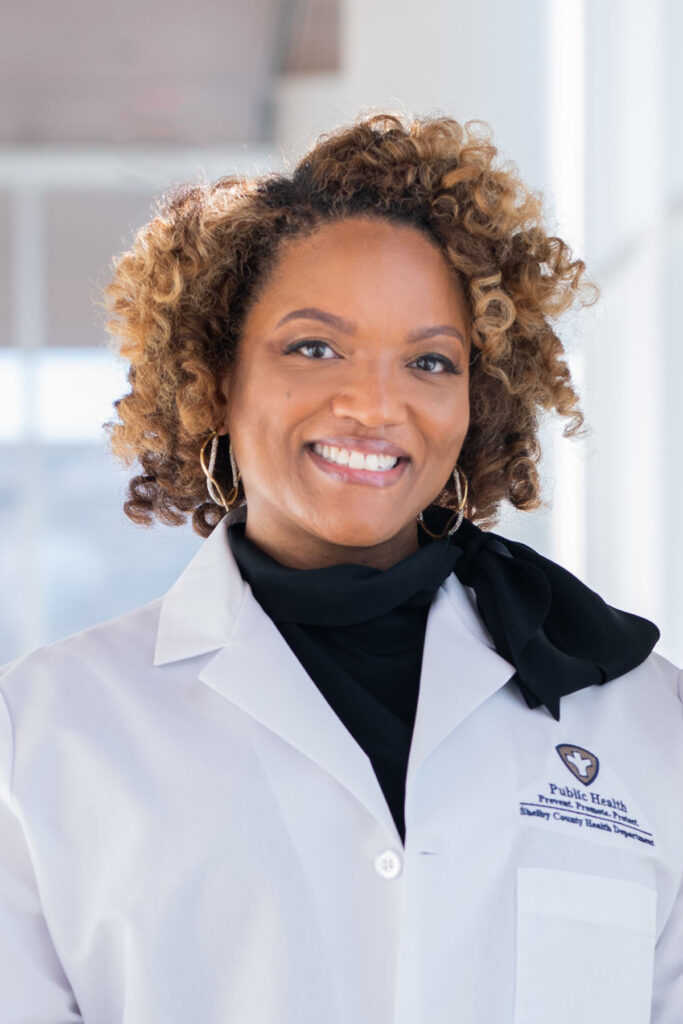
Dr. Taylor: When we talk about HIV care, mental health isn’t always front and center. From your perspective, why is mental health a key part of HIV prevention and treatment?
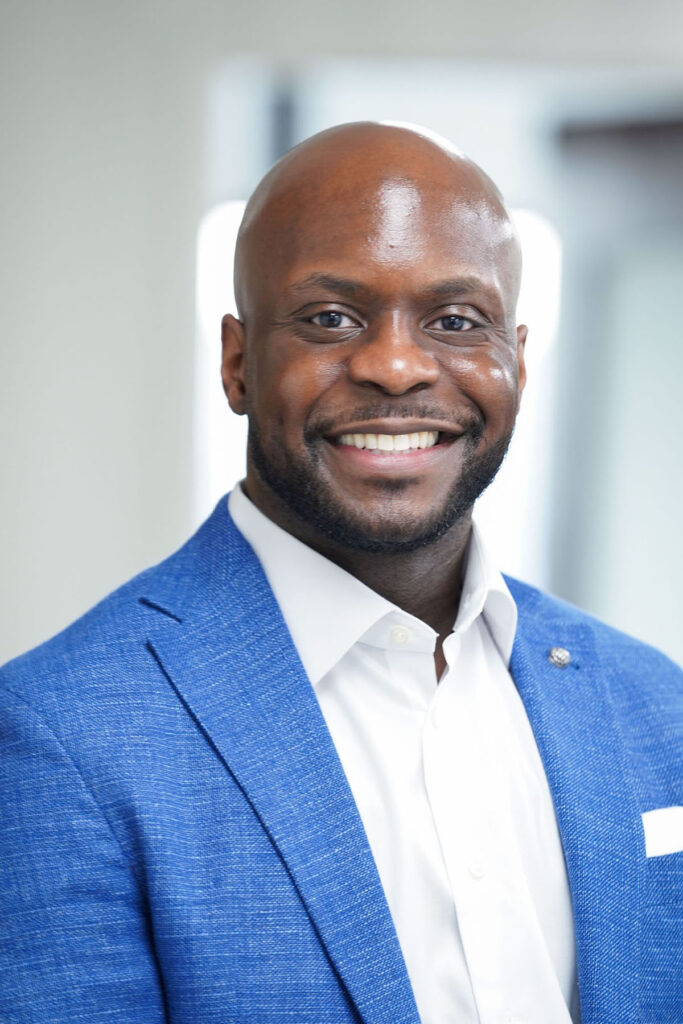
Dr. Dodson: Mental health shapes how we see ourselves and how we move through the world. For many people living with HIV, the diagnosis isn’t the only thing they’re dealing with. There’s often fear, stigma, isolation, or shame – especially in communities where HIV still isn’t talked about openly, or where queerness and sexuality are treated like secrets or sins.
If we don’t name and address those emotional weights, we miss a huge part of care. Real public health means seeing the whole person… not just the physical body, but the heart, mind, and soul.
Dr. Taylor: That holistic view is so important. At the Shelby County Health Department, we know that health outcomes are deeply influenced by mental, emotional, and social factors. When someone is dealing with trauma, stigma, or chronic stress, it impacts how they engage with care, how they follow treatment plans, and how they view themselves. In your work, what patterns do you see when trauma and mental health show up in connection with HIV?
Dr. Dodson: A lot of humans come into care already carrying trauma: things like rejection, racism, abuse, or fear around being their full selves. And that can absolutely shape how someone responds to an HIV diagnosis or even whether they feel safe getting tested at all.
Sometimes people avoid healthcare not because they don’t want help, but because deep down, they don’t feel worthy of being cared for. That’s why mental health support isn’t optional – it’s essential. When it’s left out, silence and shame grow.
Dr. Taylor: As a public health department, we work hard to build systems of care that are equitable and welcoming, but we also know that trust is earned, especially in communities that have experienced harm or neglect in the past. What should people look for in a provider or support system they can trust?
Dr. Dodson: First, know that you deserve respectful, nonjudgmental care. That’s the baseline. If you walk into a clinic or speak to a provider and don’t feel heard or seen, trust that feeling. A provider should make space for your questions, explain things clearly, and ask about your mental health, not just your labs or medication.
Look for care that’s trauma-informed or LGBTQ+-affirming, as many clinics now include that language in their services. That means they’re trying to create safe, welcoming spaces. You can also ask if they’ve worked with people living with HIV before. That experience can make a difference.
And remember, it’s okay to switch providers if one doesn’t feel right. This is your care. You have a right to feel supported in your journey.
Dr. Taylor: What would you say to someone who’s struggling mentally but unsure about reaching out for help?
Dr. Dodson: First, I’d say: it’s okay to feel unsure. That hesitation is human, and you’re not the only one feeling it. The first step doesn’t have to be a big one. Even just naming what you’re feeling out loud or in a journal can be a powerful start.
When you’re ready, there are resources that can meet you with compassion. The Tennessee Mental Health Helpline at (800) 560-5767 is available to talk through your options. You can also text HOME to 741741 for free support from the Crisis Text Line. Here in Memphis, NAMI Memphis offers mental health referrals and support groups, many of them at low or no cost. And if you’re living with HIV, the Ryan White Program through the Shelby County Health Department offers counseling and mental health services as part of your care.
You don’t have to figure it out all at once. You just have to know you’re not alone, and that help is real and reachable.
Dr. Taylor: It’s so important to talk openly about what affirming care really looks like. As we continue working for more equity in healthcare, what’s one thing you want readers to take away from this conversation?
Dr. Dodson: That healing is possible, and you deserve it. HIV doesn’t define you. Mental health challenges don’t define you. And you don’t have to go through any of it by yourself.
When we connect HIV care with mental health, we create space for people to move beyond survival and toward joy, wholeness, and connection. You are worthy of care that honors every part of who you are.
Dr. Taylor: To our readers: if you are living with HIV, navigating your mental health, or simply unsure where to turn, please know that the Shelby County Health Department is here for you.
We are committed to care that is compassionate, affirming, and accessible to all – especially for communities who have too often felt left out or unseen. Through programs like Ryan White and our community health initiatives, we’re working every day to meet you where you are, with the support you deserve.
Your health matters. Your voice matters. And we see you.

For more information about mental health and HIV services through the Shelby County Health Department, visit shelbytnhealth.com or call (901) 222-9000.

