


by Tricia Dewey
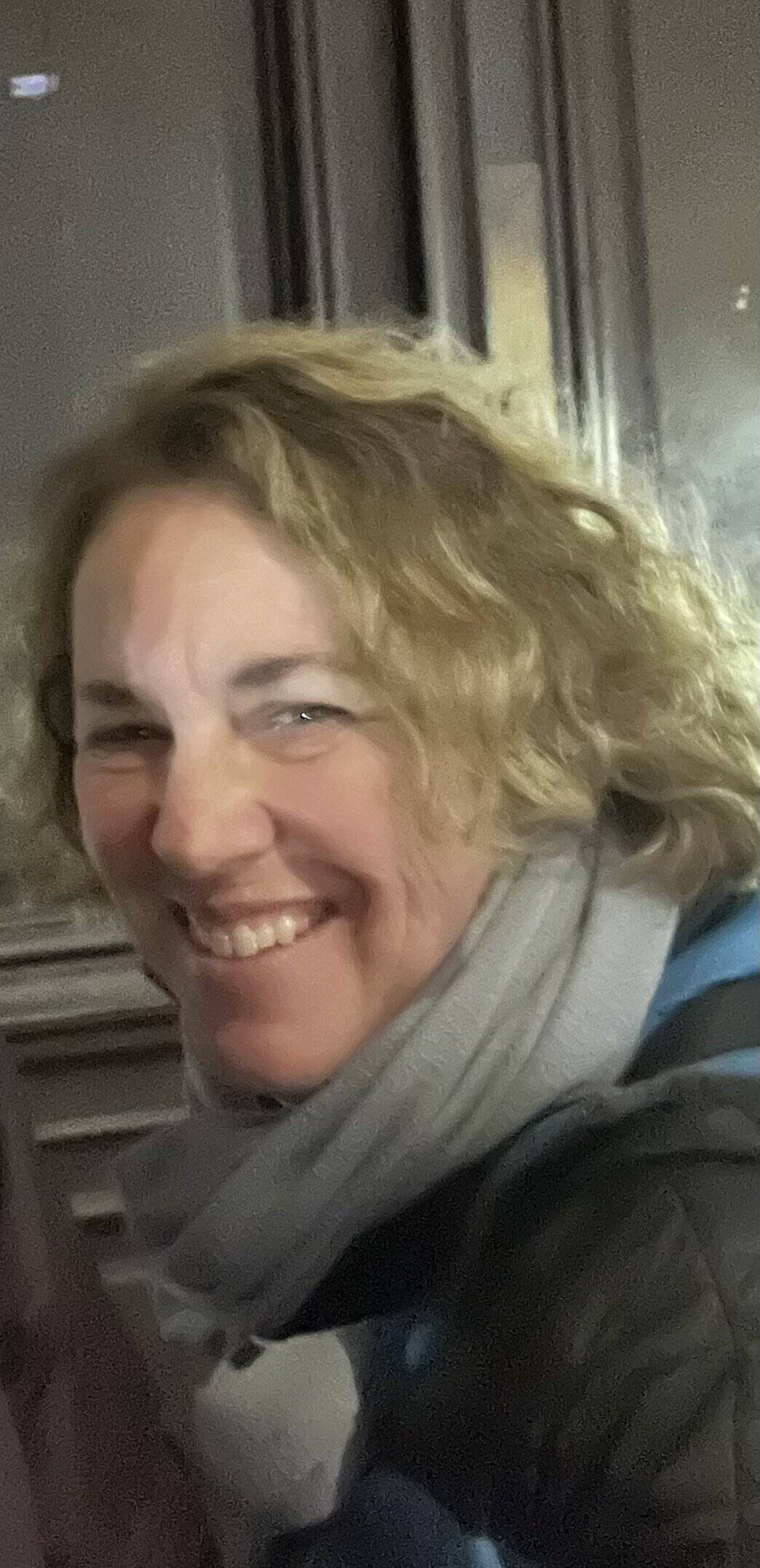
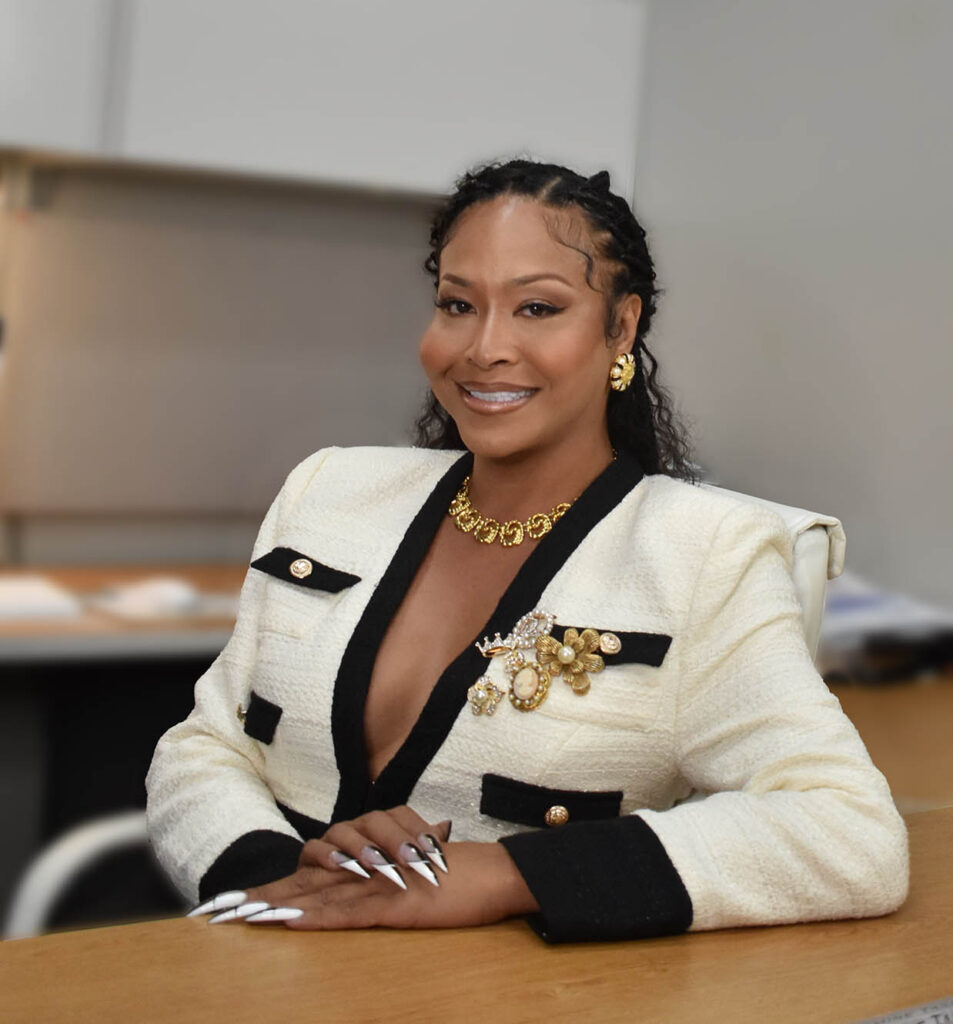
Jasmine Tasaki, executive director of WeCare TN, has entered her change era. She is ready to change systems, minds, and directions from oppression to abundance by working with WeCare TN programs and on events such as the first-ever Southern Trans Celebration scheduled for September 18–20, 2025. Since 2017, Tasaki says WeCare TN has impacted the trans community with its programs to empower and improve the lives of transgender women.
Tasaki describes the inaugural Southern Trans Celebration as a baby initiative, a celebration birthed between herself, Kayla Gore at My Sistah’s House, and Tamesha Pruett at OUTMemphis: “Three Black trans women that just saw a need for trans people to have a space to be celebrated here in Memphis. There is such a large trans community in the country, but we are also at a time when we feel unsafe to be seen and to come out and we want to be like, fuck that, we’re here. We have busloads of trans people coming from other cities to help us celebrate.”
Tasaki continues, “We are so excited because oftentimes as trans people who start organizations or who work for other organizations we are put against each other because the funding—it was already a small pool of funding. But now because of the government cutting the HIV prevention and treatment dollars, the funding is even smaller. So at a time when people could be fighting for funding, at a time when we could be being catty and coming against each other to try to get this funding, we are actually working together. We’re creating a space where people can come far and near to Memphis to celebrate who they are, and also to show our city that we are not going anywhere. To show our elected officials that we are not going anywhere. To show them that we vote, we matter, we deserve respect, we deserve the same rights and treatment as everybody else.”
And she concludes, “But then there’s a piece that no one ever thinks about. That’s equity. We have lost so much as a community, and have had so much taken away from us, and experienced so much violence that we are owed a little bit more than some other people. And we’re going to be taking that back at the Southern Trans Celebration.”
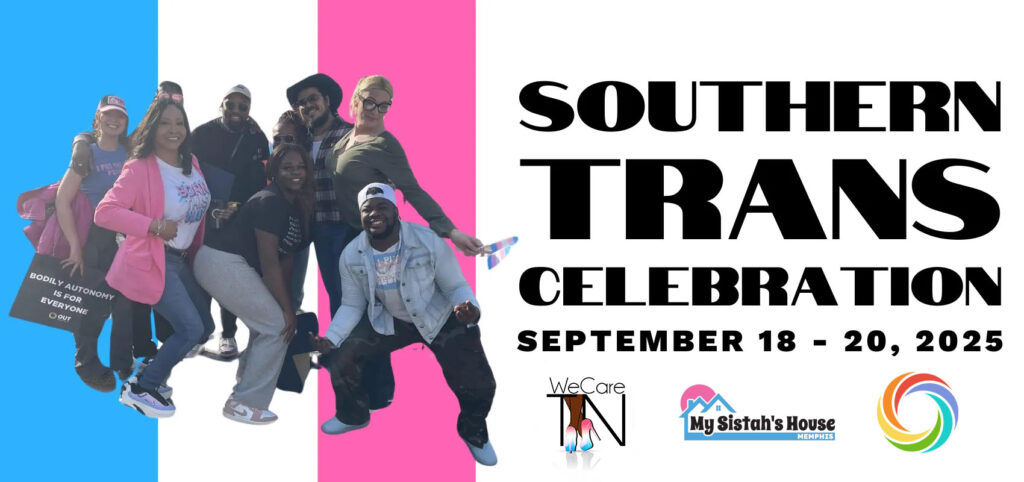
Plans for the event include a rally of all the trans advocates from out of town, along with the local Memphis trans advocates. There will also be a Leadership Summit for people that work in the trans community to strategize around professional development, law and legislation, and joy. The weekend will conclude with the People’s Picnic at St. Colomba, which WeCare TN is hosting. That will be a celebration for family with entertainment from transgender artists, transgender musicians, and transgender drag performers. There will also be games, waterslides, and food trucks, all attended by the organizations in the city that provide services to transgender people. Tasaki notes, “It’s just going to be a great celebration and a time for us to experience some joy.”
When they are not planning for this major celebration, staff members at WeCare TN provide a variety of services to trans women of color through education and empowerment, bringing them equity and improved quality of life. The vision of WeCare TN is to empower the lives of transgender people in the Mid-South with self-care and development tools that build sustainable self-advocacy for their personal and professional goals through programs and services that include the Emergency Crisis Fund and Our Clothes Closet.
Tasaki describes another program, Transpro, as one that assists with job readiness with a focus on harm reduction and healing justice. Transpro is specifically for Black transgender women who do sex work and use drugs, and it is led by a Black transgender woman who does sex work and uses drugs. Active Living Openly Trans (ALOT) is a life skills program that focuses on self-care and self-healing through awareness and therapy. CORE is a program that works to break down stigma around trans women of color and to build self-esteem to empower trans women through sessions that raise awareness around harm reduction, stabilize job security, provide financial literacy, and help survivors heal from trauma.
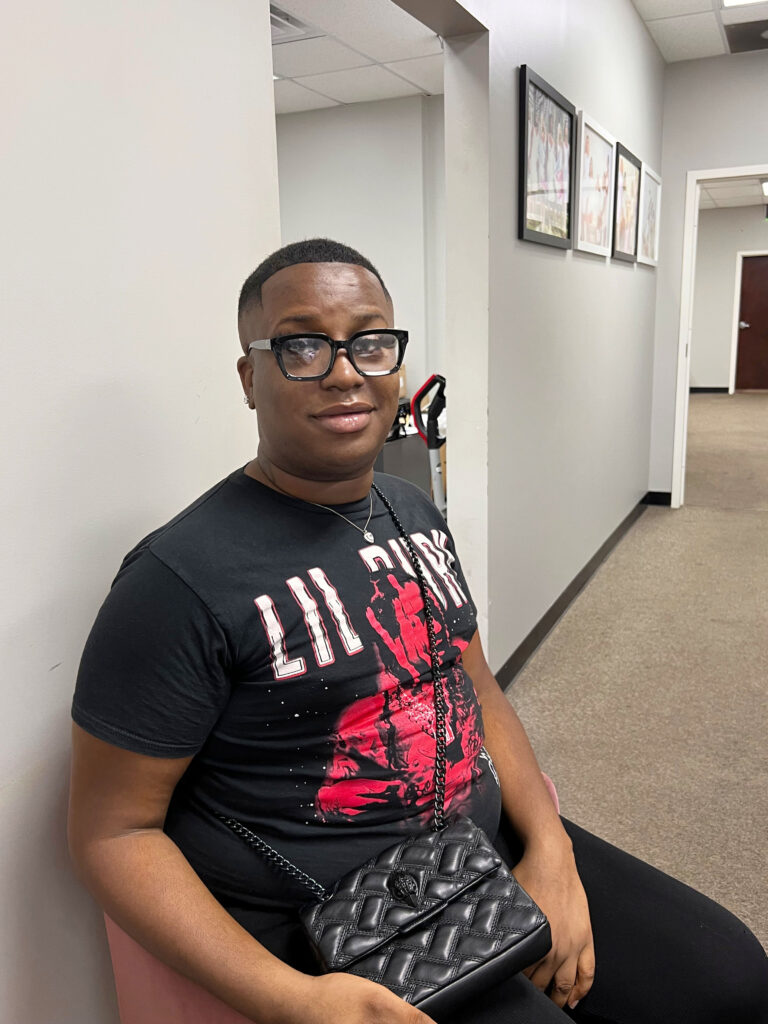
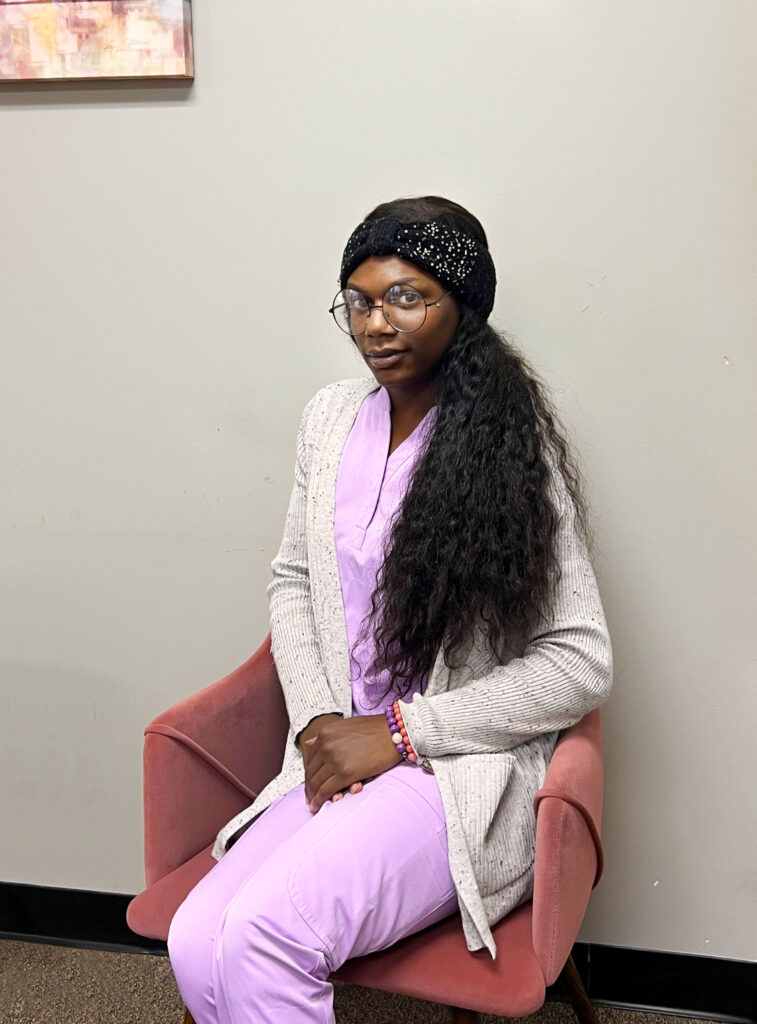
WeCare TN also has apprenticeship programs where participants can seek employment. Eighty-five percent of those who gain experience in the programs go on to get hired. The organization provides transportation stipends when needed, as well as PrEP (pre-exposure prophylaxis) and PEP (post-exposure prophylaxis) referrals for the prevention and treatment of HIV. They provide safe sex and safe drug use supplies, including hygiene kits, condoms, and clean crack pipes. WeCare has a needle exchange program where they collect old needles and give out new ones. Another program is GalPALS, where staff communicate and support people who are currently incarcerated and of trans experience.
All of these programs, Tasaki says, have probably impacted about 100,000 people since their inception. “Between our surveys, our services, and our events we support Black trans women who do sex work and the communities around them, so that means everybody. And that’s kind of our thing, right? Everyone knows a Black transgender woman who does sex work and uses drugs in your community. You may not know it because they may not feel comfortable proclaiming that, but what we’re trying to do is normalize that. So if a Black transgender woman who does sex work and uses drugs has kids or has family that needs clothes, they can come receive those clothes. Our programs are specifically for transgender people, non-binary people, and some of our programs are for the larger LGBTQIA community. We focus on Black and Brown trans folks, but we do not turn people away.”
Transpeak is a political education program based on community conversations around COVID-19 and personal and professional development. Project USE is a partnership with Gilead, ViiV, and the University of Memphis, which was a nationwide strategy led by Black transgender leaders with sex work and drug use experience. Tasaki explained, “We created a needs assessment for our community to see not only what the community needs but what leaders who do sex work and use drugs need to truly continue to serve the community. We did that through the needs assessment and we came up with the strategy. We engaged 30 transgender and non-binary leaders across the country to disseminate their strategy so that we can all create a standard of care.”
Tasaki’s life experiences inform her work, but she says, “There’s so much more than my trauma to talk about. I think the last time I was interviewed for Focus [2019], I was coming out of a traumatic place. I have been experiencing trauma my whole life. But during that time I was under a new awareness of self, where I wanted to do something about my trauma, to find something to do to heal. And that’s what started WeCare TN. When I say there’s so much more to talk about than my trauma in me doing this work, I realize that there are so many stories, so many traumatic stories, and also so many beautiful stories that need to be amplified, people that need to be helped and heard. The work that I do at WeCare TN really is informed by removing myself. This work isn’t just about people who had that same experience but very much so about people who had a different experience. While I do honor my trauma and everything I’ve been through, I found that to do this work in the most impactful and ethical way, I must remove my own trauma from the equation. I have to meet people where they are and I never want to make someone else’s experience or their journey about me. I care to serve others.”
When continuing to talk about her work, Tasaki said, “Of course [my experience] gives me that level of trust with the community because I have similar experiences. But what helps them trust me even more is when I can say, hey, I don’t know that experience, can you tell me more? You pull me into what you have gone through. It really makes me the listener more so than the person who is telling them what they should do, or saying what they are doing isn’t good enough. I have really worked hard to not be a person that does that, and to have my team and my organization align with that so that we all are nonjudgmental. We work from a harm reduction lens. That’s just about providing a space for people to exercise their own autonomy—to say what makes them feel good, to say what makes them feel safe, to say I’m proud to use drugs, I’m proud to do sex work. I’m still a human being. So many of the experiences I had as a person who uses drugs, as a person who does sex work, informed this work, but actually doing the work, other people’s experiences help me to make my work impactful.”
Tasaki addressed the current attack on transgender youth, saying that attacking youth is mainly a way to gradually attack adults. “Most people who are transgender often begin to identify at a younger age, and I think that the government feels if they can control the amount of youth that transition, they can control the amount of adult transgender people that are in existence. So I think it’s a larger plan. While I hate that the youth are under attack, I understand that attacking the youth is a part of a larger plan to attack transgender people who are adults.”
She says the larger plan also includes an attack on the broader LGBTQIA community. “The sad part is if you cancel out the transgender people, the LGBTQ people will follow. All the other members of the community will also be canceled out because what we often say here at WeCare is if you take care of Black trans women, you’re taking care of everybody because we are the most marginalized. So if people just take their time to the issues that Black transgender women go through, then those other issues will be addressed, because people’s level of awareness and their ability to be empathetic will be more likely than it will be if they just wash their hands with the issues of Black transgender women.”
Although times are rough right now for her community, she and WeCare TN are still fighting. “For us at WeCare we are an organization primarily made up of Black transgender women who do sex work and use drugs, and we’ve always been vilified and demonized. We’ve been through a long list of shitty presidents, so this isn’t anything new. But the level of hate is new, and it’s at an all-time high because we’ve never had anti-trans legislation in place. I’m somebody that transitioned in 1996 when I was 13 years old. In the 90s the word ‘transgender’ didn’t even exist. The word ‘transsexual’ existed. In those days if you were able to move and navigate through different systems, you were okay because there weren’t any laws to say, no, you can’t accept her. Now we have all these laws that are telling people that they should not align with us. They should not support us. They shouldn’t love us, and not only do you have that for people who aren’t even thinking about trans people, the legislation points to say “don’t love them,” “don’t support them,” “don’t align with them.” You have the haters that have always been in place, but now this solidifies their actions. They can say, hey, it’s the law. So we are in a really different place. But we are not going to be defeated. We are not sad about it. We are aware and we are alarmed. But we will thrive and we will have liberation.” Everyone on the WeCare TN staff agrees—it is joyous work full of love.

