


by Tricia Dewey
Art, gardens, and parties have been part of the corner of Park Avenue and Cherry Road since the 1940s. For the past 50 years, generations of Memphians have been able to share in that legacy through the Dixon Gallery and Gardens, which officially opened to the public in 1976.
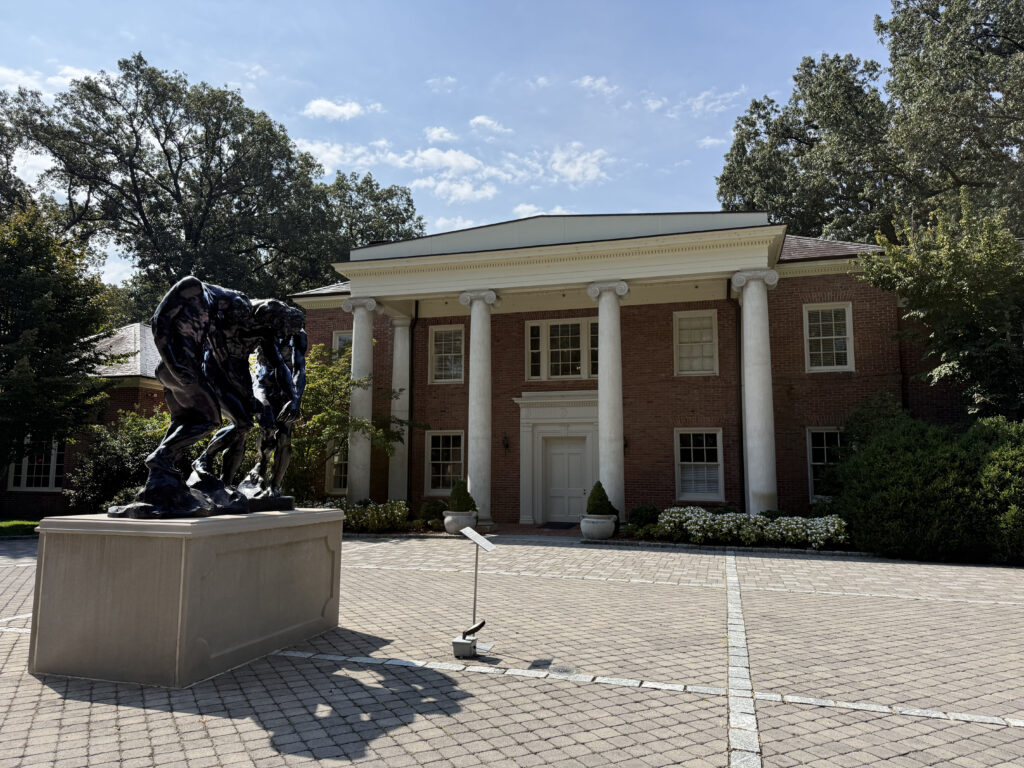
The story began decades earlier, in 1939, when Margaret Oates Dixon and Hugo Norton Dixon purchased 17 acres at the corner of Park Avenue and Cherry Road. Their love of art, gardens, entertaining, and Memphis would eventually create one of the city’s most beloved cultural institutions.
The Dixons
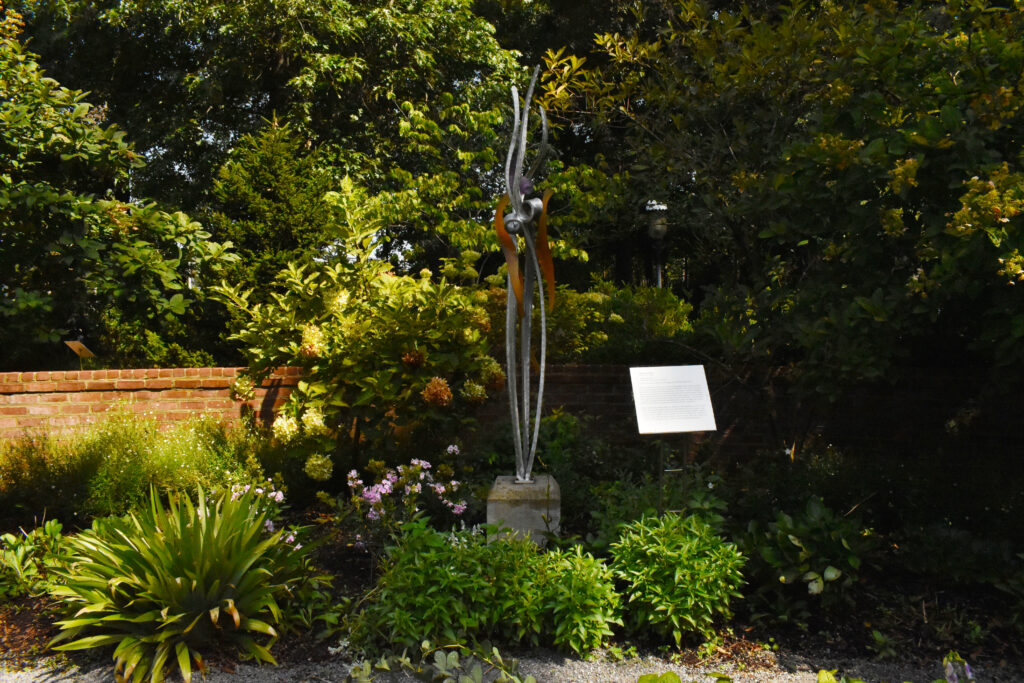
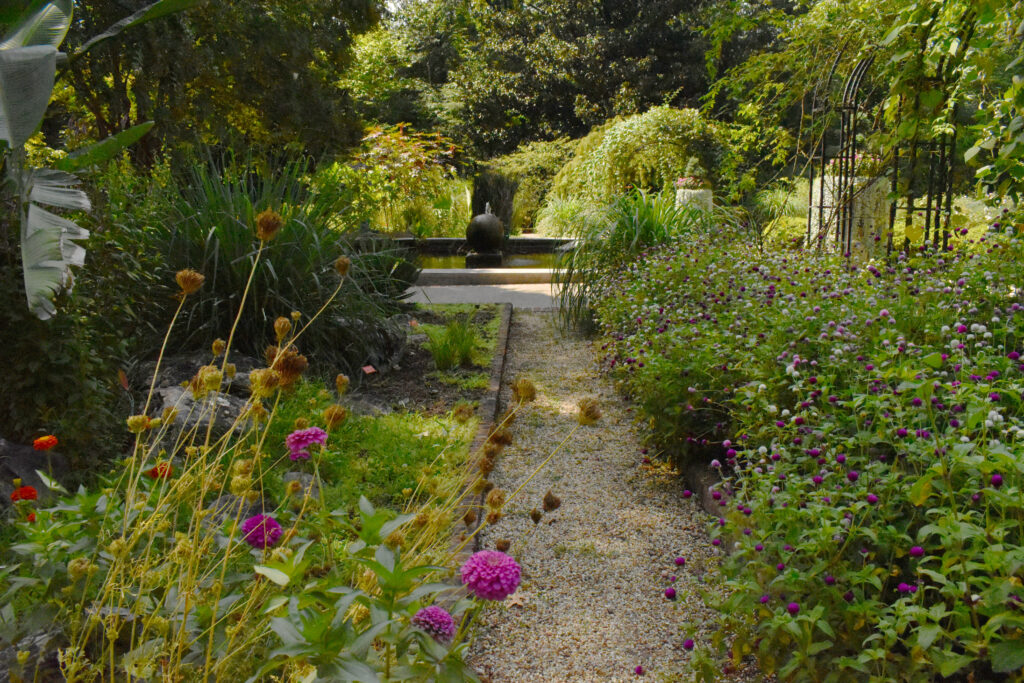
In 1941 or early 1942, the Dixons completed a Georgian Revival home designed by Houston architect John F. Staub. Over the next three decades, they developed the surrounding gardens with the help of Hugo’s sister, Hope Crutchfield, a landscape designer who had studied at Columbia University.
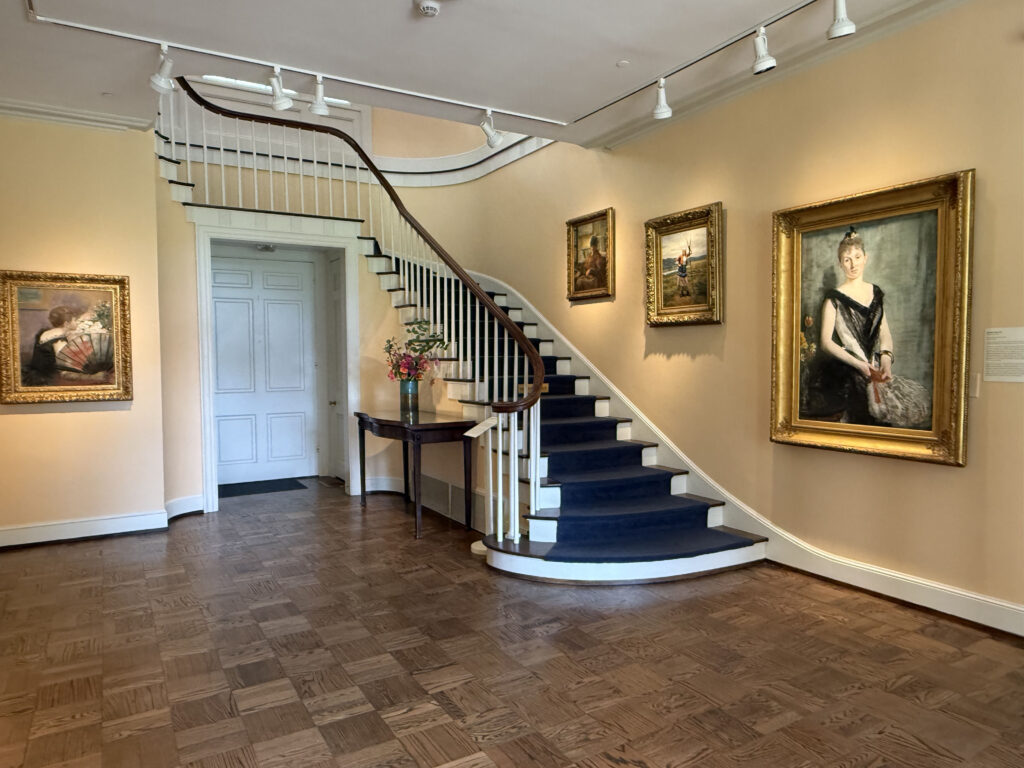
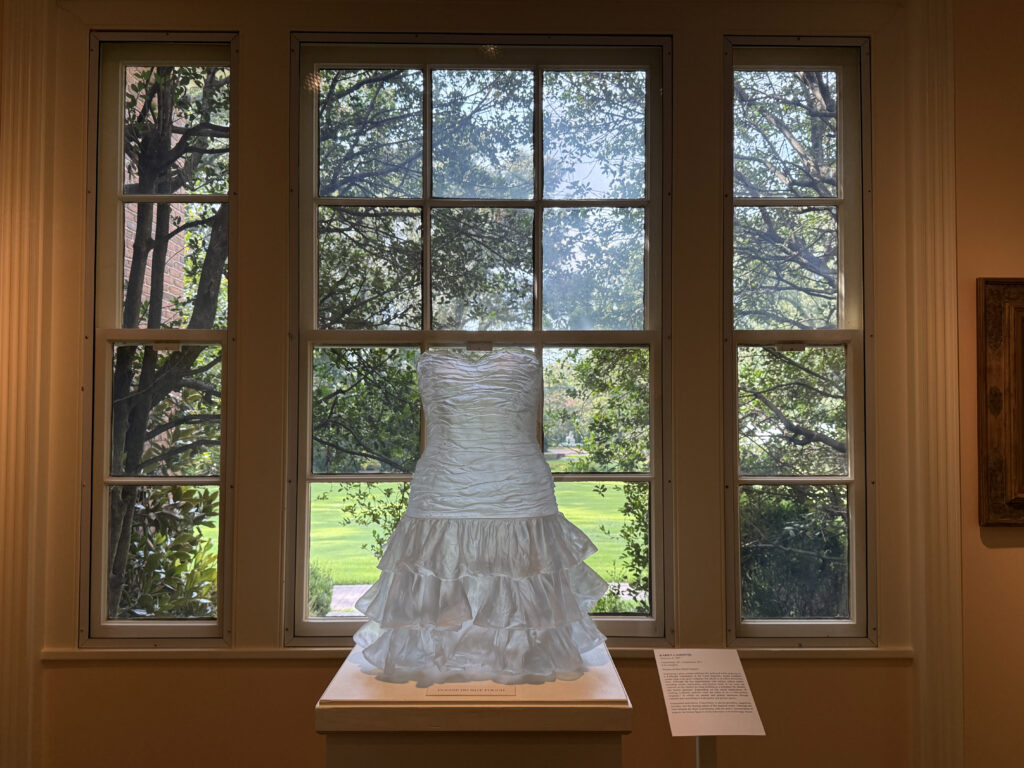
As their gardens developed, so did their art collection. The Dixons became particularly interested in French Impressionism and other European and American art, while Margaret became active with the Memphis Garden Club.
Their home was also a social hub. Friends and family gathered there for parties, celebrations, and weddings, creating a tradition of bringing people together that would eventually become part of the Dixon’s public life.
Margaret’s own story is part of Memphis lore. Before she became Mrs. Dixon, Margaret Oates was among the passengers rescued from the wreck of the M. E. Norman in 1925 by Memphis hero Tom Lee. According to the story, she stayed afloat by using her parasol to trap air beneath it.
Margaret went on to become deeply involved in Memphis’ cultural life, serving on the board of the Memphis College of Art and participating in numerous cultural institutions and volunteer organizations. She also created drawings that are now part of the Dixon’s collection.
“Margaret and Hugo seemed like a very fun, very art-invested couple,” says Kristen Rambo, Dixon communications director.
A Legacy Meant for Memphis
Margaret and Hugo had no children, and before their deaths they decided that their estate should become a museum. They wanted their home, gardens, art collection, and resources to benefit Memphis for generations.
Both died in 1974. Their estate and bequest became the foundation for the Dixon Gallery and Gardens, which opened to the public two years later.
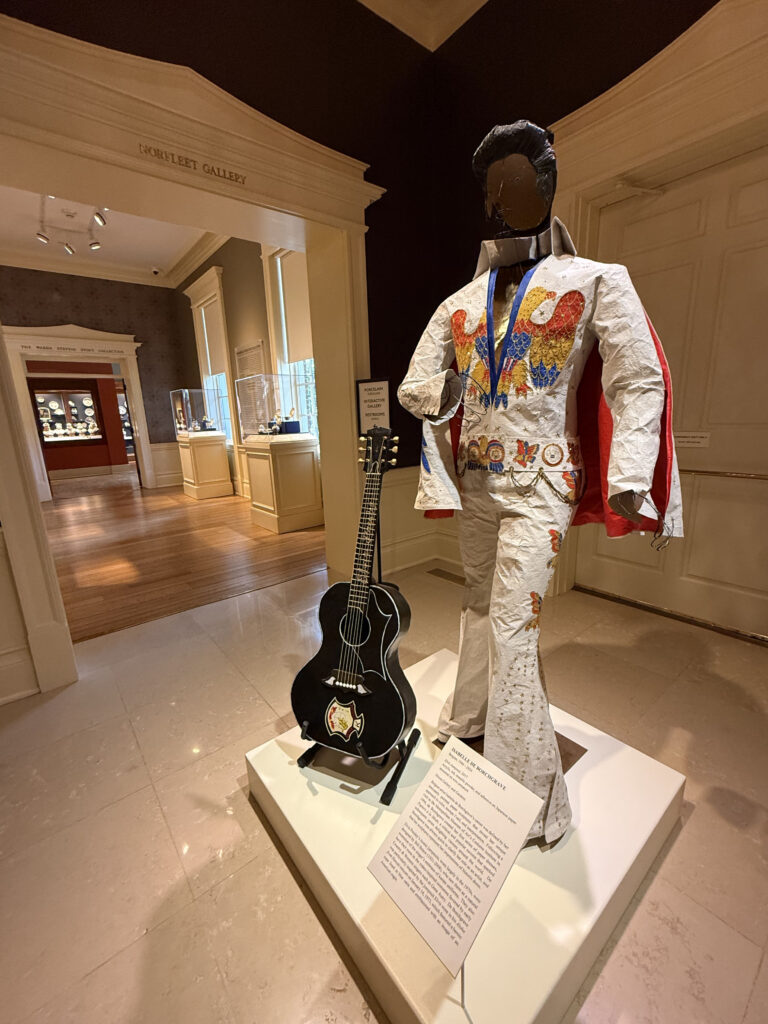
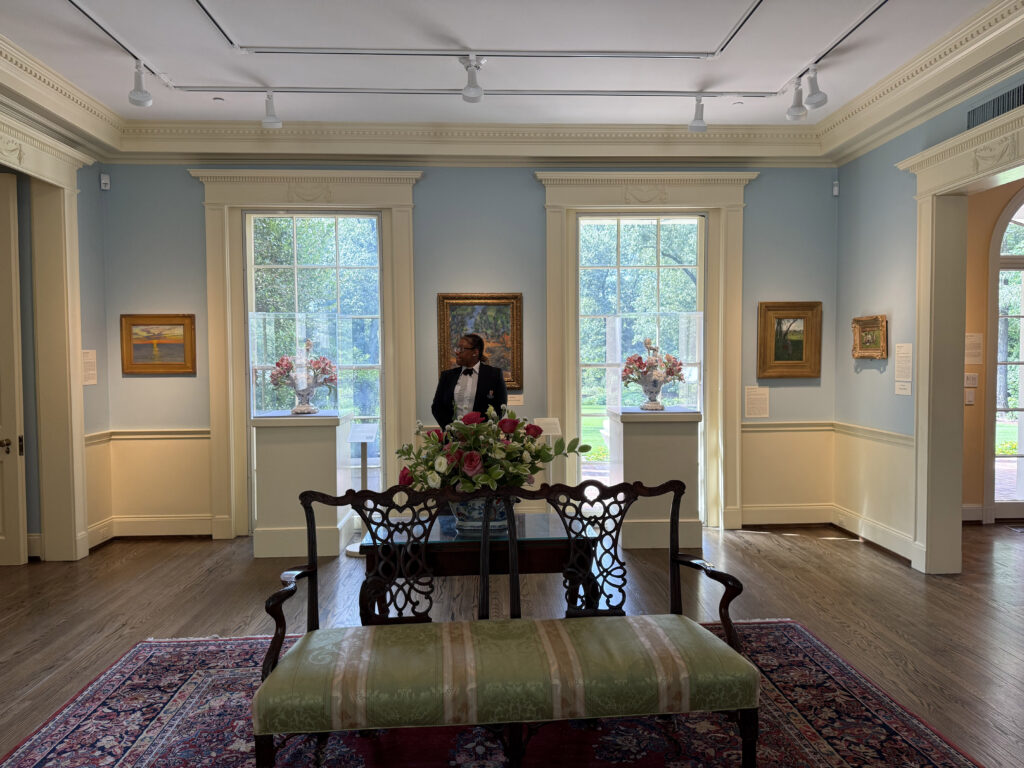
Today, the Dixon’s collection includes more than 2,000 objects, with particular strengths in French Impressionism and Post-Impressionism and significant holdings of European ceramics.
“We kind of credit her [Margaret] for a lot,” Rambo says. “They didn’t have children, and so, they wanted it all to go to Memphis. So they bequeathed it to us, and we get to continue that mantle.”
The Woman Behind the Gardens
Hope Crutchfield also played a significant role in creating the landscape visitors experience today.
Living in New York City and later Stowe, Vermont, Crutchfield worked with Hugo through a remarkable series of letters, sketches, and plans spanning approximately 25 years. Together, they developed an American garden influenced by English, French, and Italian traditions.
“I love that we have all the correspondence between them,” Rambo says. “He’s just writing his sister letters trying to find out, ‘what do you think about this?’ They wrote these letters back and forth that had designs for the gardens.”
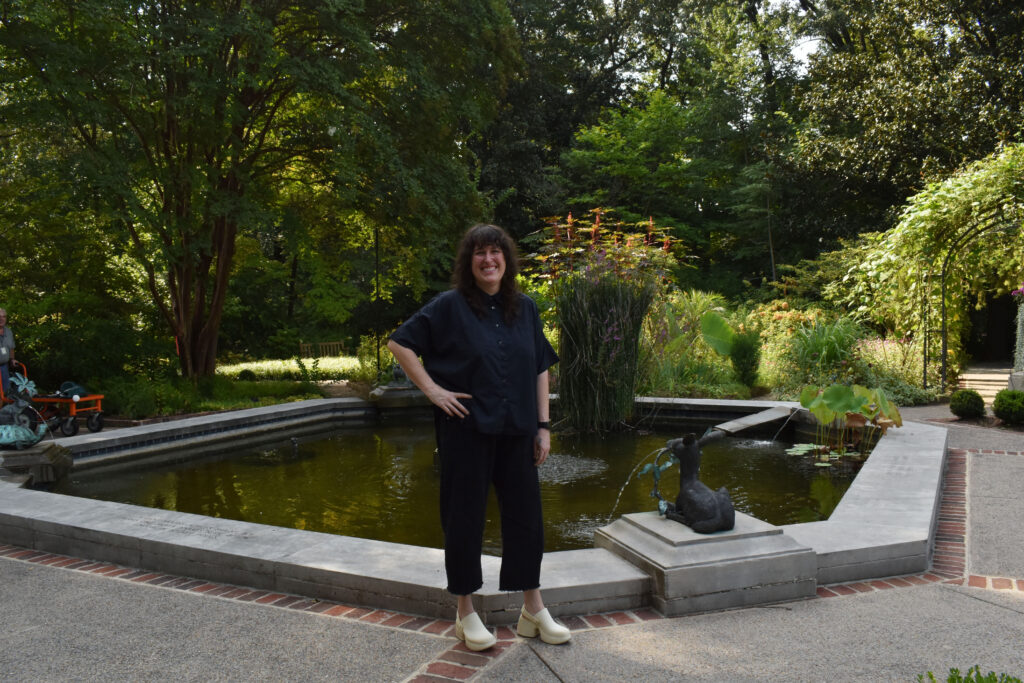
Much of the original planning remains reflected in the gardens, even as the landscape has evolved and expanded.
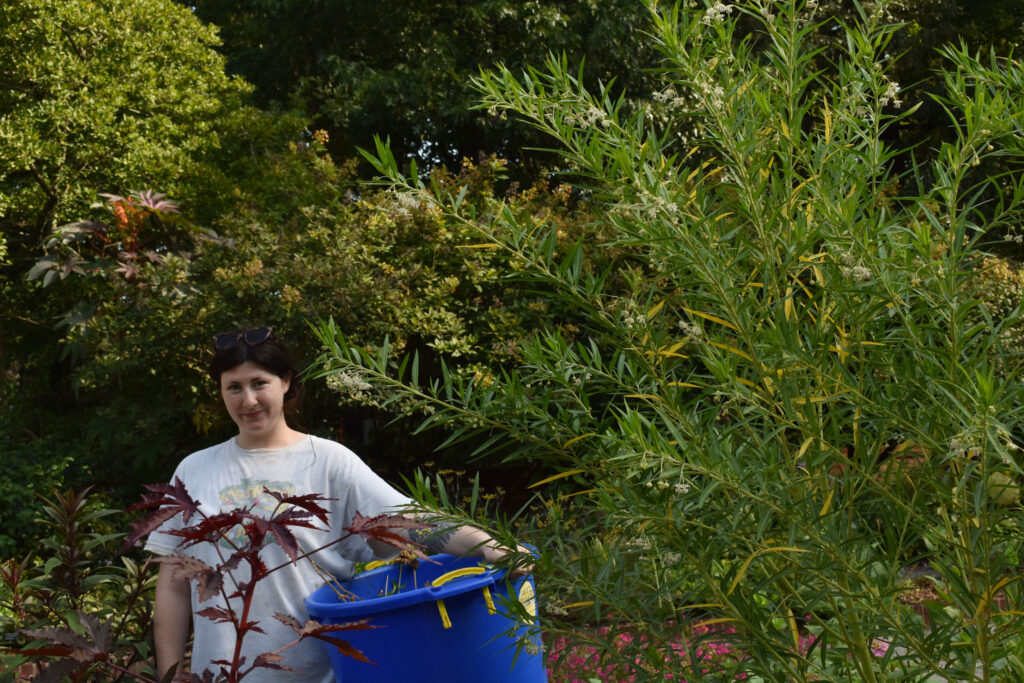
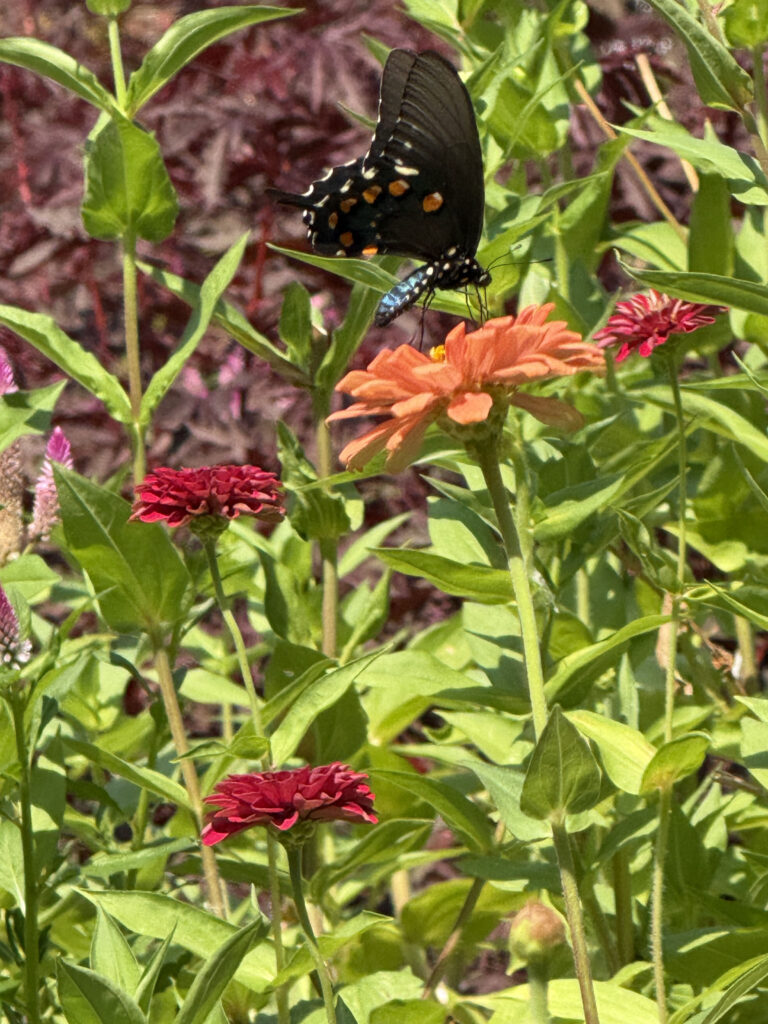
There was a woman’s voice at the center of that landscape from the beginning. Today, the Dixon’s professional garden staff and volunteers continue that work. The annual plant sale, for example, has historically drawn a strong base of women volunteers who pot plants, cut flowers, create arrangements, and help carry on the traditions of the gardens.
Women Carrying the Mission Forward
The Dixon’s story did not end when the museum opened.
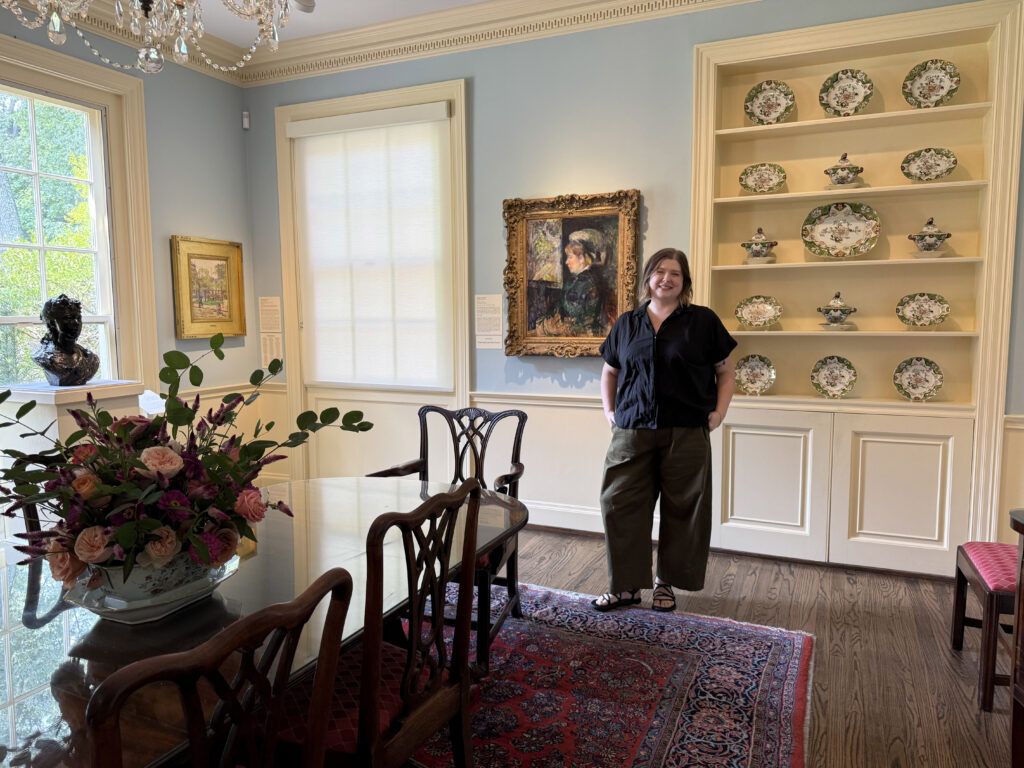
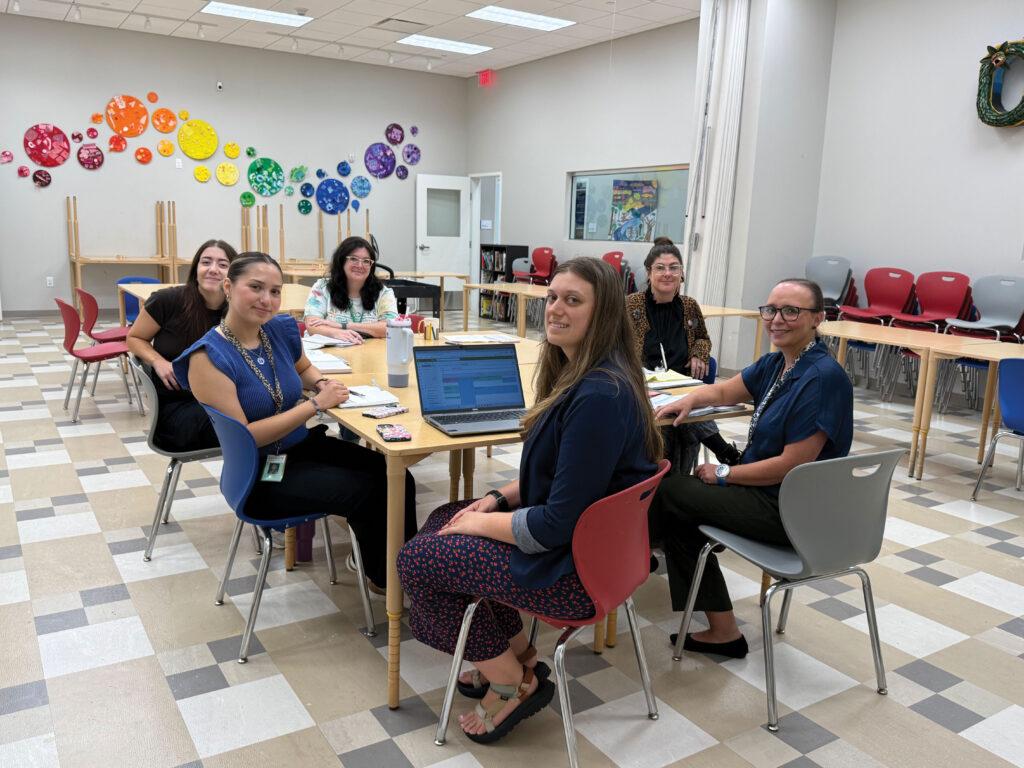
The institution has a long history of women helping shape its programs, collections, gardens, and community work. Rambo says the Dixon remains a primarily woman-led organization, with women making up a large portion of its staff.
“Margaret [Dixon] started something with making this place so special, and then she and Hugo bequeath it, and then our staff here over the last 50 years has taken that energy and pushed it forward.”
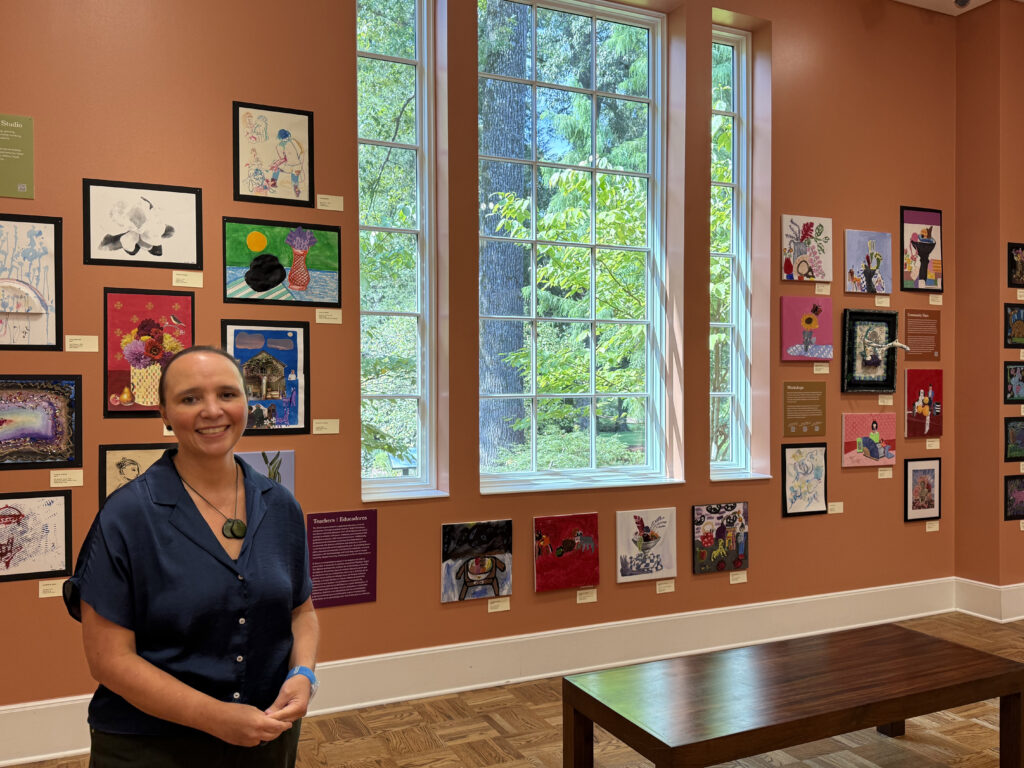
One of those women is Margarita Sandino, who has served as the Dixon’s education director for nearly 19 years. During her tenure, she has helped expand the museum’s art education and community outreach programs.
Programs including Art to Grow and T.A.G. (Teens. Art. Gardens) provide art and horticulture experiences to thousands of students throughout the Memphis area, with priority given to Memphis-Shelby County Schools. The Dixon also brings supplies, instructors, and lessons directly into the community through its outreach van.
Sandino helped create the Community Partners Roundtable with Tracey Zedwig Ford in 2016, bringing nonprofits, educators, artists, businesses, universities, and other organizations together to develop programs and opportunities.
For Sandino, the Dixons’ original vision remains a guide.
“I think I can say after all this time that it is through education that the Dixon has changed so much and has brought people to enjoy what they [the Dixons] originally set out to do.”
At its heart, she says, that vision was about sharing beauty.
“They wanted people to enjoy themselves, to see the beauty, and to take a moment.”
Collecting With Margaret in Mind
Margaret Dixon’s influence also remains visible in the museum’s approach to collecting.
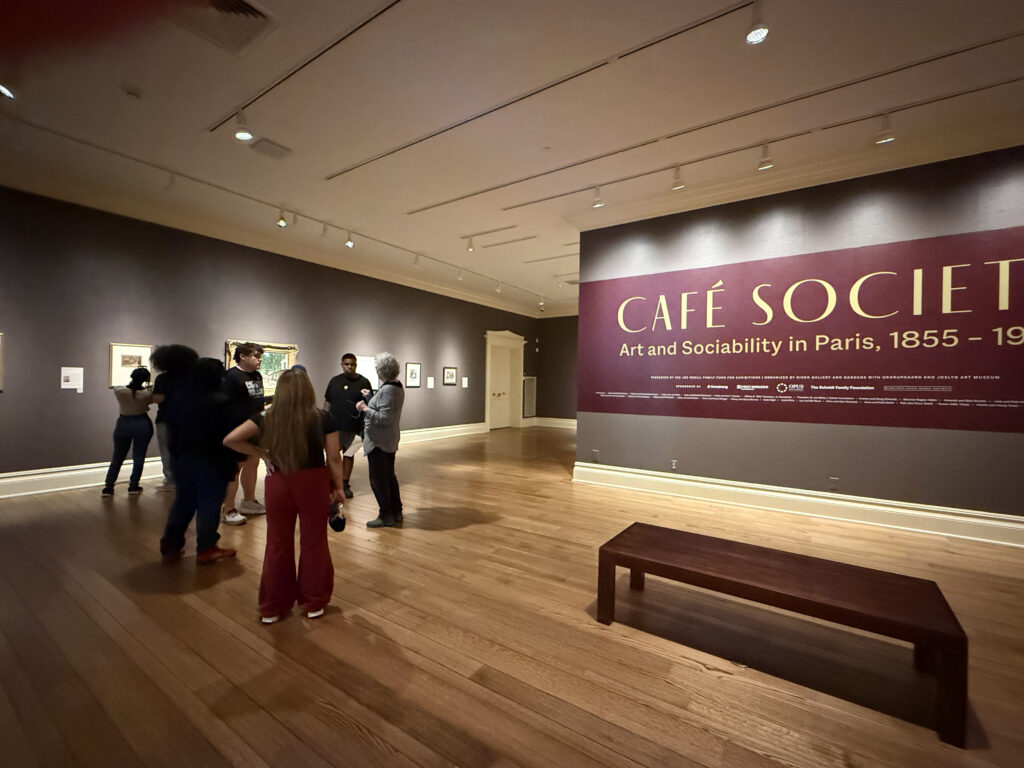
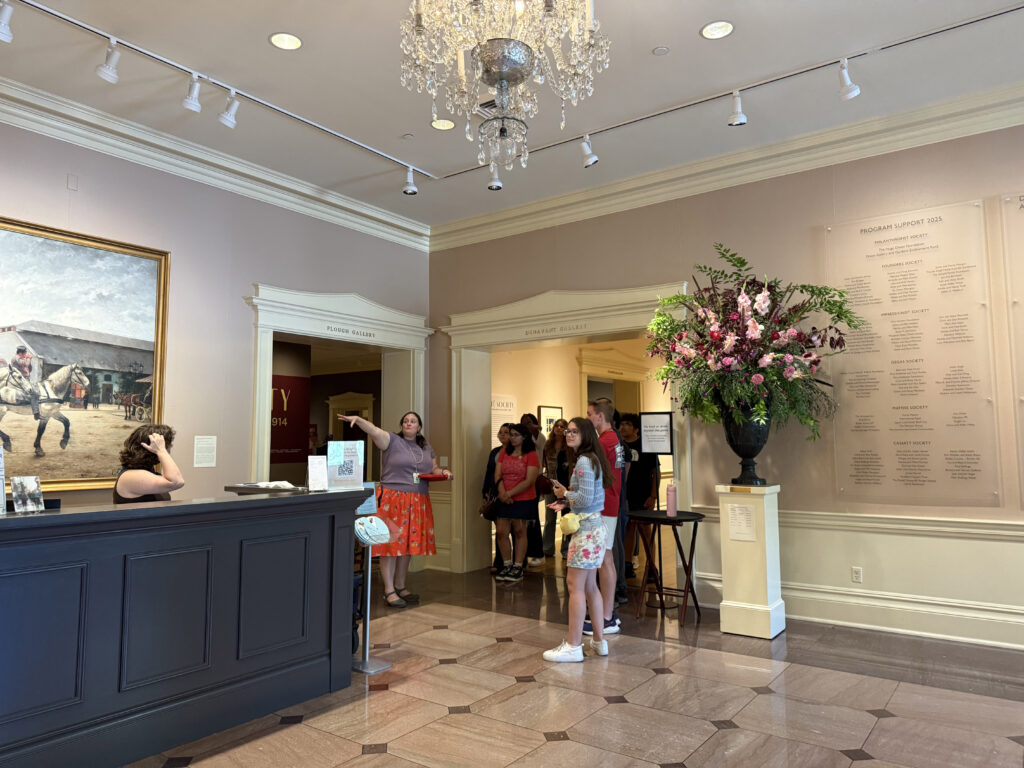
Julie Pierotti, the Martha R. Robinson Curator at the Dixon, joined the museum in 2007 and most recently curated Café Society: Art and Sociability in Paris, 1855–1914.
Pierotti says Margaret’s approach continues to influence how the Dixon evaluates art.
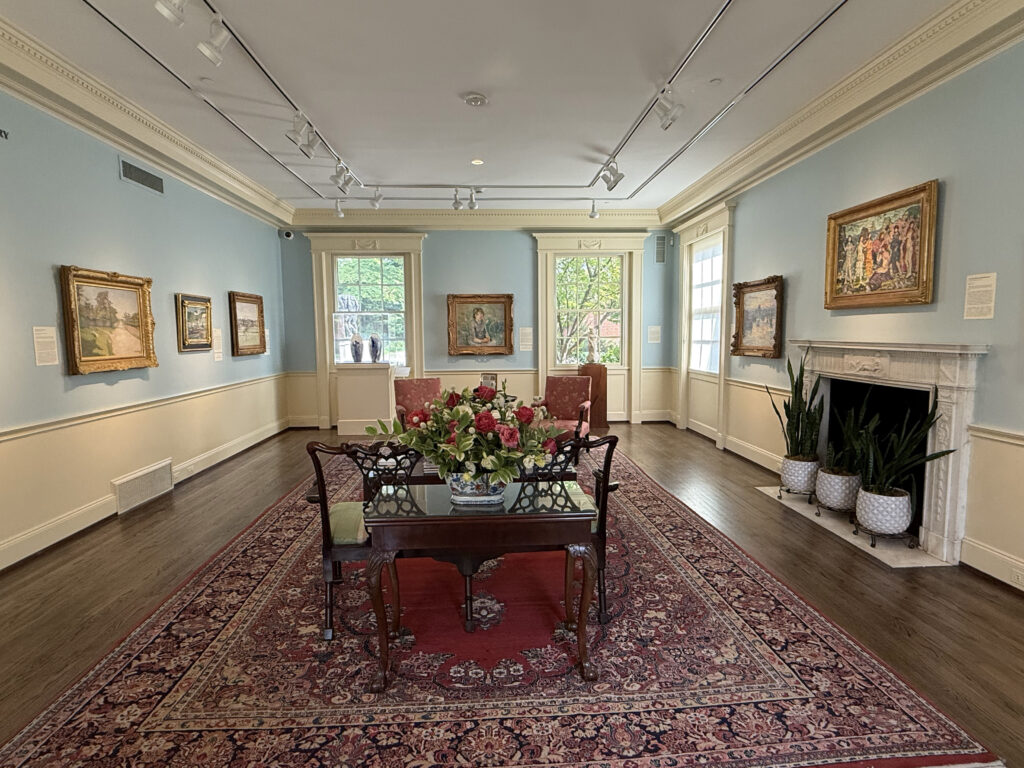
“Margaret Dixon never purchased a work of art without seeing it on the walls of her home first. Her thoughtful consideration informs our approach to collecting at the Dixon today.”
That tradition continues. Before purchasing a work, the museum brings it to Memphis and considers how it looks in the space and how it speaks to the existing collection.
Pierotti has also witnessed greater recognition of women artists, both in Memphis and more broadly.
“I feel like things have absolutely changed for women artists in Memphis and in a larger sense, for historic artists.”
She notes the growing number of exhibitions and research focused on women artists, while acknowledging that there is still more work to do.
50 Years and Looking Forward
The Dixon is marking its 50th anniversary with An Investment in Pleasure: Fifty Years of the Dixon Gallery and Gardens Collection, opening September 20 and running through January 10, 2027.
The exhibition offers visitors a broader look at the art collected by the Dixons and works acquired by the museum since its founding.
Today, the Dixon remains a 17-acre public garden and art museum offering exhibitions, horticulture, education, and community programs. General admission is free.
Fifty years after Margaret and Hugo Dixon opened their home and collection to Memphis, the spirit of their invitation remains.
Come in. Look around. Walk the gardens. See the art. Take a moment.
The Dixon’s HERstory is not only about the woman at the beginning of the story. It is also about the many women who have carried that vision forward and the generations of Memphians who have made the Dixon part of their own stories.

