


A Memphis brunch and drag fundraiser brings WeCareTN, My Sistah’s House and OUTMemphis together to build toward the 2027 Southern Trans Celebration.
By Ray Rico
Brunch. Drag. Community. And a bigger purpose.
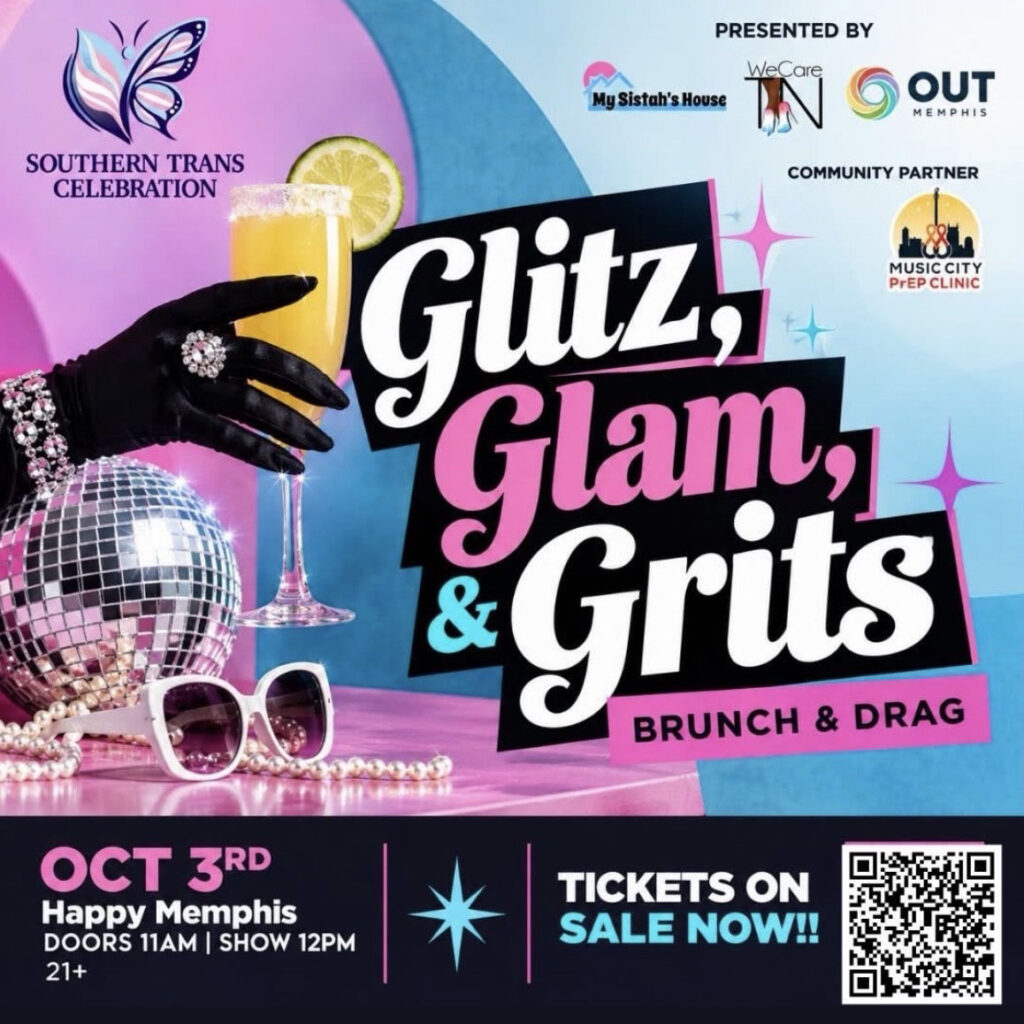
On Saturday, Oct. 3, Glitz, Glam & Grits will bring the community together at Happy Memphis for a brunch and drag fundraiser benefiting the 2027 Southern Trans Celebration.
Behind the performances and brunch is a larger story about what transgender-led organizing looks like in Memphis and why celebration and joy deserve a place alongside advocacy.
The Southern Trans Celebration brings together three organizations with deep connections to Memphis’ LGBTQ+ and trans communities: WeCareTN, My Sistah’s House and OUTMemphis. The larger celebration is rooted in trans history, community, advocacy, resources, resistance and something its organizers repeatedly return to: joy.
Each organization brings something different to that collaboration.
WeCareTN centers Black transgender women, particularly those who do sex work or use drugs, through education, advocacy and empowerment. My Sistah’s House is a Black trans-led Memphis nonprofit whose work includes housing and support for Black transgender women and nonbinary people. OUTMemphis provides a broader network of LGBTQ+ services across the Mid-South, including programs specifically serving transgender and nonbinary people.
OUTMemphis also has a direct role in making Southern Trans Celebration possible.
“OUTMemphis is a fiscal sponsor of Southern Trans Celebration, and our very own Trans Service Manager, TaMesha Kaye Prewitt, is one of the founding members of the event,” Prewitt said.
For Jasmine Tasaki of WeCareTN, bringing the organizations together has taken on added importance.
“I think that it is important that our organizations work together because at this time we are all we have,” Tasaki said. “Most leaders and communities who are not trans folks are pulling their support and advocacy back from trans issues and legislation. This is a time for us to stand together.”
She also points to the significance of Black transgender women taking leadership in creating these spaces.
“Three Black trans-identified women curating spaces for our people in such tumultuous times serves as a possibility model for our folks and other marginalized communities,” Tasaki said.
Glitz, Glam & Grits gives Memphis an opportunity to support that work while having some fun in the process.
Making room for joy
For My Sistah’s House co-founder and executive director Kayla Gore, celebration may seem far removed from the daily work of addressing housing and instability.
She sees the two as connected.
“My Sistah’s House deals with very real issues surrounding housing and stability,” Gore said. “Rarely do we get to host events like this that are focused on joy and celebration, which is why we partnered with OUTMemphis and WeCareTN to co-host Southern Trans Celebration.”
There are also accomplishments worth celebrating.
Over its 10-year history, Gore said My Sistah’s House has developed 11 homes during the past five years and is planning a mixed-use development on its corner lot.
“This event provides an opportunity to be in space with like-minded people, support three organizations, and normalize joy for Southern trans people through our biannual Trans Pride celebration,” Gore said.
That idea of normalizing joy is central to the event.
Public discussions about transgender Americans frequently focus on legislation, court cases, discrimination and violence. Those issues have real consequences and remain part of the work these organizations do.
But they do not represent the entirety of transgender life.
There is also friendship. Family. Art. Drag. Careers. Activism. Brunch. Laughter.
And joy.
“Many of our folks are never allowed the experience of joy,” Tasaki said. “We are pushed to the limit of our boundaries every day living among folks who fear our joy.”
She said intentionally creating an environment where transgender people can simply exist and celebrate together has value of its own.
“For decades trans folks have been ridiculed and punished for being ourselves, and that is horrific,” Tasaki said. “We know that creating an opportunity for trans folks to stand in their existence with pride is needed. The joy comes with an experience that will fuel our movement forward.”
For Tasaki, the fundraiser also gives organizers an opportunity to bring attention to issues affecting transgender people beyond the event itself.
“We are raising money to raise awareness around anti-trans legislation, the criminalization of HIV, and the need for trans visibility and joy,” she said. “Memphis has been the cornerstone of civil rights movements, so bringing the local and national community here in Memphis is extremely significant during the struggles we are facing as a community.”
Housing, healthcare and getting where you need to go
Celebration is one part of the story. Meeting everyday needs is another.
At My Sistah’s House, housing remains central to the organization’s work.
Gore said one of the greatest needs she sees among transgender people in Memphis is something more fundamental than any individual program.
“One of the biggest needs of trans people in Memphis is not to be discarded,” she said.
“Many of the people we serve have been excluded in many ways. We need people to look to us as solutions, not problems. Trans people are creating solutions every day, and we need people to recognize and invest in the work that is already happening within our communities.”
Housing can provide a foundation for that work.
“Safe housing for trans people changes how they show up in real time,” Gore said. “It gives someone the ability to disconnect from the harsh realities of being trans in the Bible Belt South.”
Gore said discrimination and incidents of violence continue to affect the community, particularly Black transgender women.
“Safe and stable housing does not eliminate those realities, but it gives people a foundation from which they can navigate them,” she said.
At OUTMemphis, Prewitt said the organization is seeing demand for several basic forms of assistance.
“We are receiving a lot of interest in the services we offer the community: assistance with housing, transportation and gender-affirming health care,” Prewitt said.
Those needs often intersect. Stable housing means little if someone cannot get to work or a medical appointment. Healthcare can be difficult to access without transportation. And navigating any of those systems can become harder when someone encounters discrimination along the way.
My Sistah’s House also works beyond housing.
Gore said its limited resources frequently go toward maintaining its homes and supporting people in the surrounding South Memphis neighborhood. That has included mutual aid during power outages and providing hot meals to residents near the organization’s corner lot.
“That is something we wish people got more involved in,” Gore said.
She said volunteers and community partners have helped My Sistah’s House continue providing those services, including during situations where interactions with law enforcement have created concerns for participants.
“Having volunteers with us has helped us provide these services safely, along with community partners who bring needed resources to an area that is a food and resource desert,” Gore said.
Let trans people lead
One theme connects the responses from all three organizations: transgender people should be leading conversations about transgender lives.
For Prewitt, that also means knowing when an ally or organization should speak and when it should listen.
“The best advice I can give is know when to step up and step back,” she said. “Let trans people lead the conversation, listen to what they have to say, and stand up for trans people when you see us being misgendered or targeted for who we are.”
Gore makes a related point about the way transgender people are sometimes treated by institutions.
“We need people to look to us as solutions, not problems,” she said.
That philosophy is visible in the structure of Southern Trans Celebration itself. Trans leaders are not simply being invited to participate in someone else’s event. They are among the people creating it.
For Prewitt, meaningful allyship follows the same principle.
“To be a meaningful ally is not just putting trans people in spaces, but listening to their voices, hearing what they have to say, and respecting what was said,” she said.
Then she offered a more pointed challenge:
“We’ve spent centuries being uncomfortable, it’s time to turn the tables.”
Memphis, the South and who gets remembered
Southern Trans Celebration also places Memphis within a much larger history of organizing.
But Gore cautions against telling that history too simply.
Asked what Memphis might teach the rest of the country about trans-led organizing, she turned the question around.
“As someone who has worked for a national organization as an organizer, Memphis stands to learn a lot from the national landscape rather than Memphis teaching the rest of the country anything,” Gore said.
Memphis has a rich history of organizing, she said, but some people have been left out of the way that history is commonly told.
Gore points to Frances Thompson, a formerly enslaved Black transgender person who testified before Congress about the 1866 Memphis Massacre, as one example. She also referenced transgender soul and rhythm-and-blues performer Jackie Shane and local organizing by the Mid-South Peace and Justice Center’s H.O.P.E. Women’s Caucus.
For Gore, remembering that history also means examining who is included in organizations today.
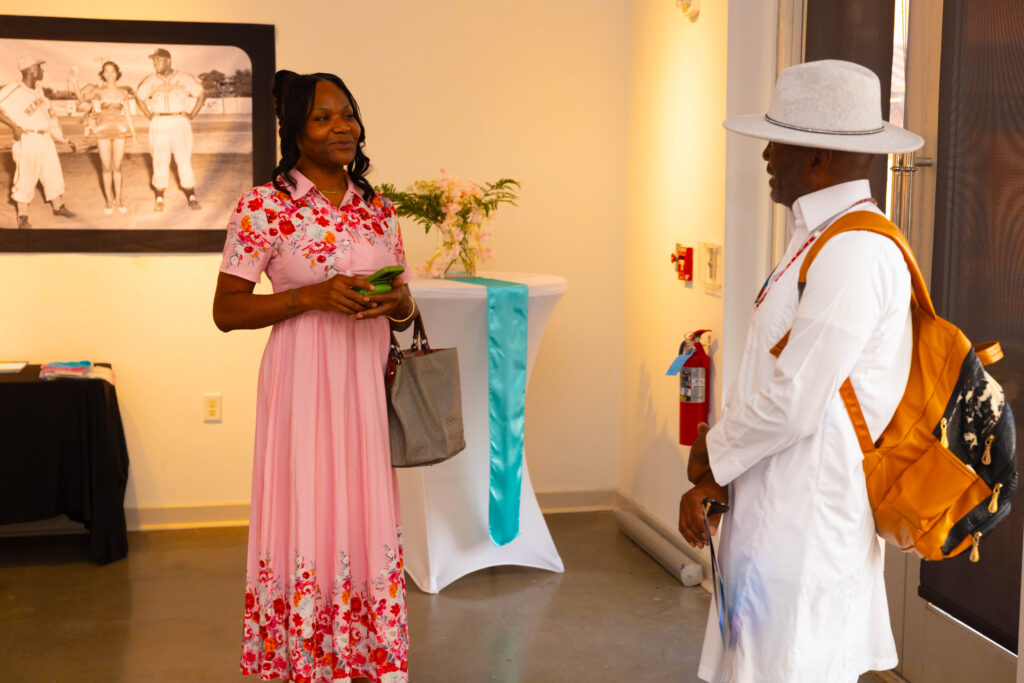
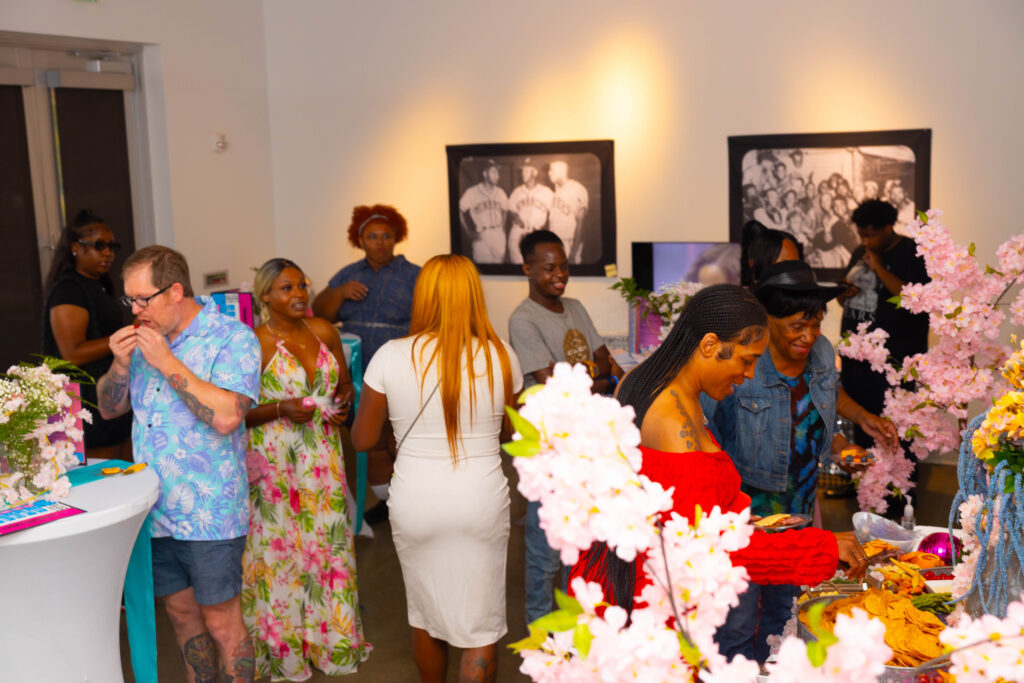
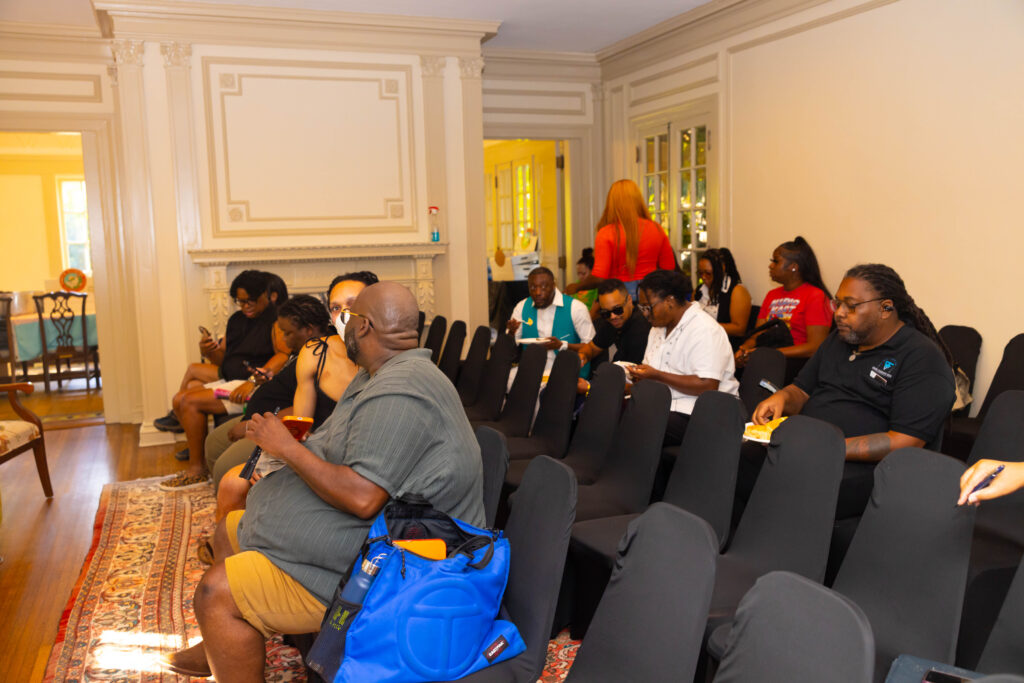
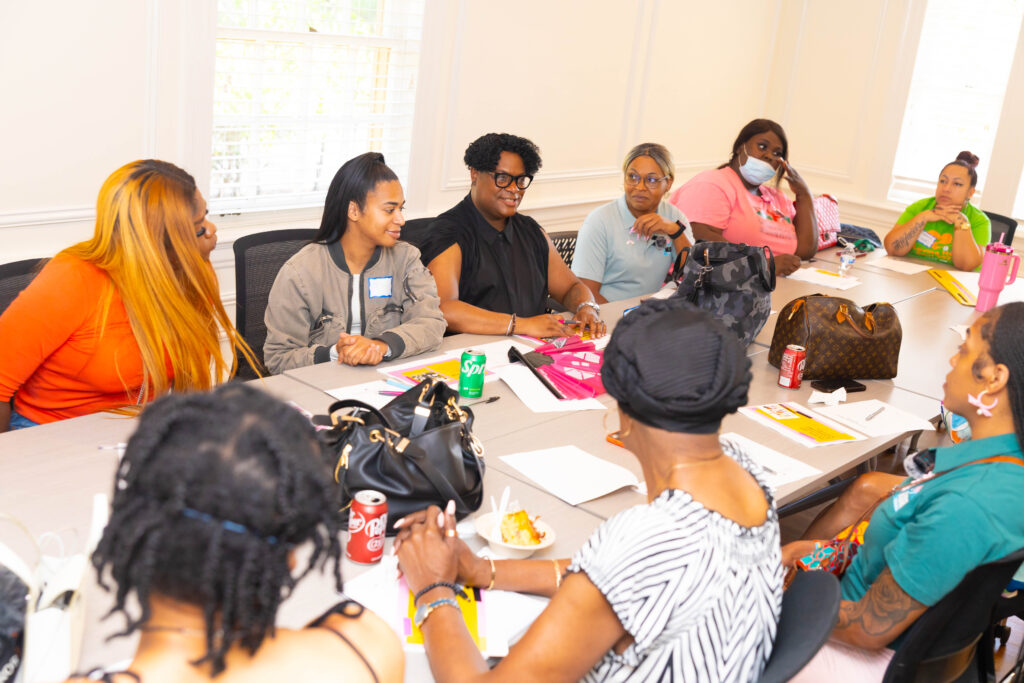
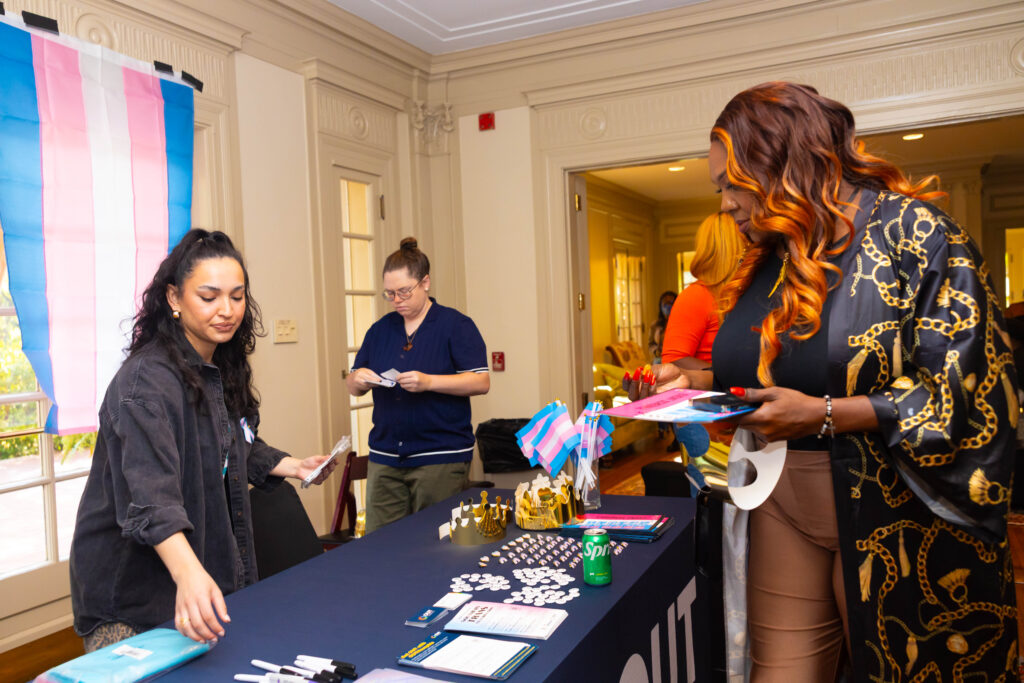
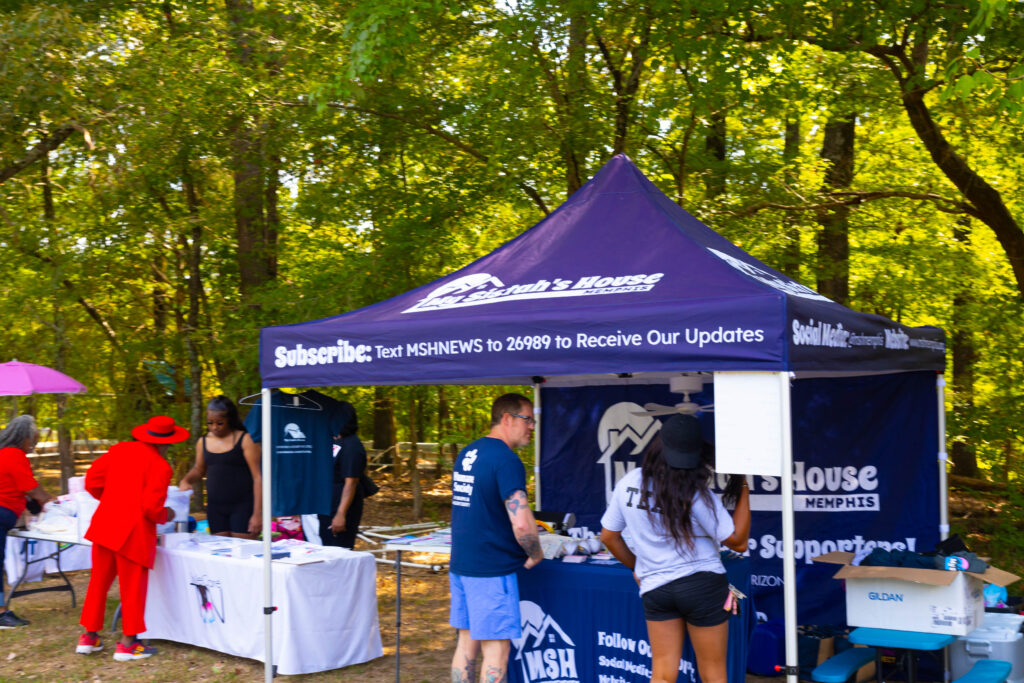
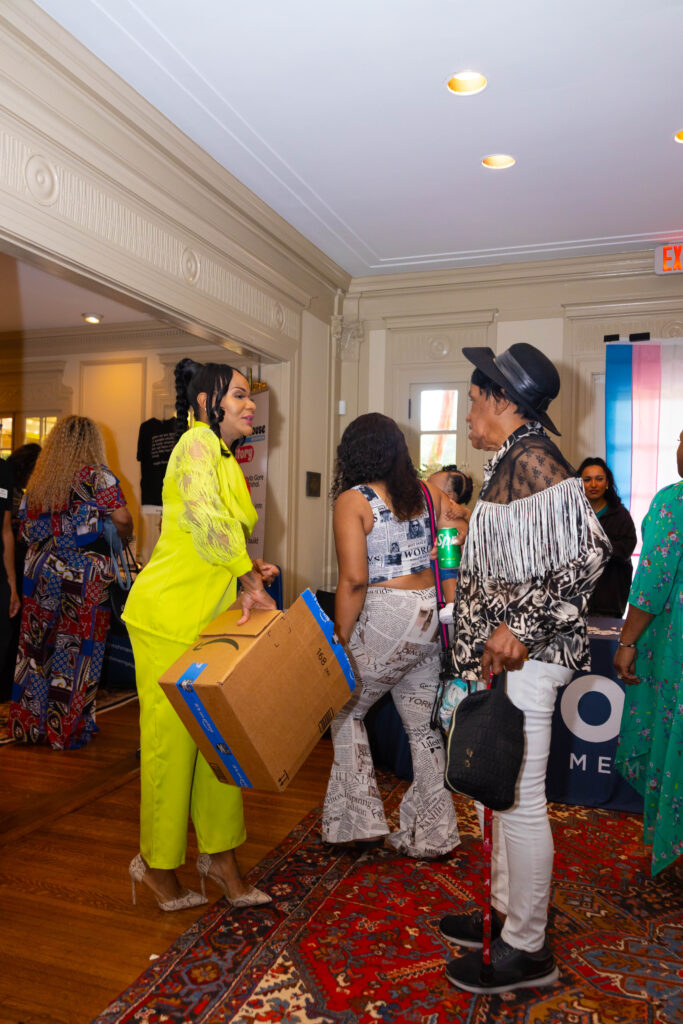
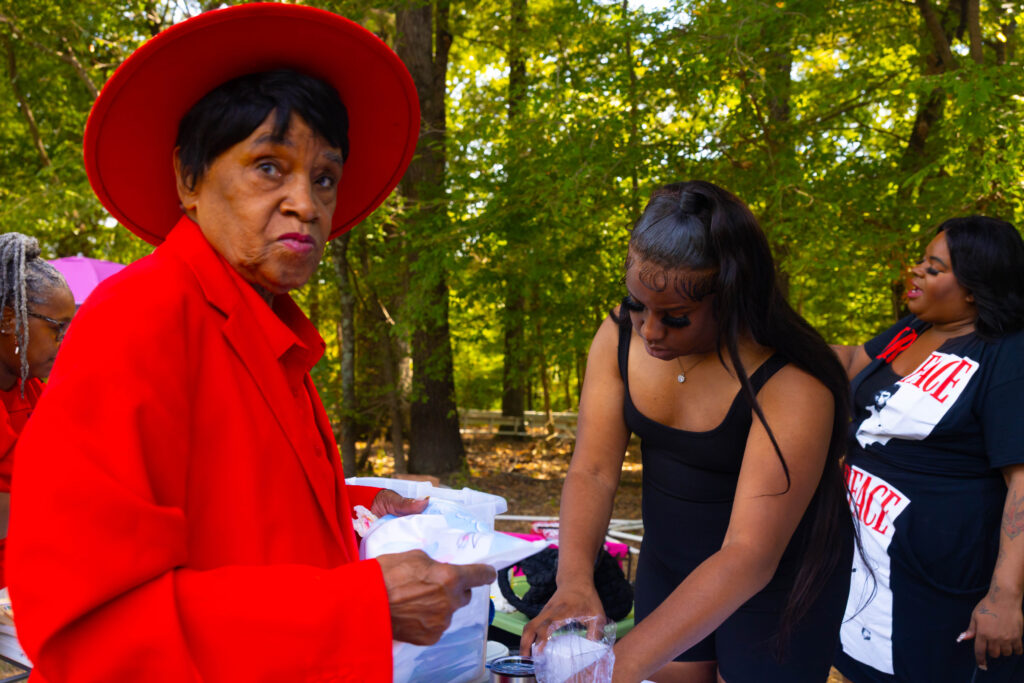
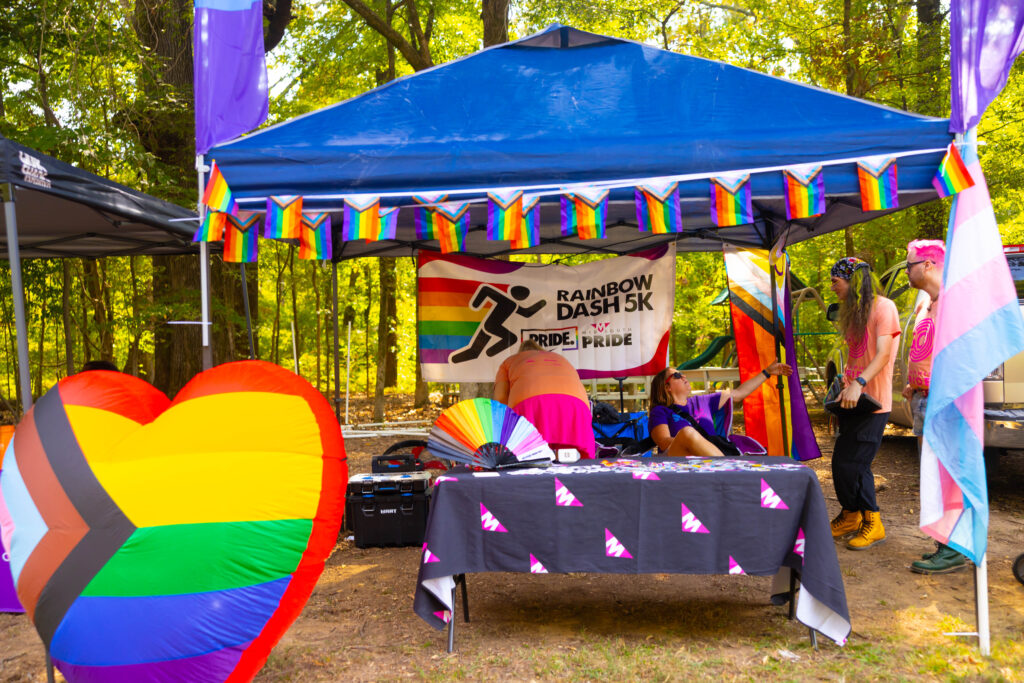
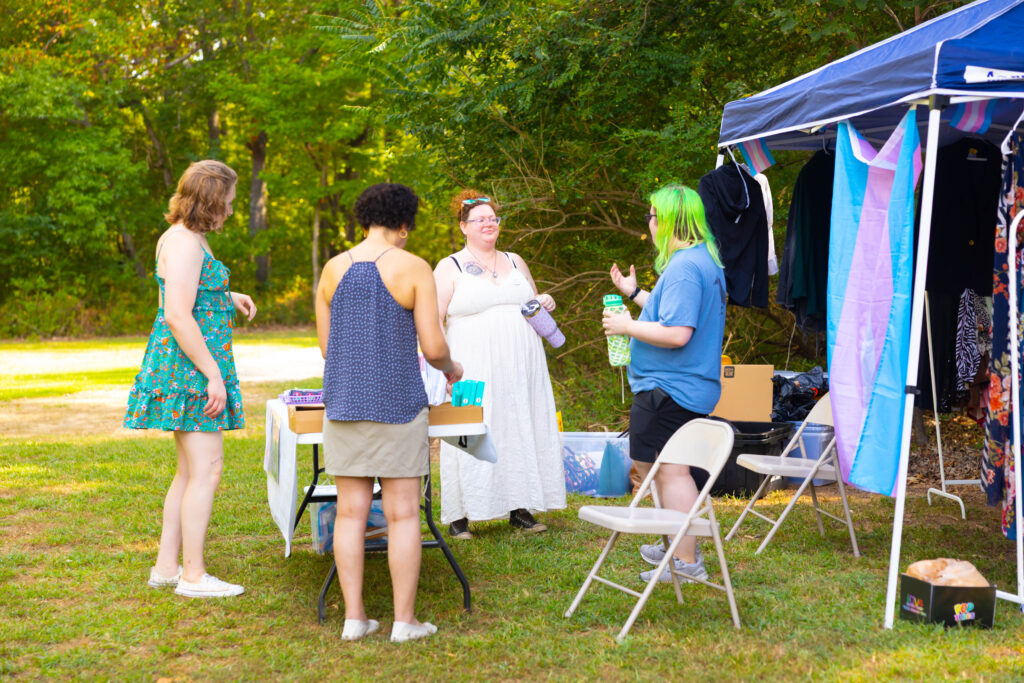
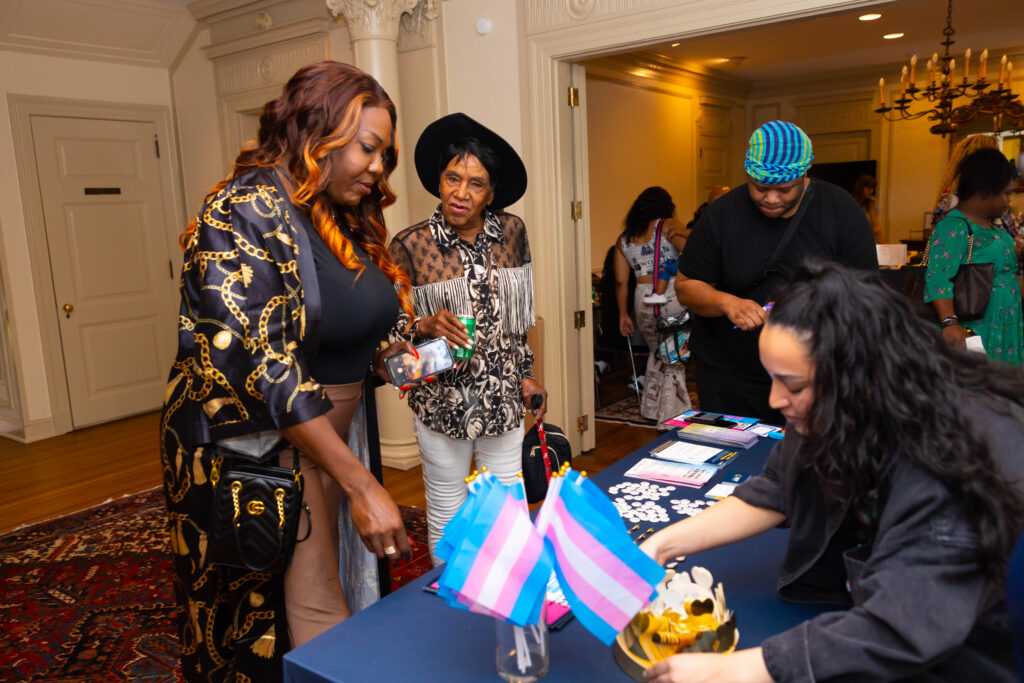
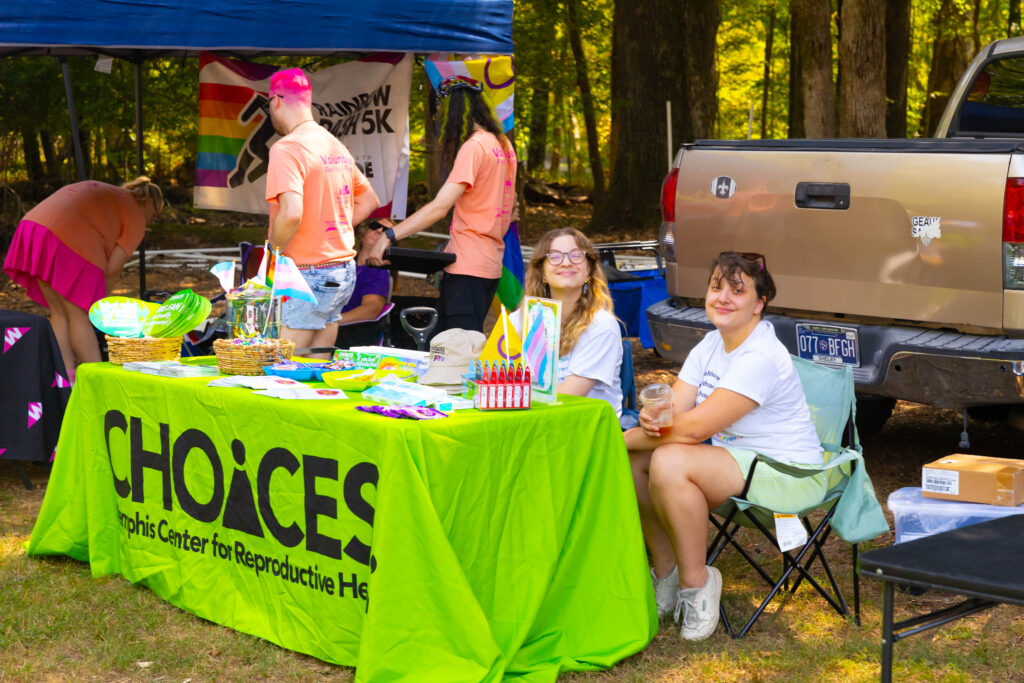
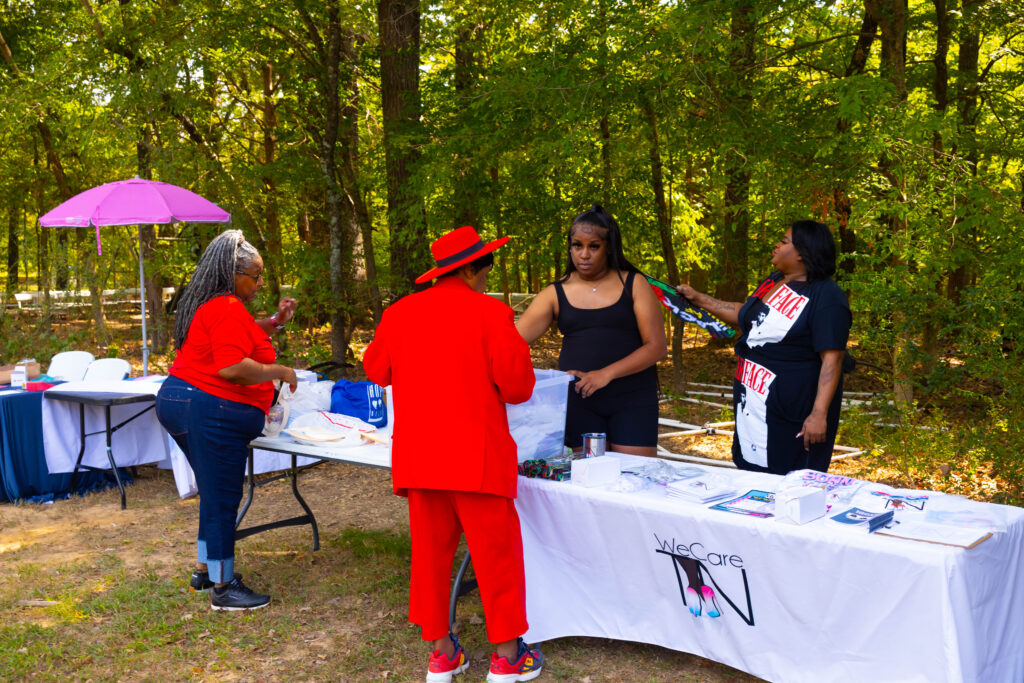
Editor’s note: Photos accompanying this story are from the 2025 Southern Trans Celebration. Courtesy of My Sistah’s House.

