


As Memphis celebrates Mexican tradition, Día de Muertos offers an opportunity to honor those we’ve lost, preserve LGBTQ+ community history and carry remembrance into November.
By Ray Rico
There is something powerful about placing a photograph on an altar.
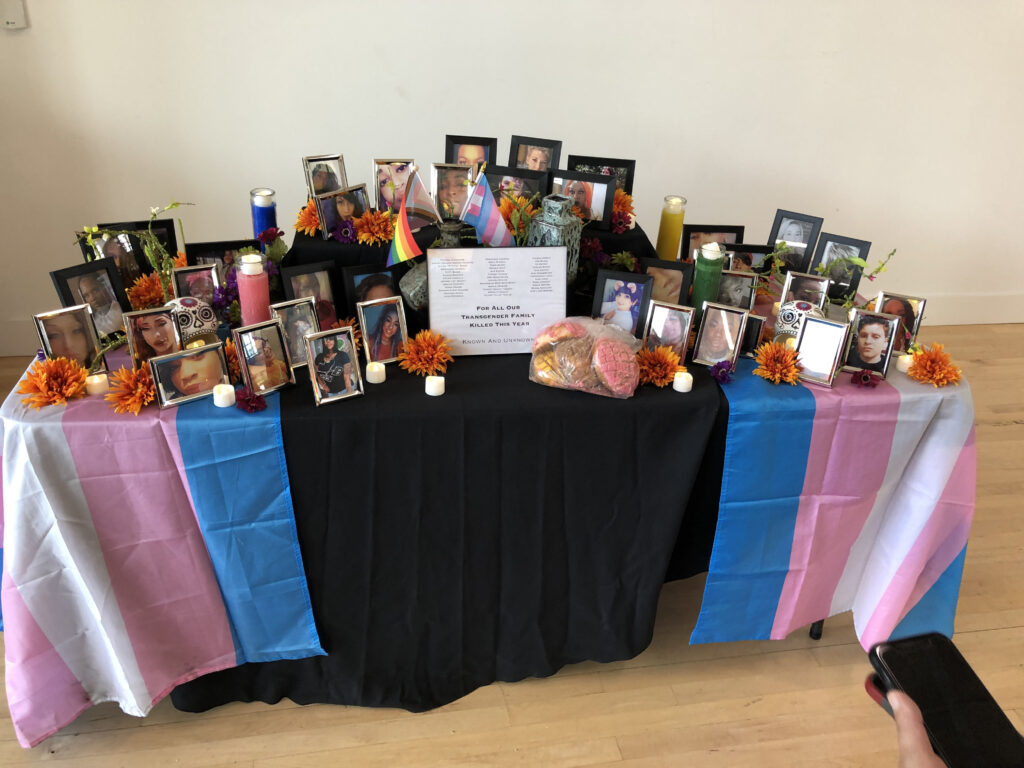
Maybe it’s your grandmother smiling in her favorite dress. A friend whose laugh you can still hear. A drag performer who made an entire room feel welcome. Or a beloved dog who greeted you at the door every single day.
For a moment, they’re close again.
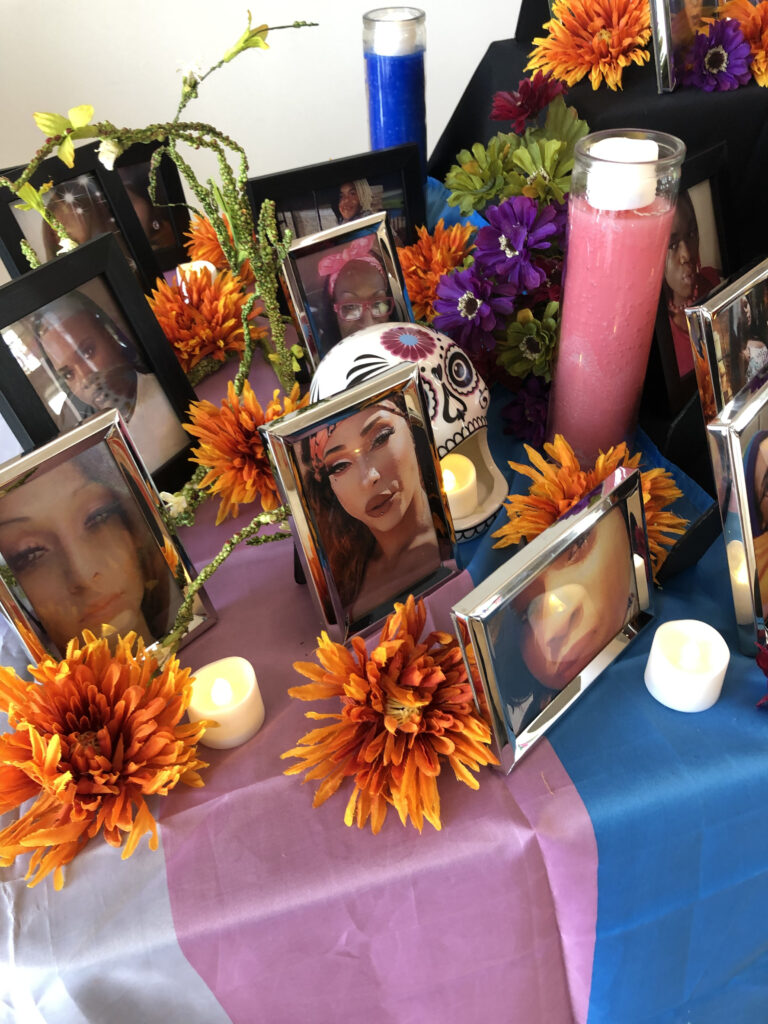
That is part of the beauty of Día de Muertos, or Day of the Dead, a Mexican tradition observed primarily on November 1 and 2. Through photographs, candles, marigolds, favorite foods and personal belongings, families create ofrendas, or offerings, to welcome and remember loved ones who have died.
It isn’t about celebrating death. It’s about celebrating the lives that continue to shape us.
And for LGBTQ+ people, whose families often extend far beyond bloodlines, that idea carries special meaning.
A Mexican tradition finds community in Memphis
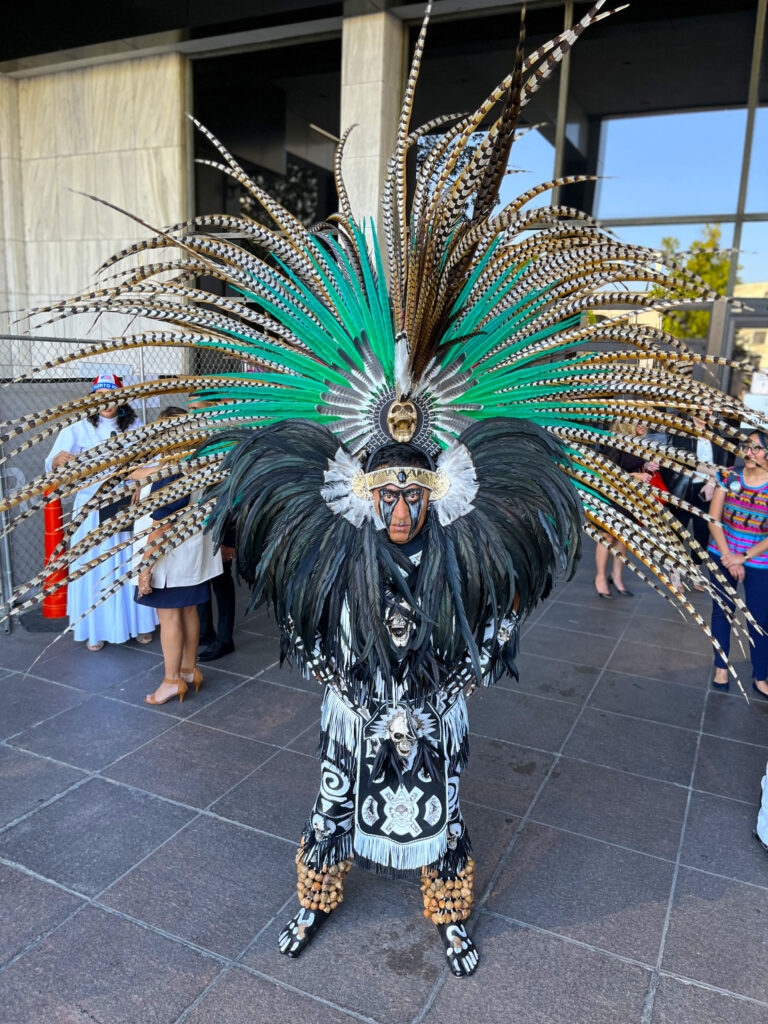
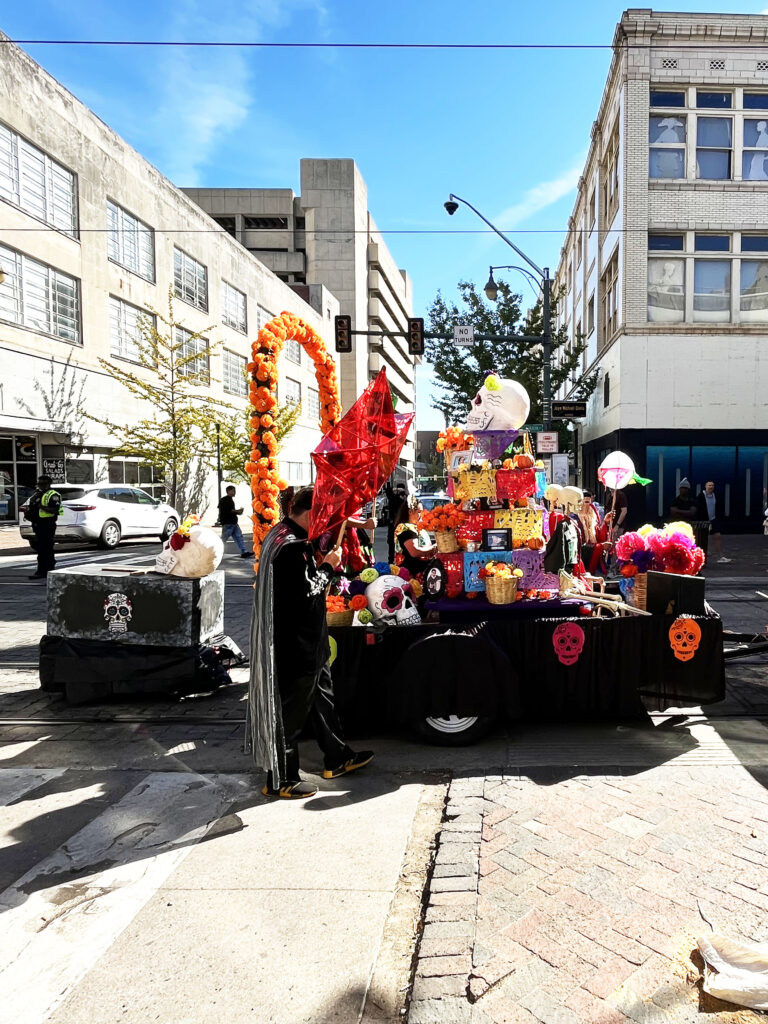
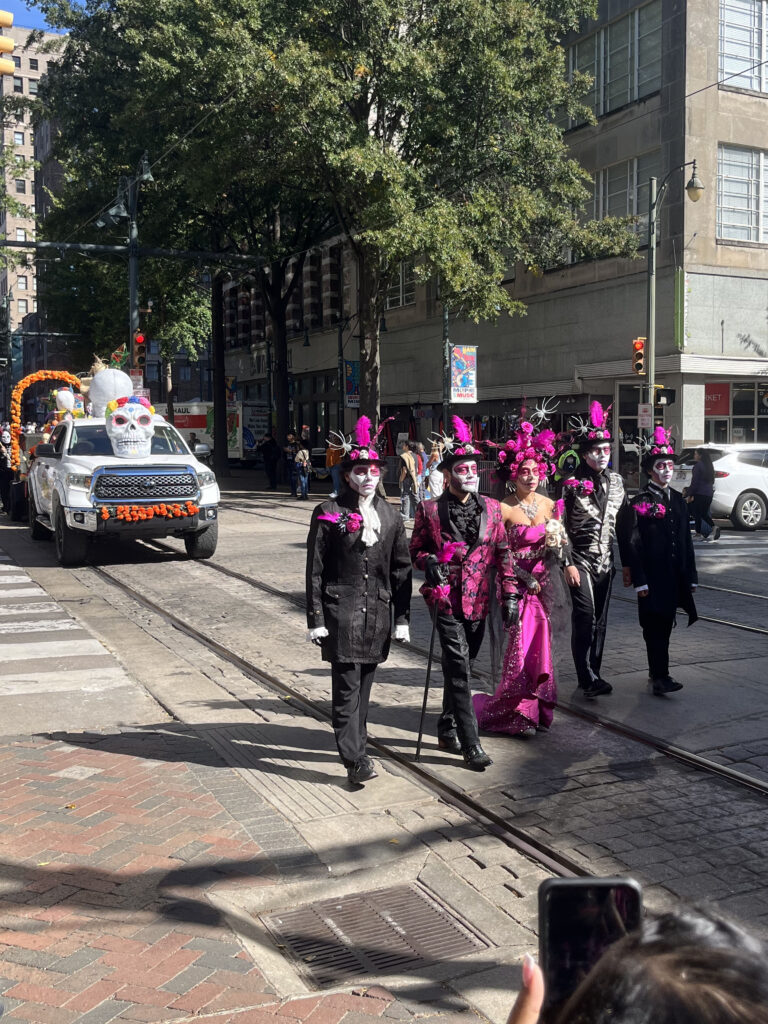
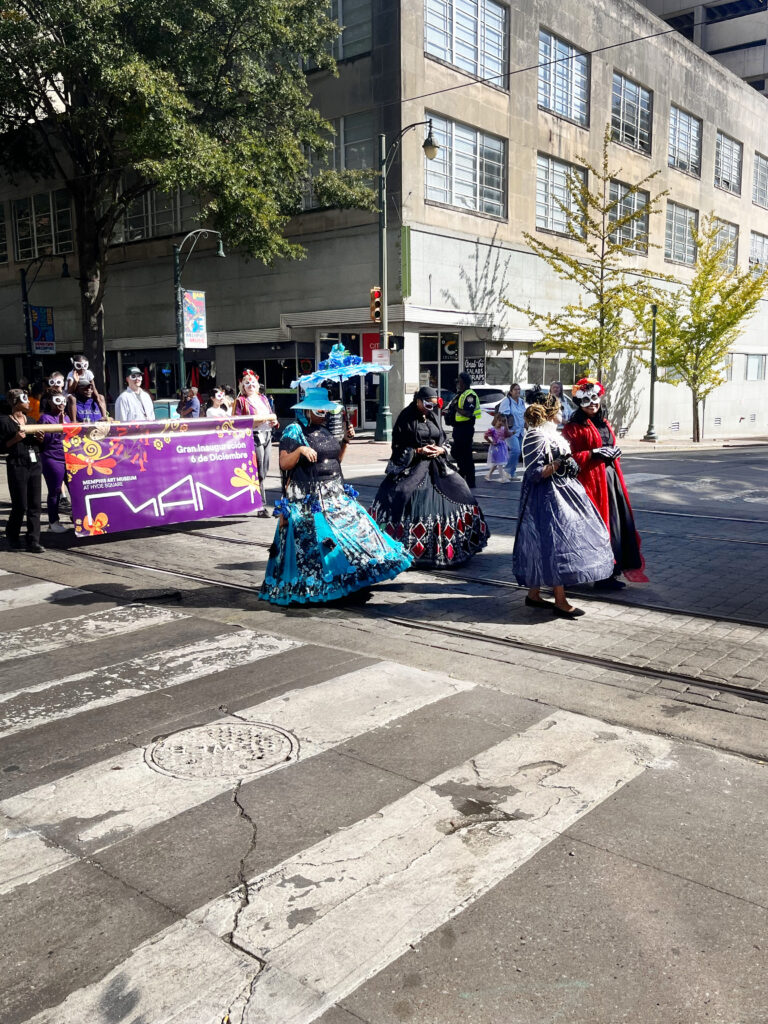
On October 24, Memphis welcomed the annual Día de Muertos Parade and Festival, organized by Cazateatro Bilingual Theatre Group, in partnership with Memphis Art Museum and the Orpheum Theatre Group.
This year’s free celebration brought the tradition Downtown, with a parade along Main Street and a festival at the Halloran Centre featuring music, dance, art and community altars.
For Cazateatro, sharing Mexican and Latin American traditions is also about building understanding across cultures.
The celebration reminds us that grief doesn’t always have to be quiet. Sometimes remembrance looks like music, dancing, colorful flowers and people gathering to tell stories about those they miss.
For Mexican and Mexican American families, Día de Muertos is deeply rooted in cultural traditions passed between generations. For others who participate respectfully, it offers an opportunity to learn about those traditions and reflect on their own loved ones.
Chosen family deserves a place on the altar
For many LGBTQ+ people, family is something we build.
It’s the friend who took us in when we needed somewhere to stay. The person who helped us come out. The bartender who remembered our name. The drag mother who taught us confidence. The neighbor who checked in when nobody else did.
These relationships may not appear on a family tree, but they are family nonetheless.
An ofrenda can help tell those stories.
A photograph, a favorite drink, a handwritten note or a small object can represent an entire relationship. The altar becomes a place to remember not only how someone died, but how they lived.
The same love extends to our pets. Anyone who has lost an animal companion knows that grief doesn’t become less meaningful because the loved one had four legs.
A collar, a favorite toy or a photograph can honor the animals who made our homes feel like home.
And remembrance isn’t reserved for people we knew personally. The music of an artist, the work of an activist or the example of a community leader can become part of our lives, too. We can honor the influence of departed performers and cultural figures while remembering the friends, neighbors and local artists whose contributions deserve just as much recognition.
Remembering transgender lives with dignity
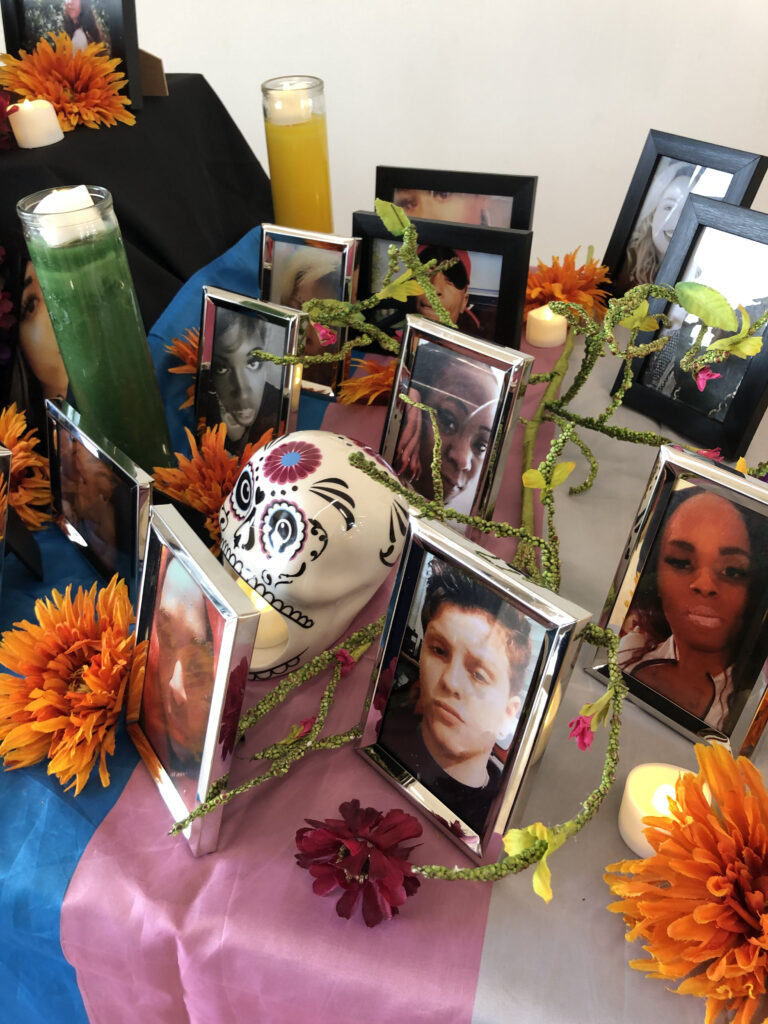
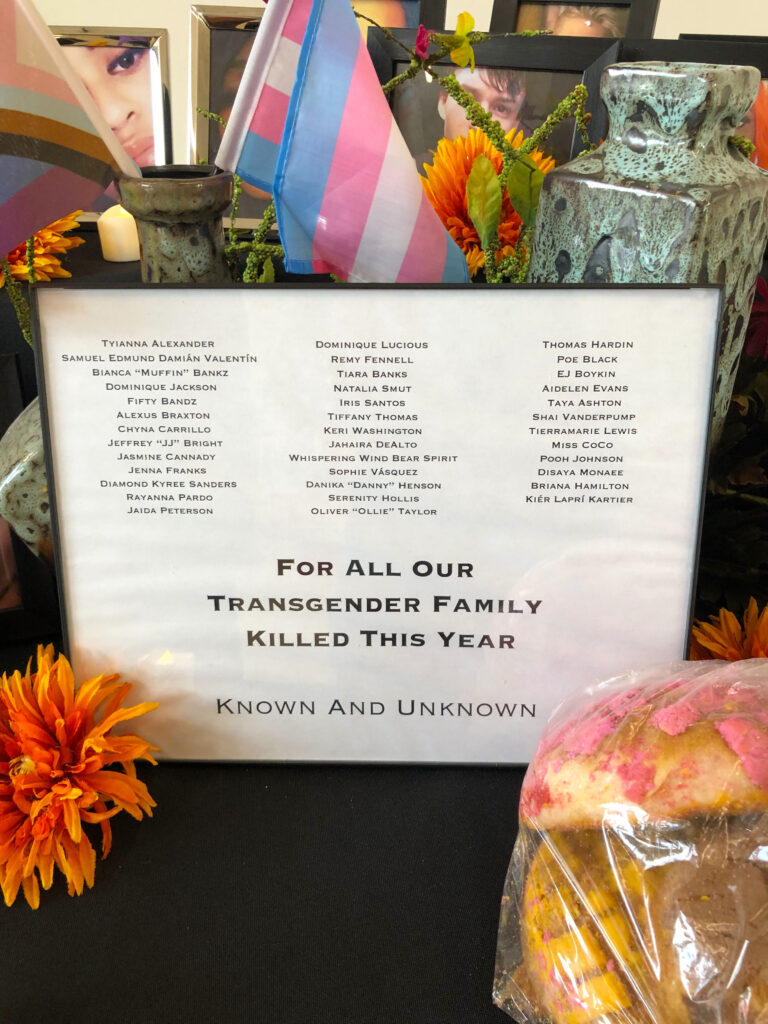
For years, LGBTQ+ communities have created memorial altars honoring transgender people whose lives were lost to violence.
These displays often include names, photographs, candles and messages of love. They are beautiful, but they also carry an uncomfortable truth: Too many transgender people, particularly Black and Brown transgender women, have been remembered publicly only after their deaths.
An altar offers an opportunity to tell a fuller story.
Every name represents someone who had friendships, interests, ambitions, relationships and a life that mattered beyond the circumstances of their death.
That responsibility feels especially urgent in Memphis.
Focus recently published reporting about Paris Lee, a transgender woman whose killing became the subject of a Tennessee appellate court ruling.
The legal proceedings have raised serious concerns about how prejudice against transgender people can influence the treatment of victims in court.
But Paris Lee deserves to be remembered as more than a legal case.
She was a person. She had a name, a life and people who cared about her.
Remembering Paris and others lost to violence means protecting their dignity, refusing to reduce them to headlines and ensuring their stories are not forgotten.
It also means recognizing that transgender people deserve safety, opportunity, community and celebration while they are alive.
From Día de Muertos to November’s days of remembrance
Día de Muertos and Transgender Day of Remembrance are distinct observances with different histories and purposes. Yet both invite us to consider whose lives are remembered and whose stories are preserved.
Transgender Awareness Week, November 13–19, focuses on visibility, understanding and the experiences of transgender people.
Transgender Day of Remembrance, November 20, honors transgender people whose lives have been lost to anti-transgender violence.
Together, these November observances offer an opportunity to do more than read names at a vigil.
We can preserve photographs and oral histories. Support transgender artists and community leaders. Share stories about local LGBTQ+ pioneers. Check on our friends. Show up for organizations providing housing, health services and safe gathering spaces.
And we can make room for joy.
The history of transgender people is not only a history of violence. It is also a history of creativity, love, friendship, leadership and resilience.
Keeping memory alive through community action
Memphis has organizations doing work that deserves recognition and support throughout the year.
My Sistah’s House is a transgender-led organization providing housing assistance, safe spaces and supportive services, primarily for Black and Brown transgender and nonbinary people.
WeCareTN supports transgender women of color and marginalized communities through education, advocacy, health resources and community-led programs.
OUTMemphis provides LGBTQ+ community programs, health services, housing assistance, peer support and resources for transgender people and their families.
And Cazateatro continues to create opportunities for Memphis to learn about and participate in Latin American cultural traditions.
Supporting these organizations is one way to turn remembrance into something lasting.
Because honoring people should never begin and end with a memorial.
The stories we choose to keep
Maybe this year you create an altar at home.
Maybe you place a photograph beside a candle, prepare someone’s favorite meal or tell a story about a friend you haven’t spoken of in years.
Maybe you remember a pet, a parent, a partner, a community elder or someone who helped you become the person you are today.
There is no requirement that grief look the same for everyone.
For LGBTQ+ communities, remembering can also be an act of preserving history. When families, institutions or public records fail to recognize someone’s life fully, friends and chosen family can help ensure that their name and story remain part of our collective memory.
Día de Muertos reminds us that love does not disappear when someone dies.
And as Memphis moves from October’s celebrations into November’s transgender observances, perhaps the most meaningful thing we can do is carry that love forward.
Remember their names. Tell their stories. Celebrate their lives. And care for the people who are still here.

