



by Cary Vaughn
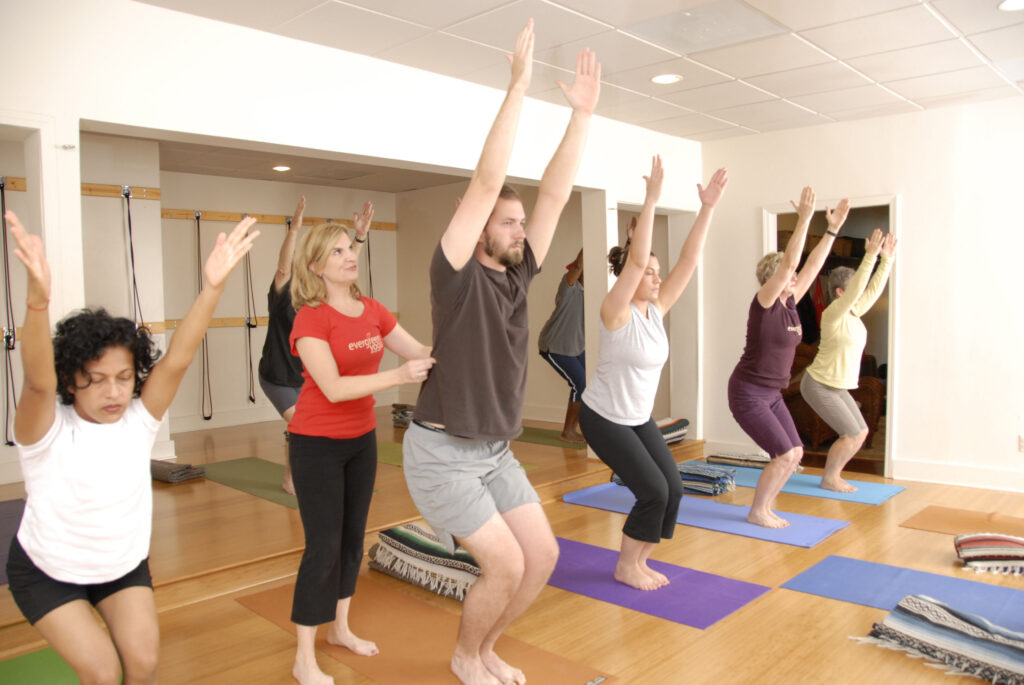
photo by Raleigh Roger
Walking into any gym for the first time can give flashbacks to being the new kid on your first day of school. “Who are these people?” “Is this seat taken?” “What am I supposed to do with this?” In a gym, there can be rows of treadmills filled with people who look like they were born knowing how to use them, a weight room full of bulky lifters who seem to communicate through nods and loud grunts, and at least one person doing an exercise so complicated it should require a permit. Meanwhile, you’re standing there holding your water bottle like it’s a security blanket, wondering if it’s too late to back out slowly and pretend you meant to walk into the dry cleaners next door. At least, that’s how I felt about 15 years ago when I walked into a gym for the first time.
If this also sounds familiar to you, too, you’re not alone. There are numerous studies and lots of research conducted on examining and understanding gym intimidation. They conclude that people avoid gym areas to prevent the anxieties induced by the fear of being watched and judged, the pressure to look a certain way, stress about using the NASA-designed-looking equipment correctly, and so on and so on. And for the LGBTQ+ community that intimidation can be amplified. We worry, “is this a safe space for me” or “which gendered assigned locker room do they expect me to use.” It’s no surprise that some of us feel overwhelmed.
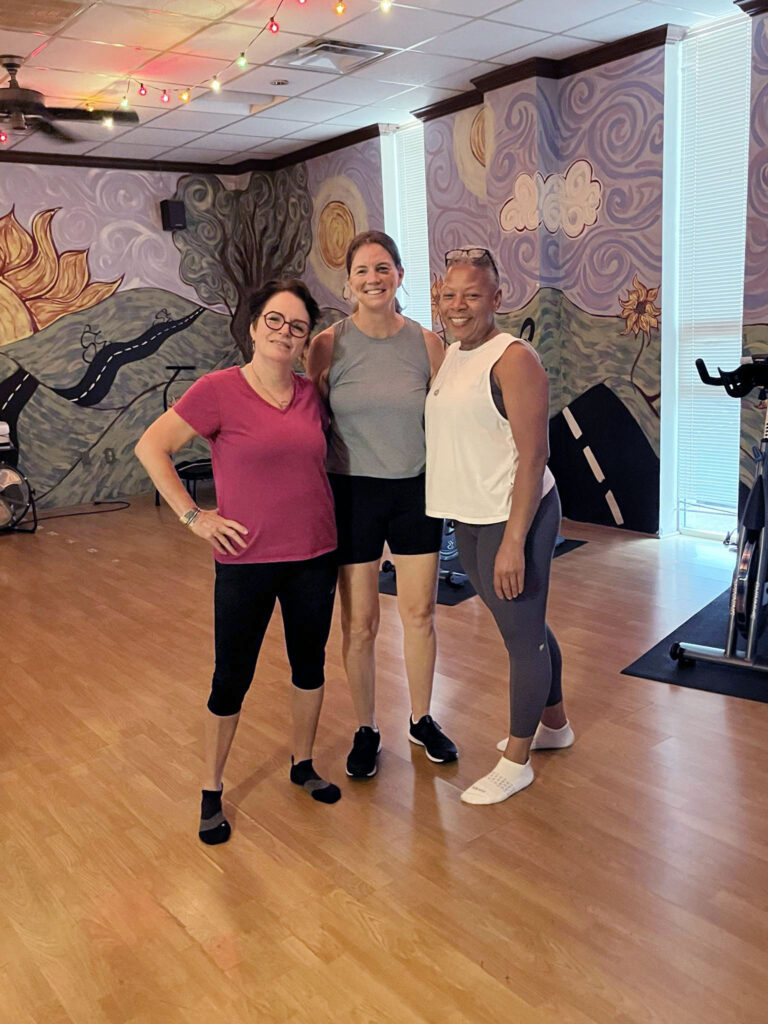
photo by Lisa Buckner
The good news? Safe, affirming, community-centered gyms do exist, and Memphis has some truly wonderful examples.
The first is Evergreen Yoga Center located in the heart of Midtown at 1541 Overton Park Avenue. They don’t just say you belong, they build their entire philosophy around it. Their welcoming message is front and center: “You belong in your body.” And from personal experience, I can attest that they mean it.
Evergreen is intentionally designed to be an affirming, energizing community for all body types, skill levels, and abilities. Their instructors adapt poses, props, and pacing to meet each student where they are, creating a practice environment that challenges without overwhelming. Their approach is systematic, supportive, and deeply human. Their classes welcome beginners, their teachers are patient and skilled, and their community is one of the most genuinely warm I’ve experienced in the city.
I still remember my first class at Evergreen Yoga Center. I walked in expecting to be the least flexible and clumsiest person in the room (and I probably was), but not once did I feel out of place. Not once did I feel embarrassed for trying. As a matter of fact, when needed, the instructor offered variations without making me feel singled out. It was the first time I realized yoga didn’t have to be a performance.
Another example is InsideOut Gym. Located at 2162 Courtland Place in Memphis, it has been a Midtown staple for decades, and it’s easy to see why. They offer 25 free classes a week for members, but what really sets them apart is the atmosphere. InsideOut is the opposite of intimidating. The environment cultivated at this gym is what I attribute for motivating my own physical growth and focus on health. Their staff is famously friendly, their instructors range from world-class athletes to beloved local coaches, and their classes are designed for everyone from beginners to athletes. They were also the first gym in Memphis to offer rowing and TRX (both of which I can proudly say I was a part of).
Shortly after joining InsideOut, I felt like I’d stumbled into a neighborhood I didn’t realize I belonged to. To me, it’s the kind of place where I could show up exactly as I am (mismatched socks and all) and still feel like part of the team.
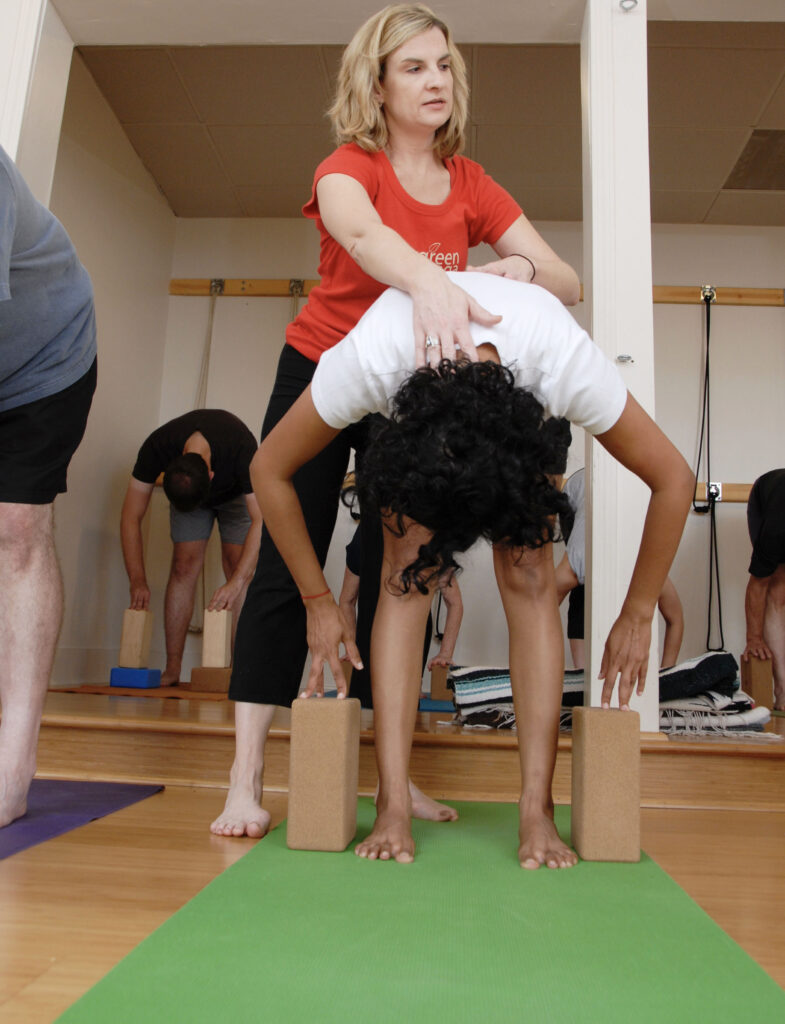
photo by Raleigh Roger
What I love most about places like Evergreen Yoga Center and InsideOut Gym is that they don’t treat fitness like a competition or a punishment. They treat it like a practice. Something I want to return to. Something that grew with me. Something that welcomed me back even after long absences. They’re proof that safe spaces aren’t abstract ideals. They’re real, tangible, lived-in places where people show up for themselves and each other. And the more we support gyms and studios that prioritize inclusion, the more of them we’ll see.
If you’ve ever walked into a gym and felt like you didn’t belong, I hope you know this: the problem was never you. The problem was the space. But spaces can change. Communities can grow. And you can absolutely find or create a fitness environment where you feel supported, affirmed, and strong in every sense of the word.
Strength isn’t measured in reps or miles or how long you can hold a plank without questioning your life choices. Strength is showing up. Strength is choosing yourself. Strength is walking into a space that once scared you and realizing you’re not scared anymore. And because our health is so important, we shouldn’t have to look far to find places that will welcome us with open arms.
If you are looking to improve your health in 2026, I give you my utmost support and respect. You will have good days and bad days, but I hope you keep moving forward at a pace that feels comfortable for you because you matter, and we want you here for a long time.
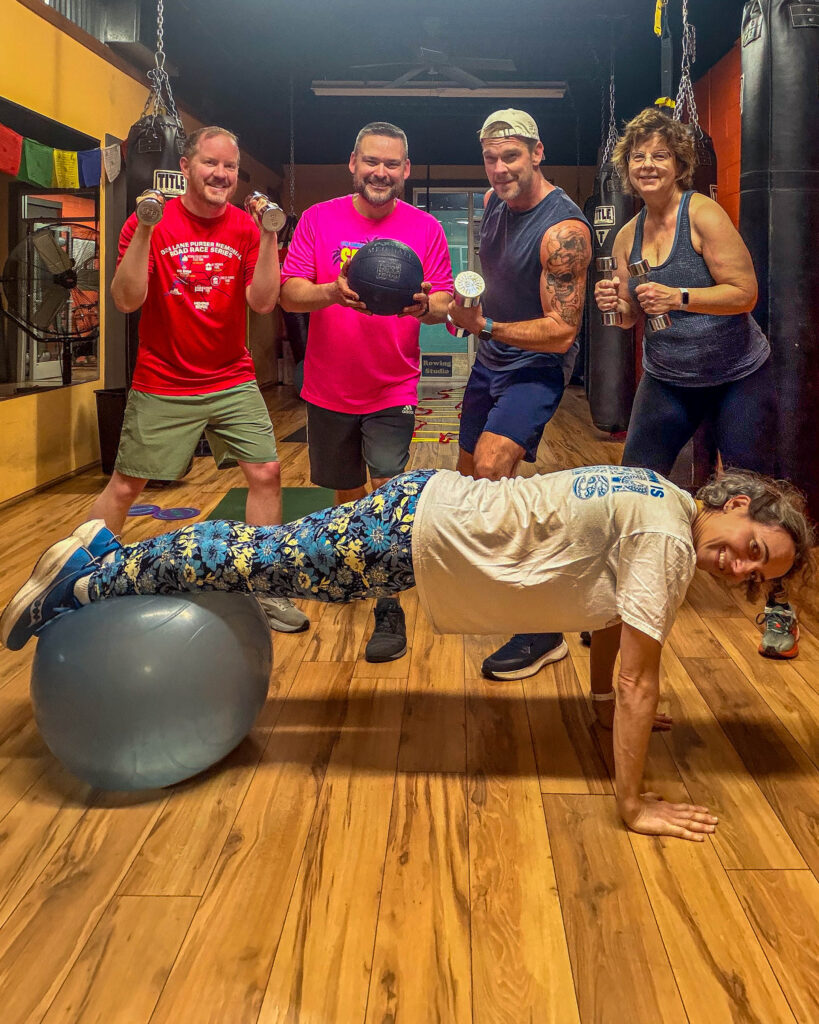
photo by Cary Vaughn
HOW TO FIND (OR BUILD) YOUR OWN SAFE SPACE AT A GYM OR FITNESS STUDIO
1. Pay attention to how the space feels
Do people make eye contact? Do staff greet you? Does the energy feel welcoming or competitive?
2. Look for diversity
Instructors, members, body types, ages, abilities. If everyone looks the same, the space may not be built with everyone in mind.
3. Ask questions before joining
Try asking:
• “How do you support beginners?”
• “Do you offer modifications in classes?”
• “What’s your approach to creating an inclusive environment?”
Their answers will tell you everything.
4. Start small
Try a beginner class. Try a private session. Try walking in, looking around, and walking back out. That counts too.
5. Bring a friend
This one is my favorite as it also helps with accountability.
6. Remember that you’re allowed to take up space
You don’t have to earn your place in a gym.
You already belong!

