


Special to Focus Mid-South
November 3, 1990, the date forever etched in Memphis LGBTQ+ history as the night Michelle Marie was gunned down on Winchester Road, her life cut short at the age of 40, her purse and identification stolen, her body left to be discovered in a brutal end that shocked a community already reeling from decades of marginalization.
Who Was Michelle Marie?
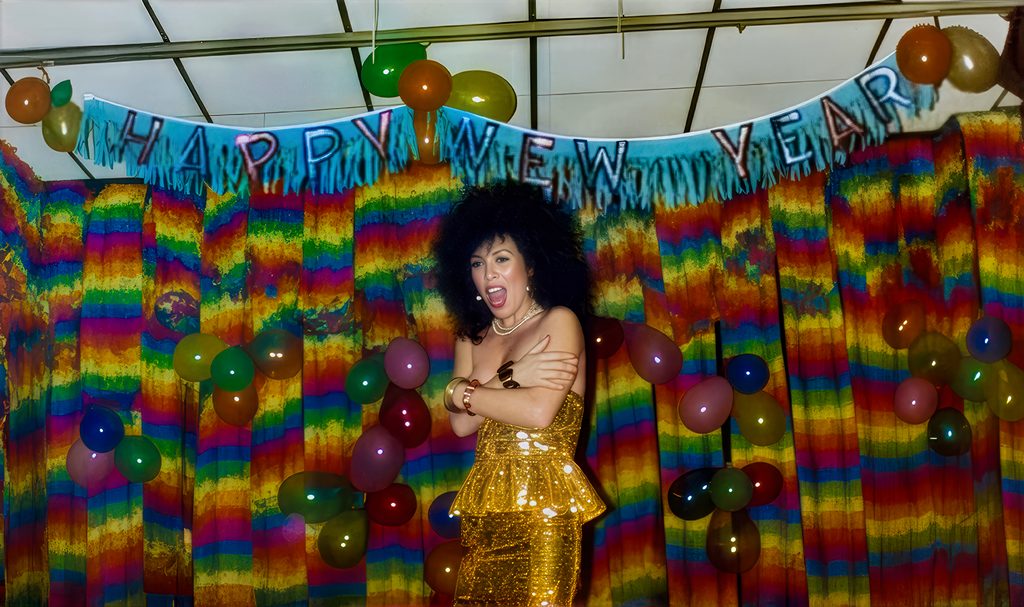
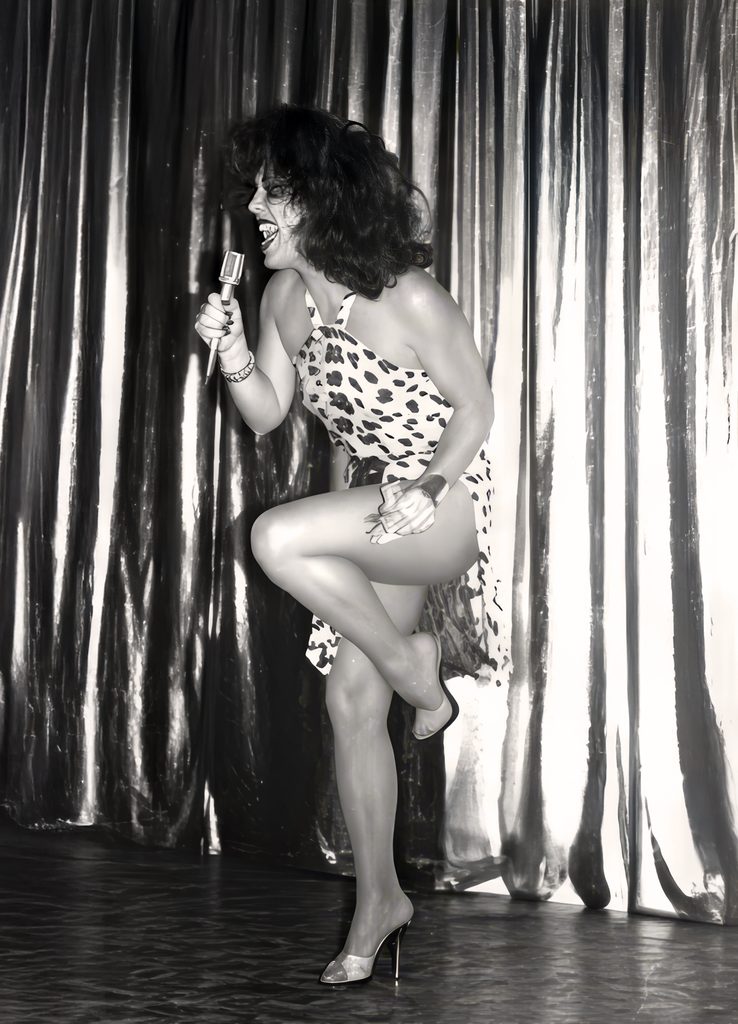
Michelle Marie (born Joe Michael Hays) was far more than a victim. She was a pioneering force in Memphis drag culture, a perennial mistress of ceremonies, and one of the most beloved female impersonators the city had ever known. With a vivacious personality, quick wit, and striking beauty that defied conventional gender expectations, Michelle commanded stages across Memphis for over two decades.
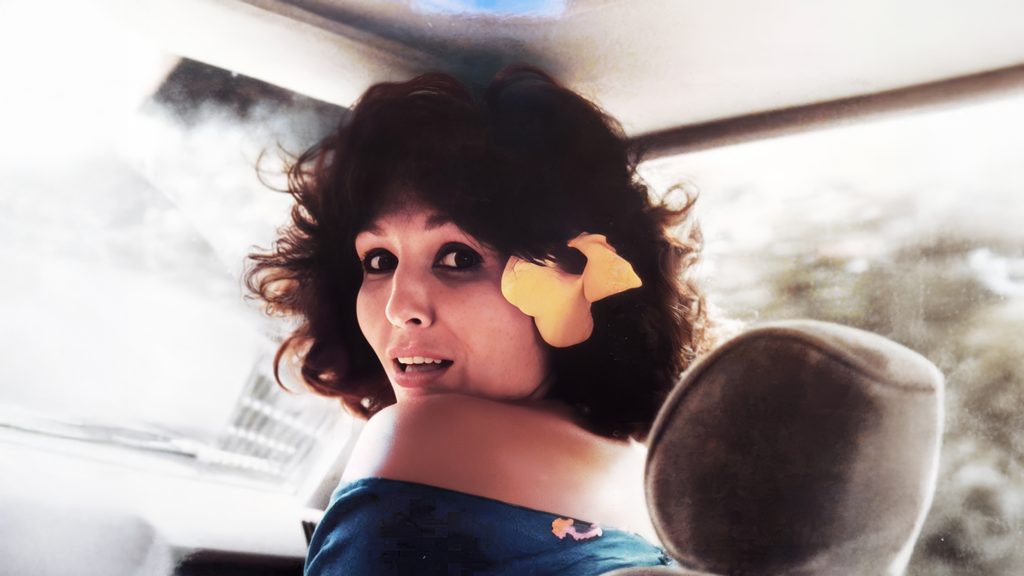
In 1973, she won the Miss Gay Memphis crown for the year 1974, cementing her status as royalty in the local gay community. She performed at virtually every gay stage Memphis had to offer: from the legendary original George’s on Madison in the late 1960s and early 1970s to countless fundraisers and pageants that sustained the community through dark times. Before her run as the familiar voice of Saturday nights at George’s on Marshall, Michelle was a 22-year-old junior at Memphis State in 1977, already carving out her place in Memphis nightlife.
Friends remembered her as someone who “loved entertaining and loved partying even more”. She had also won pageants in Florida, expanding her reach beyond the Mid-South. Her good looks, talent, and courage to live authentically as a female impersonator in the deeply conservative South of the 1960s-80s made her an icon of defiance and joy.
The Murder: November 3, 1990
On the evening of November 3, 1990, Michelle Marie was shot on Winchester Road in Memphis. She was found with a gunshot wound to the chest. Her purse and identification had been stolen, and it took nearly 24 hours for authorities to identify her body. The brutality of the crime and the theft of her belongings suggested either a robbery gone wrong or a hate crime rooted in transphobia, or both.
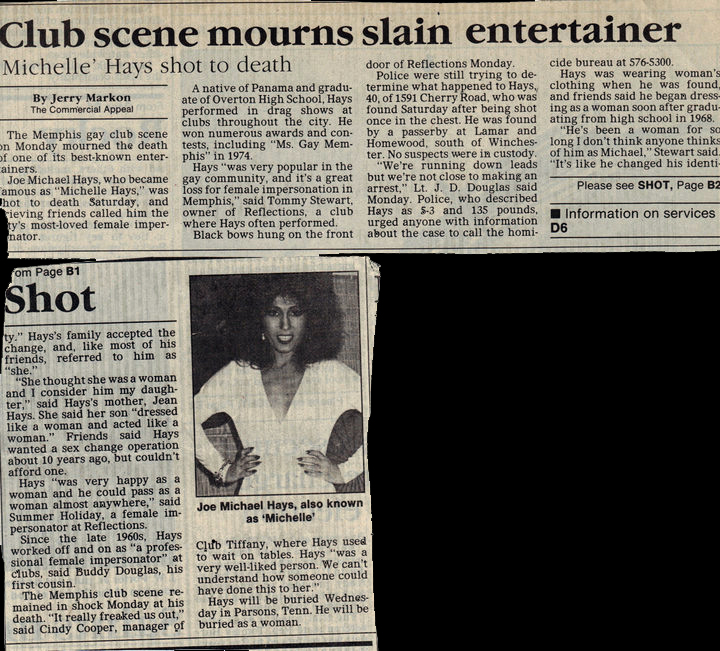
Friends later indicated that Michelle often carried a gun in her purse for protection. Since her purse was stolen, some speculated she may have been shot with her own weapon. Others believed the murder could have been a gay-bashing incident, particularly because Michelle also worked as a waitress at a straight bar, where a customer may have discovered she was assigned male at birth and reacted violently.
Still others speculated that drugs may have been involved, though no concrete evidence was presented to support this theory.
The shock rippled through Memphis’s gay community. Michelle had touched multiple generations of performers and patrons. She had been instrumental in early fundraising efforts and had performed at the original George’s when it opened its doors in the late 1960s, a time when simply existing openly as a gay or gender-nonconforming person in Memphis was an act of radical courage.
The Investigation: Leads, Speculation, and Silence
At press time in late November 1990, there were still no suspects in Michelle Marie’s shooting death. The case quickly went cold. Despite the community’s grief and the media attention, including surprisingly respectful coverage from the Commercial Appeal, which published articles acknowledging Michelle’s life “as a person, not as a freak”, no arrests were ever made.
The investigation faced several obstacles:
- Delayed identification: Because her purse and ID were stolen, it took nearly a day to identify Michelle, losing precious investigative time.
- Marginalization: As a transgender woman in 1990 Memphis, Michelle existed in a community already pushed to society’s margins. Police investigations into crimes against LGBTQ+ individuals were often deprioritized or mishandled.
- Witness reluctance: Fear of being outed or targeted themselves likely kept potential witnesses silent.
- Lack of forensic technology: DNA analysis and other modern forensic tools were not as advanced or accessible in 1990.
The Aftermath: A Community Mourns
Michelle’s memorial service was packed. Friends and admirers filled the chapel until the crowd overflowed. Several attendees arrived beautifully made up and tastefully dressed to pay tribute to someone who had lived her truth with style and courage. A tribute and benefit show was held on November 25, 1990, at 10 p.m. at Reflections to raise money for funeral expenses not covered by insurance and to purchase an appropriate headstone for Michelle.
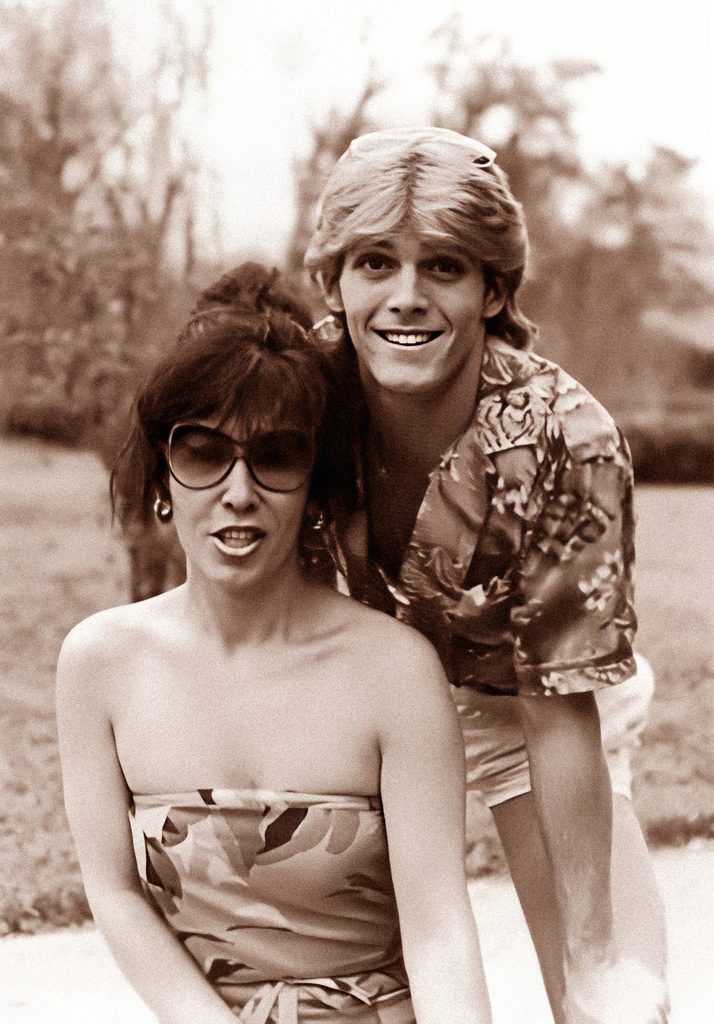
The outpouring of love stood in stark contrast to the violence that had taken her life. For a community that had endured decades of police raids, legal persecution, and social ostracism, Michelle’s murder was both a personal tragedy and a grim reminder of the dangers LGBTQ+ people, especially trans women and drag performers, faced simply for existing.
The Outcome: Unsolved
More than 34 years later, Michelle Marie’s murder remains unsolved. No suspect was ever charged. No weapon was ever recovered. No justice was ever served.
Her case is memorialized on the Transgender Day of Remembrance (TDoR) website, which honors trans individuals killed by violence. An advocate in 2020 created a Facebook page to raise awareness for Michelle’s unsolved murder, hoping renewed attention might finally bring answers.
Michelle Marie is survived by her mother, sister, and brother. She left behind a legacy woven into the fabric of Memphis LGBTQ+ history, a legacy of resilience, artistry, community service, and unapologetic authenticity.
Cultural and Historical Significance
Michelle Marie’s story is inseparable from the history of George’s nightclubs and the broader Memphis LGBTQ+ community. George’s Theatre Lounge and George’s Disco were more than bars: they were safe havens, spaces where drag queens, gay men, lesbians, and gender-nonconforming people could gather, perform, and simply be in a hostile world.
Michelle was part of the first wave of Memphis drag royalty, performing alongside legends like Trixie Thunderpussy, Renee Williams, and the incomparable Miss Joanne. These performers didn’t just entertain; they built community, raised money for early AIDS organizations like ATEAC/Friends For Life, and modeled courage for younger generations.
Her murder underscores the violence and erasure transgender and gender-nonconforming people have faced throughout history. In 1990, hate crime laws did not protect LGBTQ+ individuals. Trans panic defenses were common. Media often misgendered victims or sensationalized their deaths.
Remembering Michelle Marie
Michelle Marie Joe Michael Hays deserves to be remembered not as a statistic, but as a pioneer, an artist, a friend, and a fighter. She won crowns. She raised money for the sick and marginalized. She made people laugh. She lived openly in a time and place where that could, and did, cost her everything.
Her murder remains unsolved. But her memory endures in the hearts of those who knew her, in the archives of Memphis LGBTQ+ history, and in every performer who steps onto a Memphis stage and claims their truth.
Michelle Marie: 1950–1990. Miss Gay Memphis 1974. Icon. Legend. Unforgotten.
If you have any information about the murder of Michelle Marie (Joe Michael Hays) on November 3, 1990, please contact Memphis Cold Case Investigators.
Rest in power, Michelle. Your light still shines.
This story was created with research from Tracy Love and info from archives in LGBTQ Memphis.

