

photos and story by Tricia Dewey
Museums preserve treasures. Whether devoted to art, science, culture, or ideas, they help tell humanity’s story and ensure important histories endure.
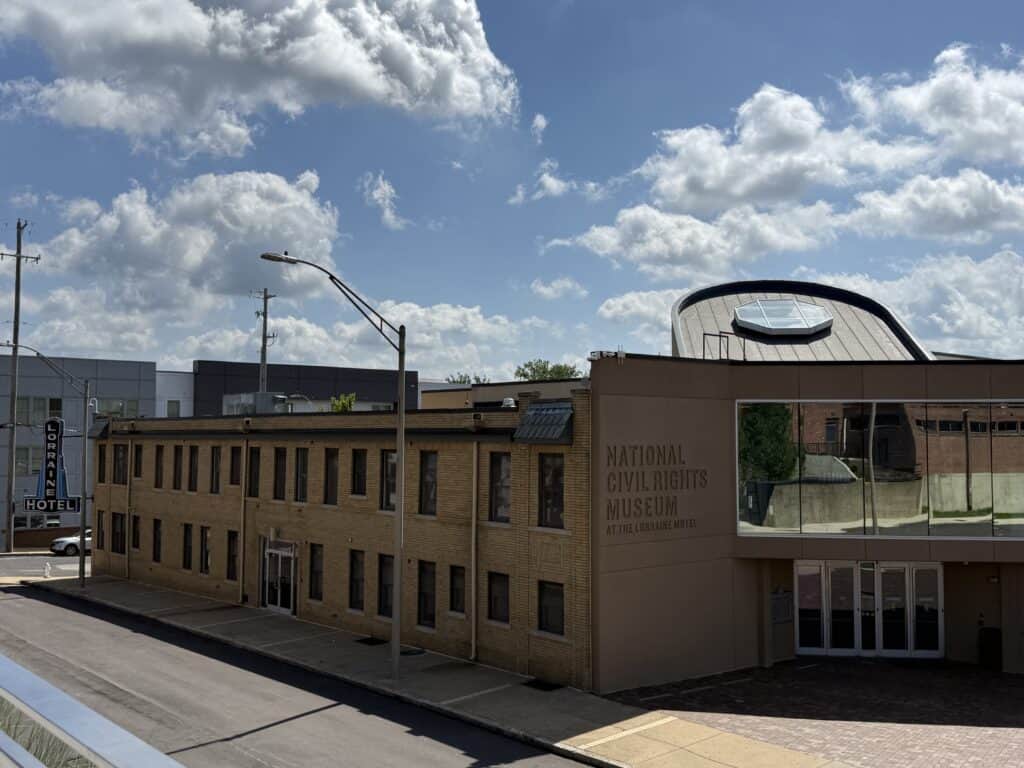
In Memphis, a group of community leaders recognized such a need in 1982 when they saved the Lorraine Motel from foreclosure. Their efforts led to the creation of the National Civil Rights Museum (NCRM), which opened in 1991 and transformed the historic site into a place dedicated to preserving and sharing the story of the Civil Rights Movement.
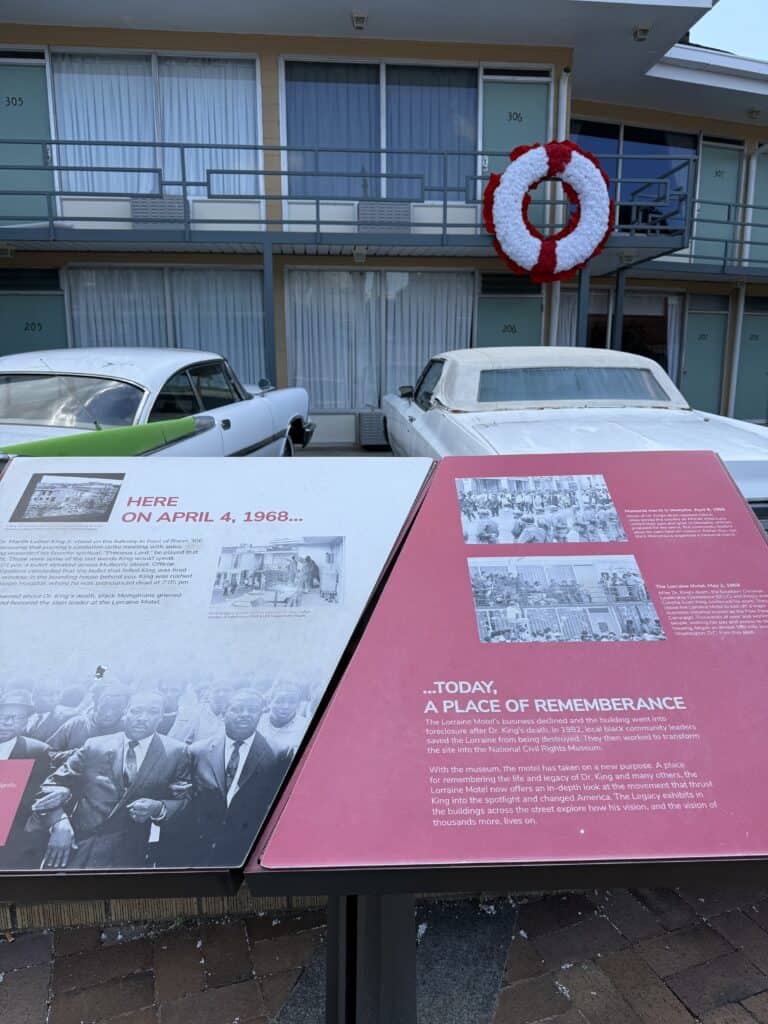
Anyone who has moved through the museum understands its power. Visitors step inside a replica slave ship, sit in a recreated Birmingham jail cell while hearing Dr. Martin Luther King Jr.’s “Letter from the Birmingham Jail,” and board a replica of the Montgomery bus where Rosa Parks made her historic stand. The experience culminates with a view of Room 306, where King stayed before his assassination on April 4, 1968.
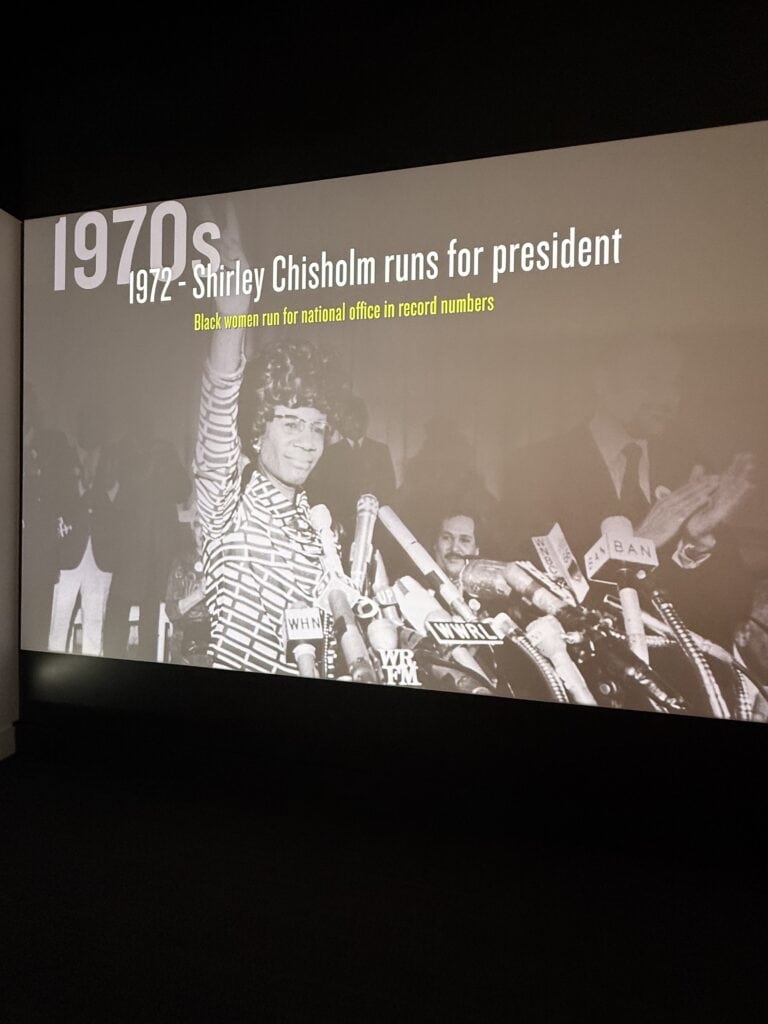
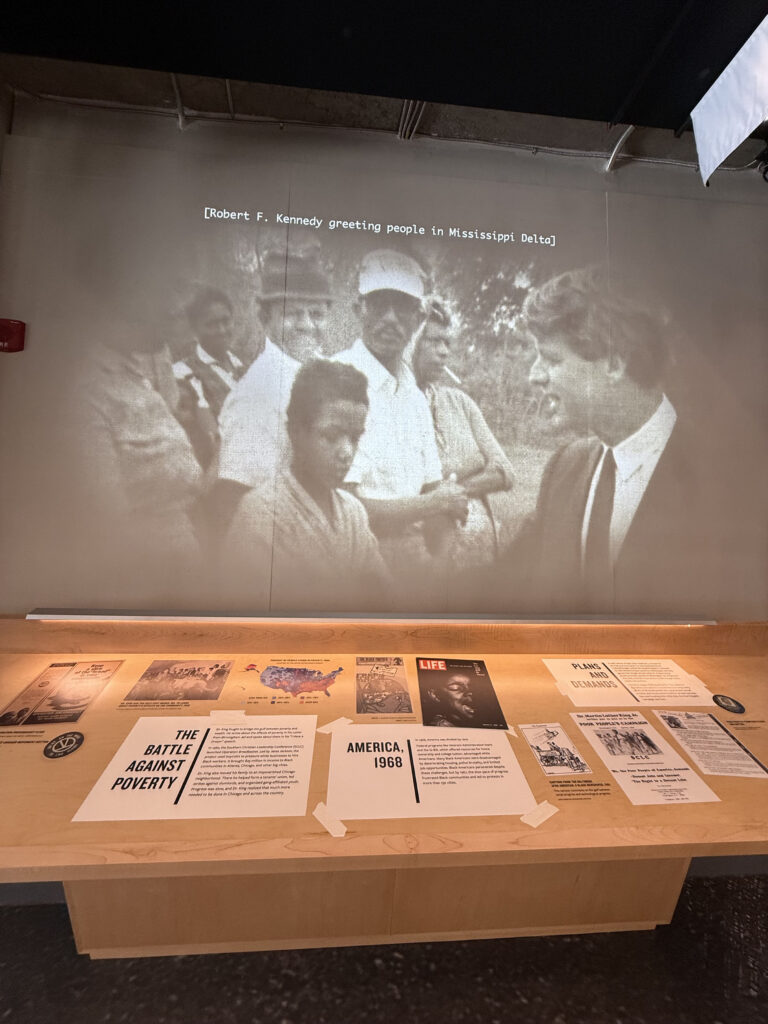
The museum uses every available form of expression—audio, video, maps, lighting, texture, and immersive environments—to communicate the history, emotion, and impact of the Civil Rights Movement.
When the museum acquired the boarding house across Mulberry Street and opened the Legacy Building in 2002, it expanded its mission. The new space explored King’s assassination and began addressing a question he posed in his final book, Where Do We Go From Here?
In 1967, King wrote, “We are confronted with the fierce urgency of now. In this unfolding conundrum of life and history there is such a thing as being too late…. This may well be mankind’s last chance to choose between chaos or community.”
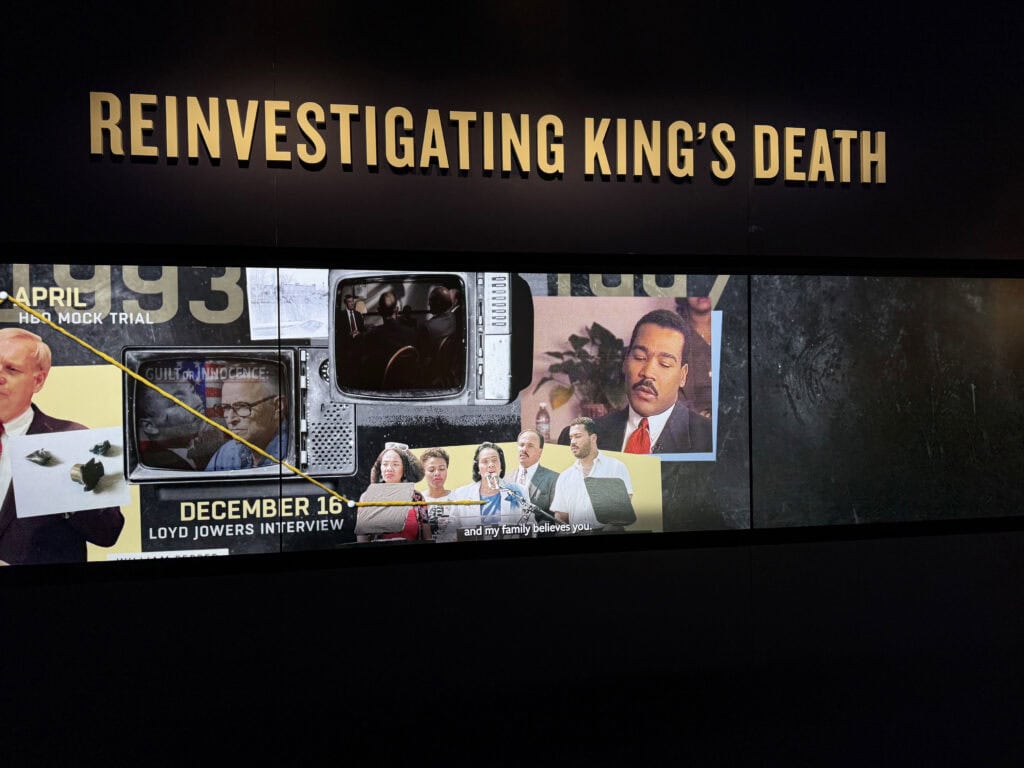

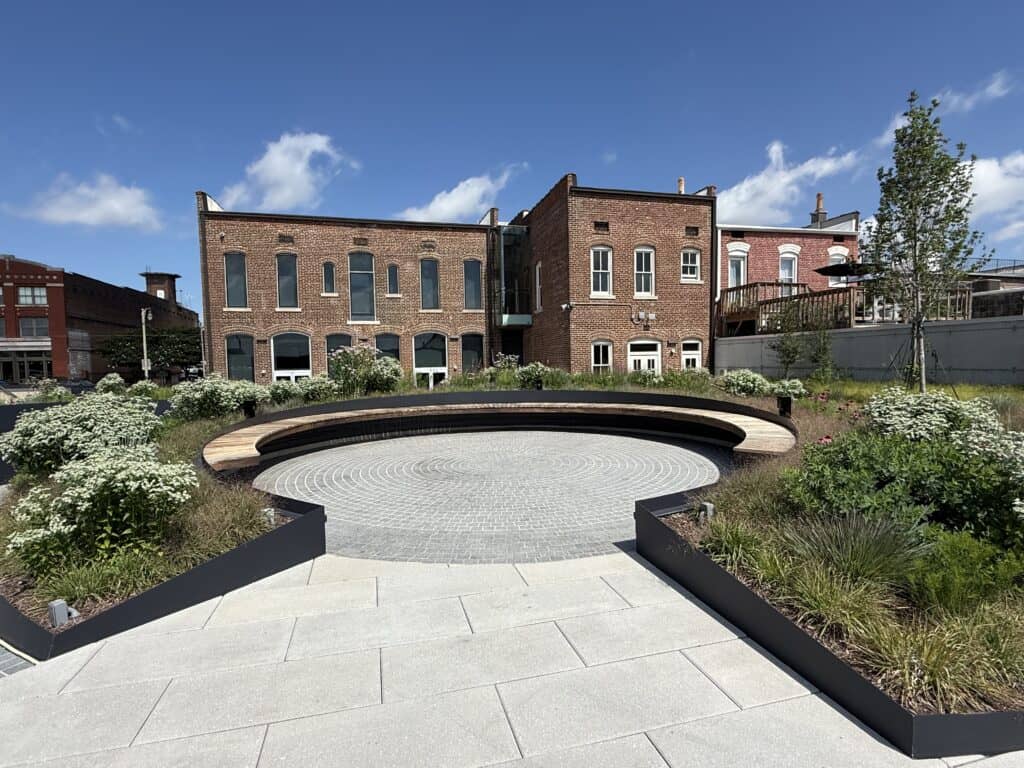
Following a three-year closure and a $55 million renovation led by Self+Tucker Architects, with Ohio State University historian Dr. Hasan Jeffries serving as lead scholar, the Legacy Building reopened on May 16, 2026. The renovation also included Founders Park and introduced a renewed vision for exploring the post-King era of the Civil Rights Movement.
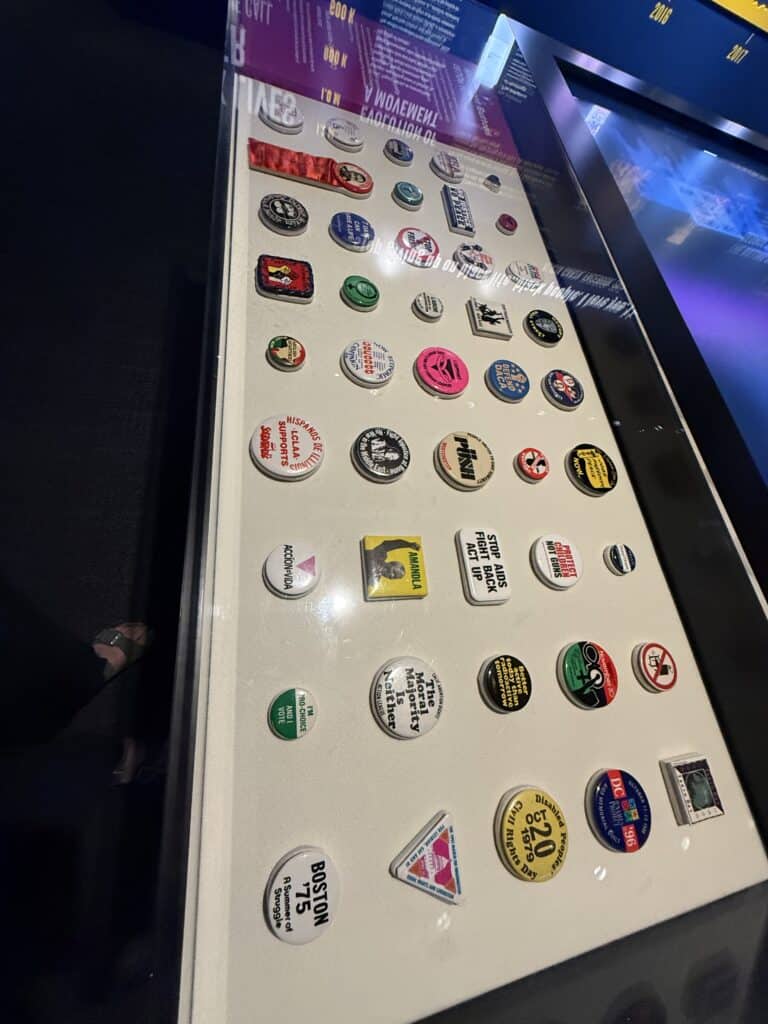
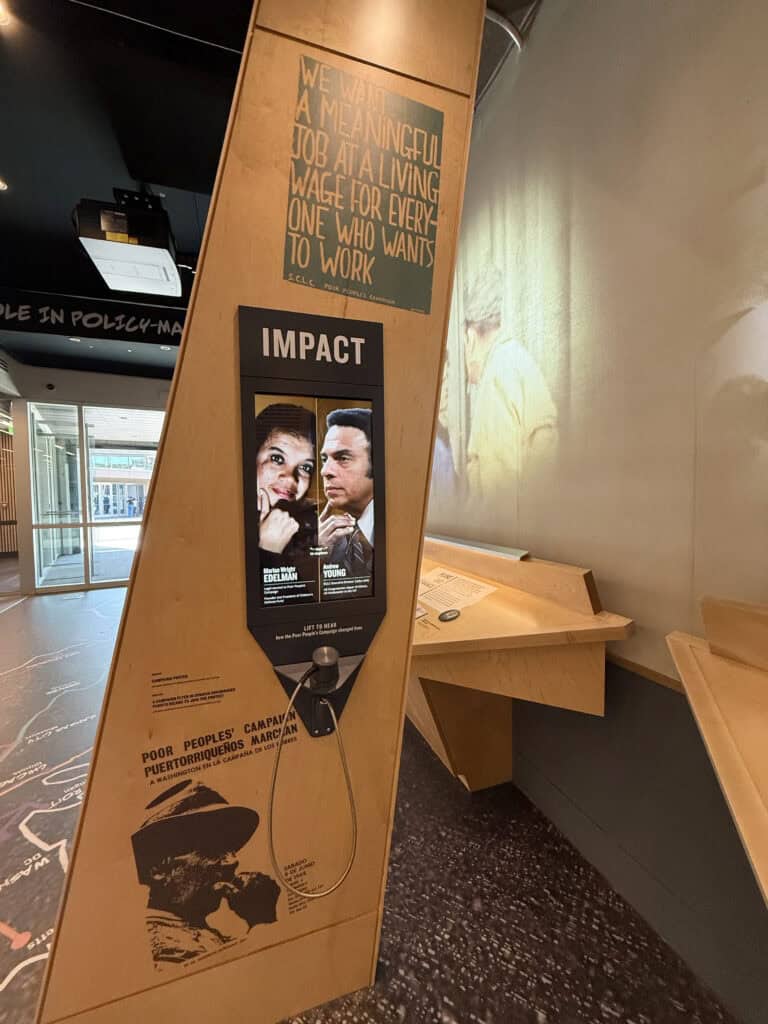
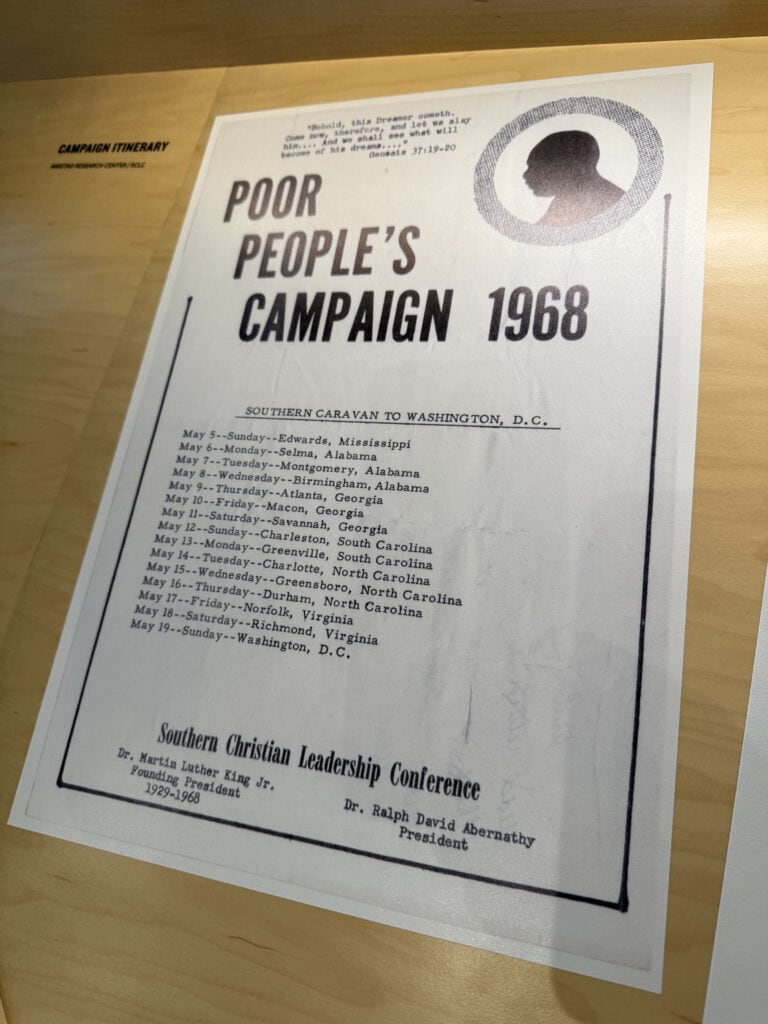
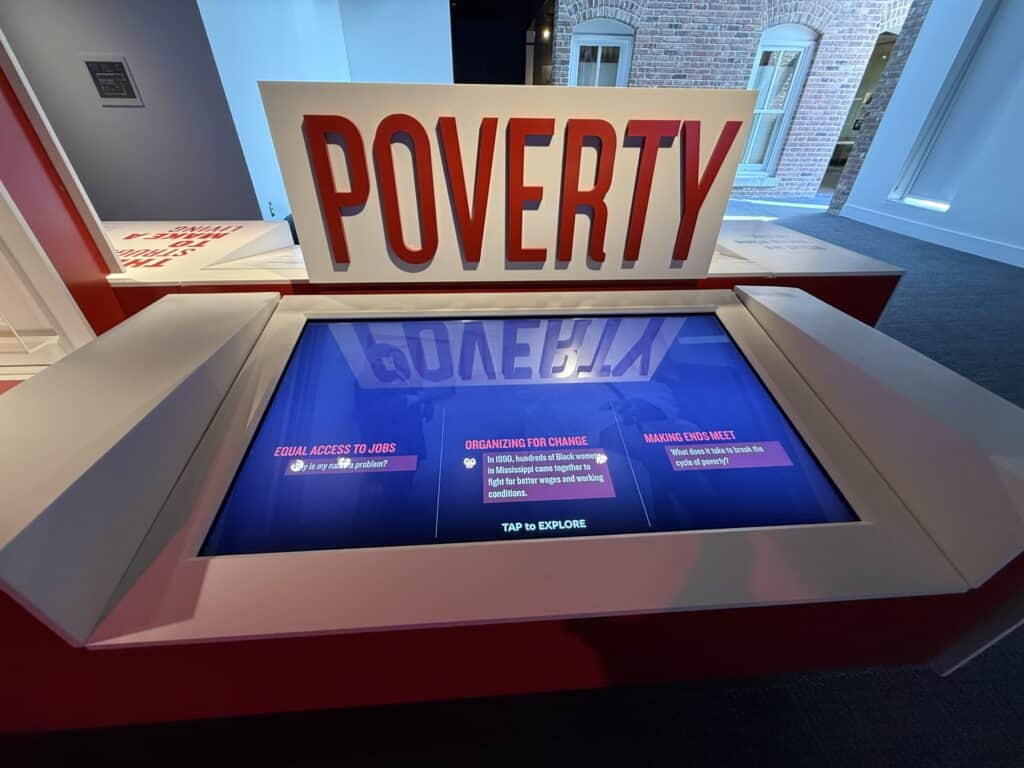
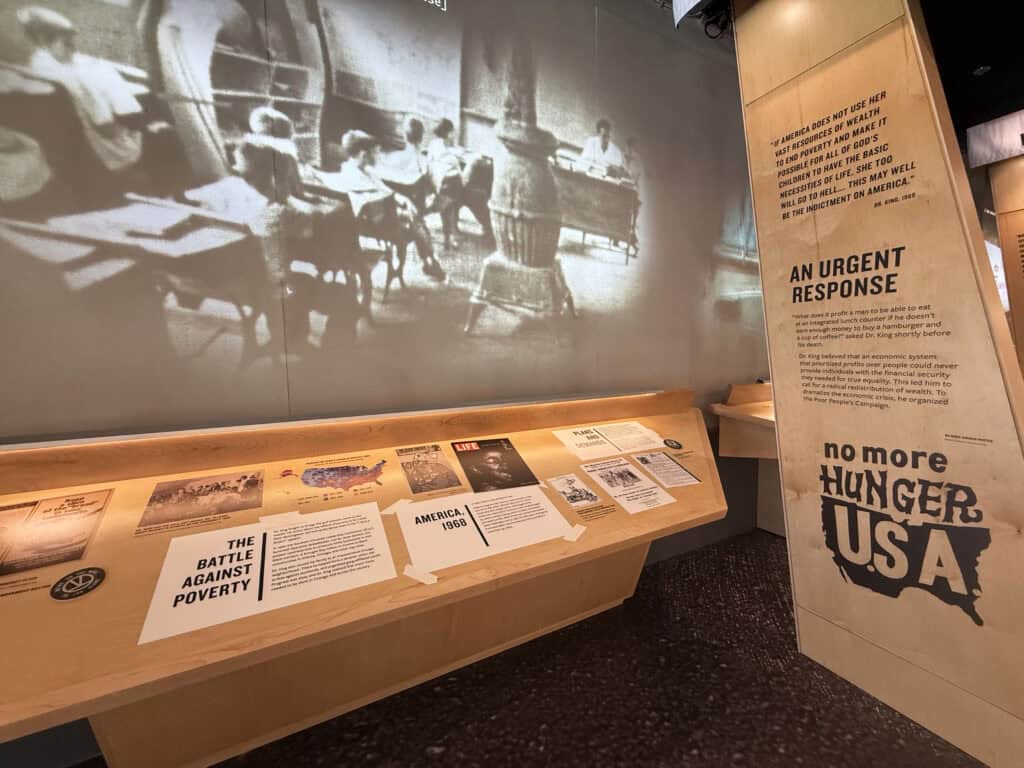
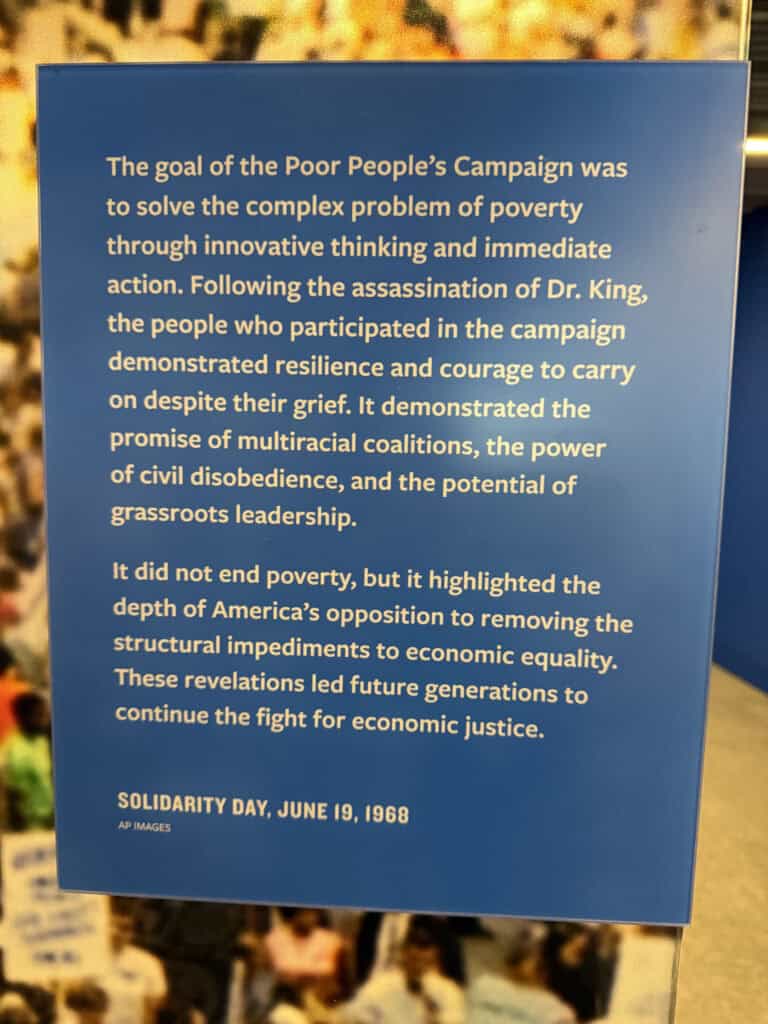
The reimagined Legacy Building examines social justice movements that emerged after King’s assassination through interactive exhibits addressing topics such as the Poor People’s Campaign, voting rights, George Floyd, Black Lives Matter, Tyre Nichols, and the voices of Freedom Award recipients. Like the main museum, the exhibits rely on audio, video, lighting, texture, touchscreens, and large-scale projections to immerse visitors in the facts, emotions, and urgency of these movements.
By presenting history through multiple forms of expression, the museum encourages visitors to consider their own place within it. How would I have responded? How would those voices have affected me? What will I do now?
In this Q&A with Focus, Dr. Russ Wigginton, president of the National Civil Rights Museum since 2021 and a former Rhodes College history professor, discusses the vision behind the new Legacy Experience.
What was the impetus for the renovation of the Legacy Building? How long did the renovation take and how do you feel that the focus of the exhibit changed?
After MLK50, we felt the energy of that moment, and then we looked at the data. Visitors were leaving Room 306 and not crossing over to the Legacy Building. That told us something important: the building had more to give, and we weren’t giving it the chance. At the same time, people kept asking us, “What happened after Dr. King died?” Over the three and a half years of the renovation process, that question became our compass. We knew we needed to pick up the story after 1968, not just chronologically, but thematically, so that the Civil Rights Movement feels ongoing and personally relevant to every person who walks through that door.
Who is the target audience for the renovation?
We built this for everybody, but we had a specific person in mind: a young person, maybe a college student, who has never had a direct, personal connection to the Civil Rights Movement. Someone for whom the Movement feels like something that happened to other people, in another time. We wanted to change that. We want visitors to leave understanding that the Movement isn’t a chapter in a textbook. It’s the context for everything happening right now. Is it the relationship between the traditional Movement and today’s Movements? We want it to feel like it’s right in the palm of their hand.
Who was involved in planning the exhibits and the content that was included? Have you had feedback from museumgoers or others about the exhibit?
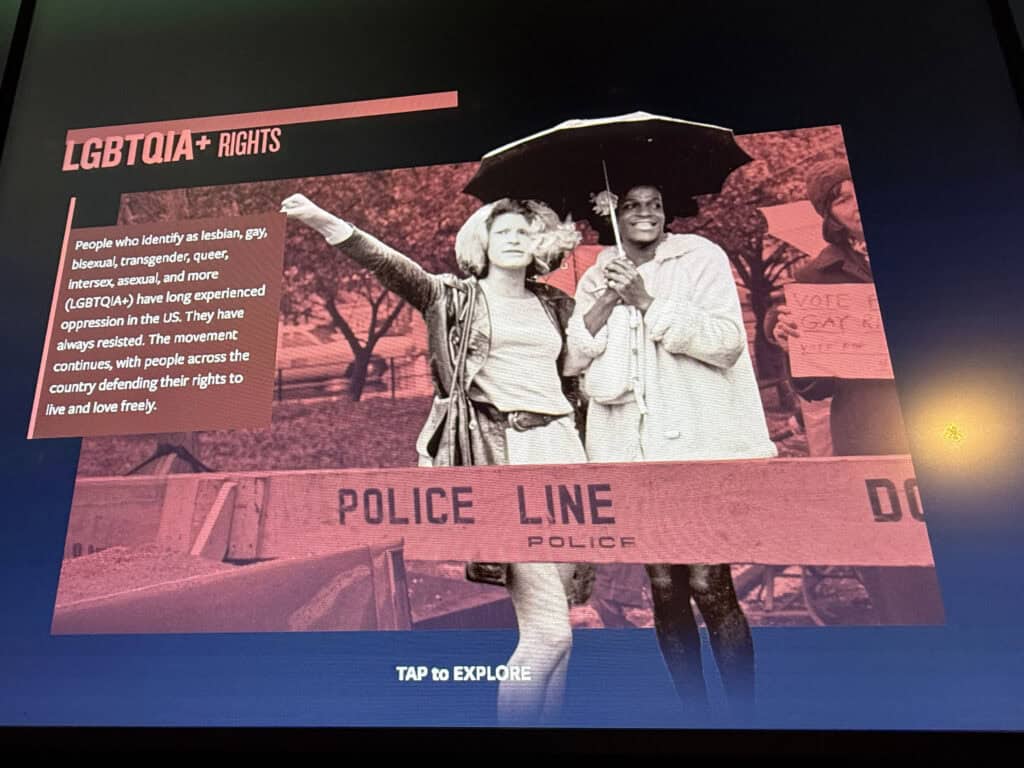
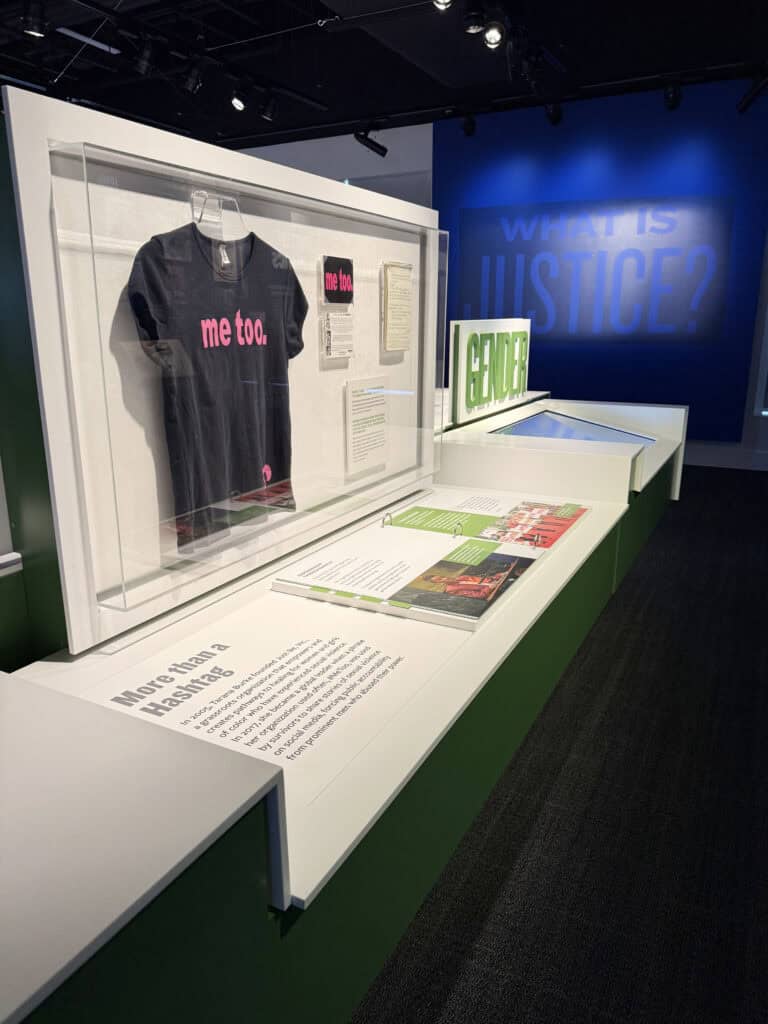
The process was as broad as the mission. We brought together museum staff, a national team of scholars, subject-matter experts across both the historic civil rights era and the present day, college students, and our board of trustees. We wanted as many voices at the table as possible, and it shows in the result. The early feedback has been deeply affirming. People appreciate the range of topics and the recognition that we all learn differently. They’ve been moved by the stories of lesser-known individuals finally being given the space they deserve. And they’ve responded to the exhibit’s willingness to take on issues that are still with us – police brutality, gender discrimination, and the silencing of LGBTQ+ voices. Those aren’t comfortable topics. But they’re honest ones. And our visitors are responding to that honesty.
The theme of this issue of the magazine is “Express Yourself.” The exhibits seem to come at the viewer visually and audibly, even physically in the way it moves uphill on the first floor, becoming more difficult to make forward progress. Can you tell us about some of the discussions that led to the design to communicate the content?
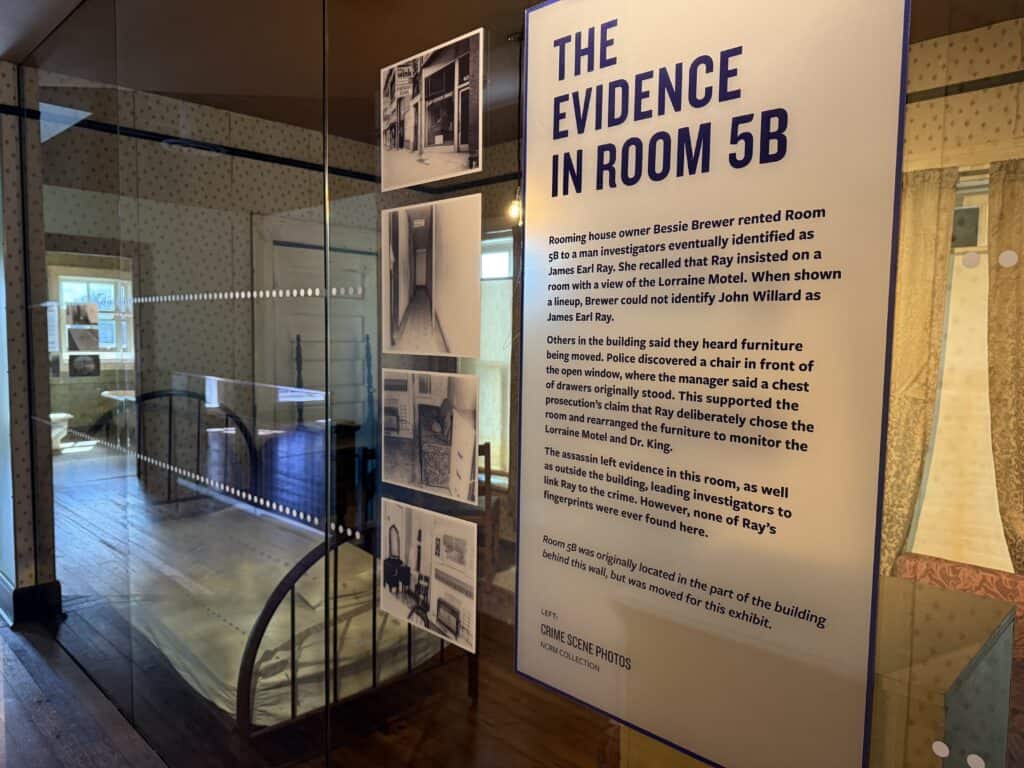
We had a wide-open canvas in that building, except for the spaces directly connected to the assassination. We treated those spaces with deep intentionality. What we chose to do was reframe the assassination story itself: we designed an experience that challenges visitors to ask not only who killed Dr. King, but why. Those two questions live together in that space, and they have to be wrestled with simultaneously. That reframing set the tone for everything else in the building. This is a place that will inform you, challenge you, and refuse to let you stay comfortable.
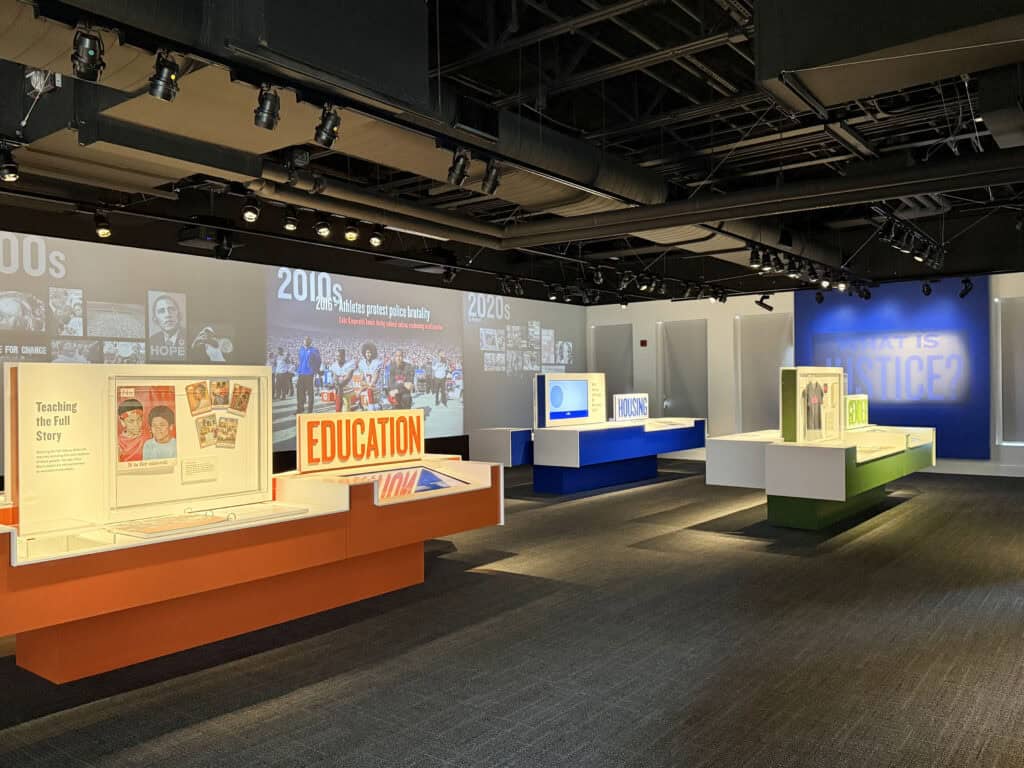
That spirit gave us room to go further. On the third floor, for example, we built on the framework from Dr. King’s final book, Where Do We Go From Here?, including his pillars of education, poverty, and housing, and we added two more: nonviolence and gender. Those five pillars opened the door to stories from the last 50 years that simply couldn’t have been explored any other way in this space.
How important was it to include interconnected social movements to the exhibit?
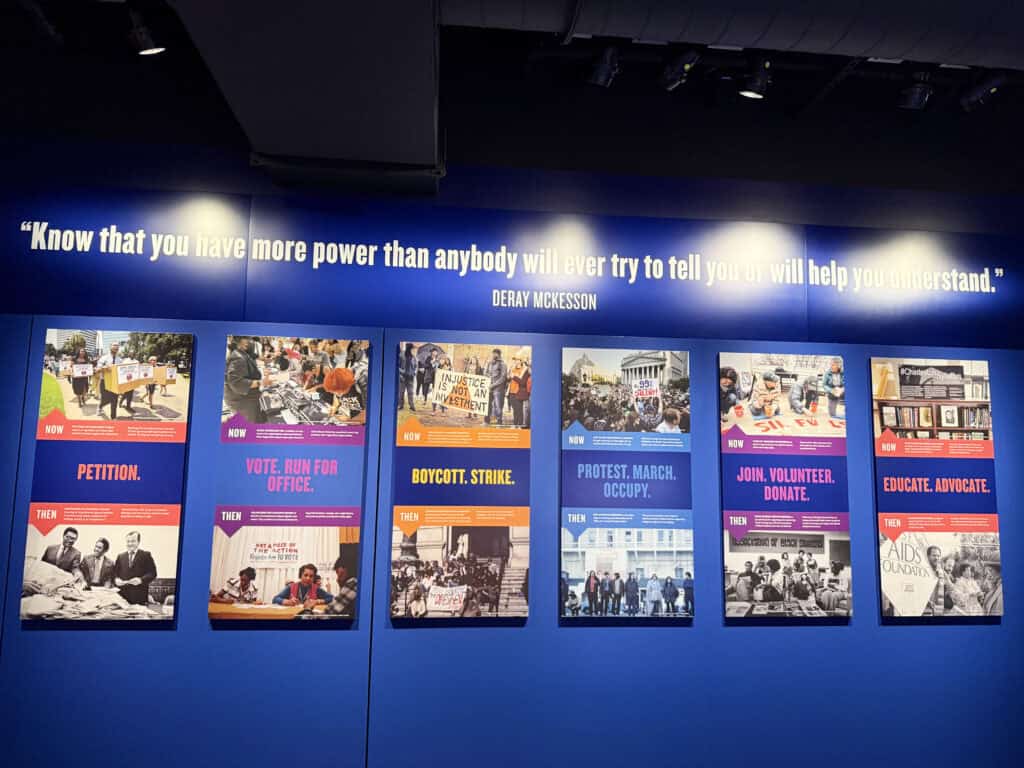
It was essential. Not optional, not supplementary. Central. The Lorraine Building tells the story of the traditional Civil Rights Movement in chronological order. The Legacy Building answers the question of what came next. What we found is that when you approach the last 50 years thematically, interconnectivity becomes inevitable. One movement borrows courage from another. One generation passes the baton to the next. Telling those stories side by side, whether it be the environmental justice movement, the LGBTQ+ rights movement, or the women’s movement, shows visitors that none of these struggles happened in isolation. And it communicates something we deeply believe. You don’t have to be exceptional to be part of a movement. Everybody has a role. Everybody has something to contribute. That’s not a slogan. It’s the architecture, the foundation of this exhibit interpretation.
What kinds of programming will be upcoming at the Legacy Exhibit in the near future? What are your thoughts about the connection of the Legacy Exhibit to the Memphis community and especially the youth of Memphis?
The renovation was designed with flexibility as a core principle. We have rotating exhibition space, temporary galleries, classrooms, reflection spaces, and exhibit structures that can change as the world evolves. This isn’t a static museum. It’s a living one. As for youth, we opened the Legacy Experience with Memphis youth’s work already on the walls. Artwork by local high school students is featured in the reopening exhibition at the Bank of America Gallery. That was intentional. We are signaling from day one that the community isn’t just the audience for this museum. The community is the museum. We want young people everywhere to know that their stories, their voices, and their visions belong here.
What future expressions do you anticipate for the Legacy Exhibit?
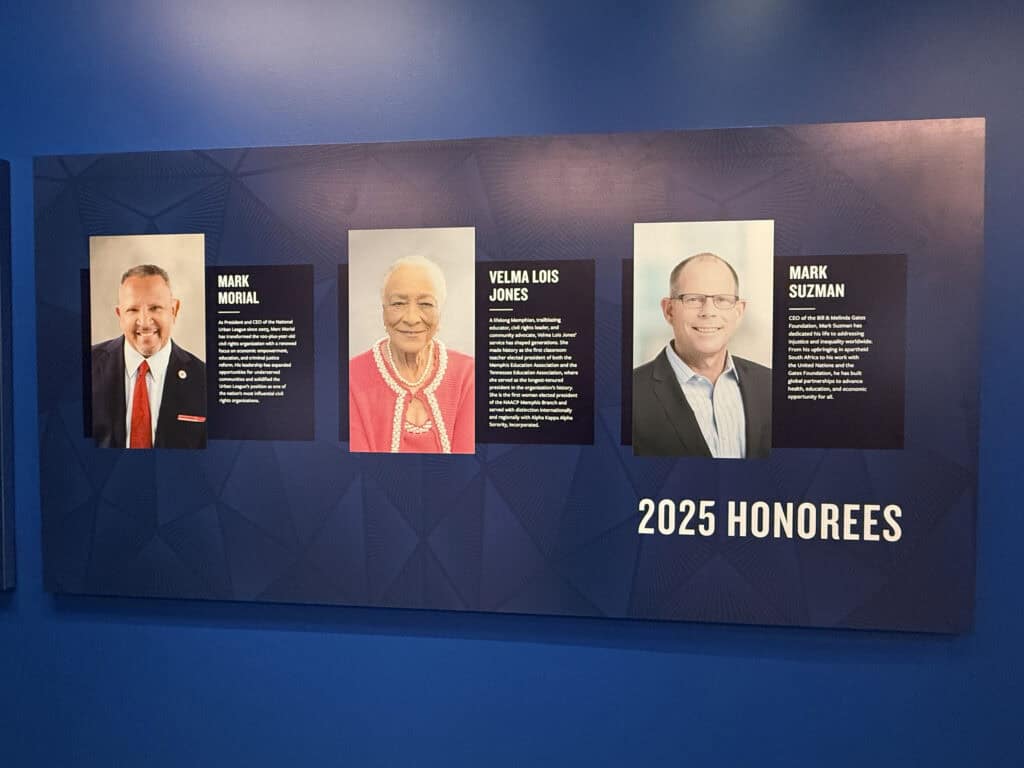
We closed the exhibit with a gallery dedicated to hope and a question: What do you hope for? Visitors can respond in the moment, after everything they’ve just experienced. That space is built to grow. As our society faces new trials, new struggles, and new reckonings, the Legacy Building is designed to hold those sentiments, to reflect the community back to itself. We also hope that by building around themes, we’ve made it easier for people of all backgrounds, locally, nationally, and internationally, to see themselves in this story and feel a sense of ownership in it.
Is there anything else you want to add about the impact of the Legacy Exhibit and its updated expression?
I hope the Legacy Experience changes how people think about what a museum can be. Not a repository of the past. Not a place of artifacts under glass. But a living space where the stories of yesterday and the urgencies of today are in constant conversation, and where that conversation shapes what we do tomorrow.

