


As the hit survival drama enters its final season, its complicated queer relationships, morally messy characters and devoted fandom remind us that representation doesn’t always have to be pretty.
Special to Focus magazine
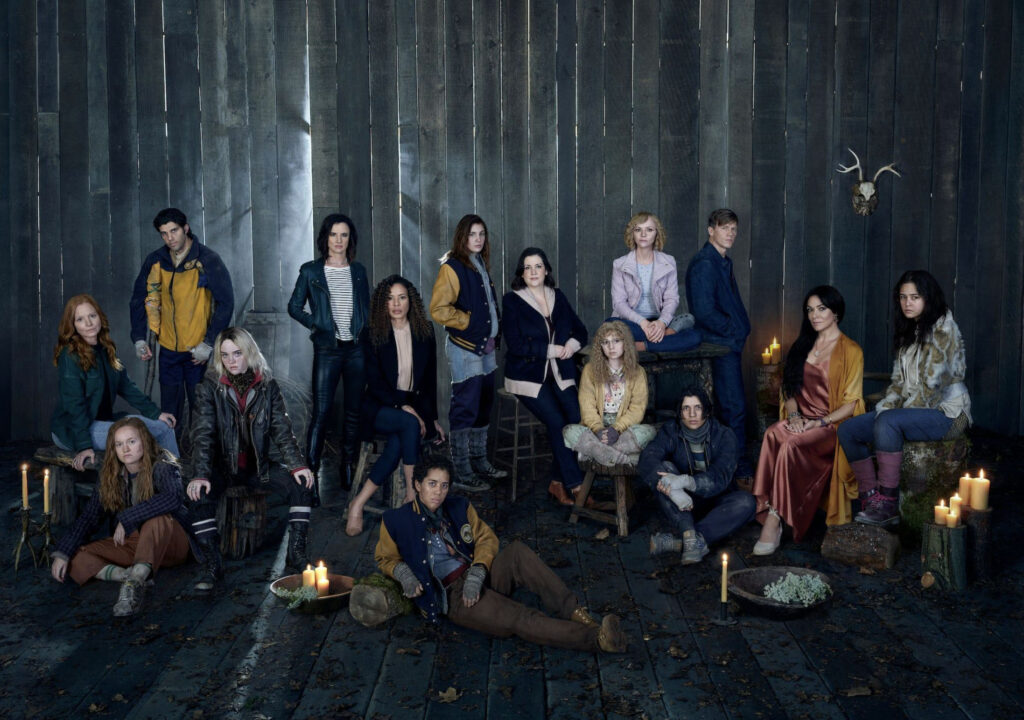
There are television shows about survival, and then there’s Yellowjackets.
Part psychological thriller, part coming-of-age nightmare, the series has spent four seasons exploring what happens when teenage friendships, secrets and trauma follow people into adulthood. Add cannibalism, supernatural mysteries and some seriously questionable decisions, and you’ve got one of television’s most unusual dramas.
But beyond the horror, Yellowjackets has developed a particular appeal for LGBT+ viewers. Its queer characters aren’t simply there to represent an identity. They’re allowed to be complicated, selfish, loving, destructive and, occasionally, completely unhinged.
And that’s part of what makes the show so compelling.
Taissa and Van Give Yellowjackets Its Queer Heart
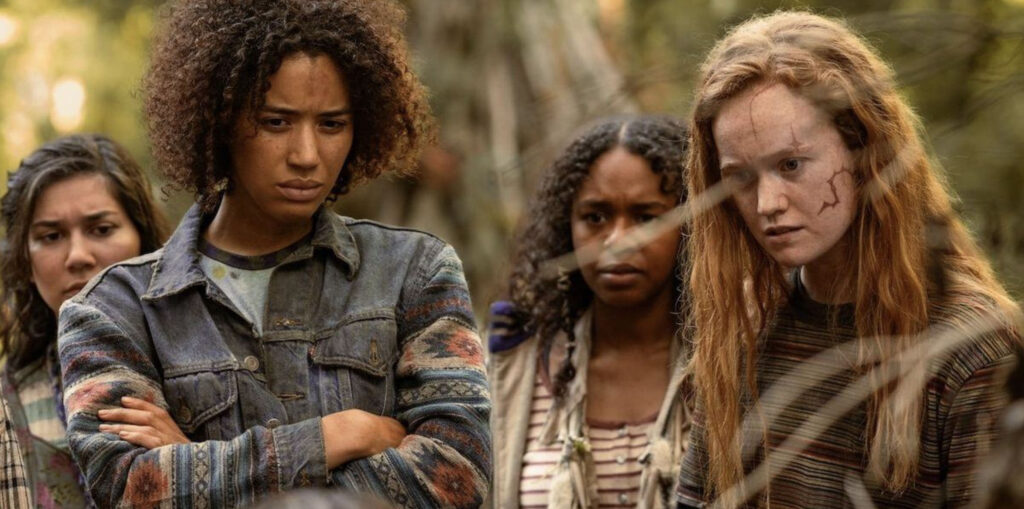
At the center of the show’s LGBT+ representation are Taissa Turner and Vanessa “Van” Palmer, whose relationship begins long before their soccer team’s plane crashes in the wilderness.
Played as teenagers by Jasmin Savoy Brown and Liv Hewson, Taissa and Van share a relationship that evolves through unimaginable circumstances. Their connection is tender, sometimes turbulent and rarely simple.
The series also explores their lives as adults, with Tawny Cypress portraying Taissa and Lauren Ambrose playing Van.
What makes their relationship refreshing is that their sexuality isn’t treated as the central tragedy. They face the same horrifying circumstances as everyone else, and their relationship is shaped by survival, loyalty, and the decisions they make along the way.
In a November 2026 interview with GO Magazine, Brown reflected on the importance of queer characters having stories that extend beyond their identities.
She explained that the show’s queer characters could experience love and trauma without their sexuality being the source of their suffering.
For viewers accustomed to LGBT+ characters whose stories revolve around coming out, rejection, or discrimination, that distinction matters.
Taissa and Van aren’t perfect. They don’t need to be.
They’re human, even when the circumstances around them are anything but.
Yellowjackets Lets Women Be Messy
One of the show’s greatest strengths is its refusal to make its female characters likable all the time.
Shauna, Misty, Natalie, Lottie and the rest of the surviving Yellowjackets are capable of love, cruelty, jealousy and extraordinary acts of self-preservation.
These women lie. They betray one another. They make decisions that leave viewers yelling at their televisions.
And somehow, we keep rooting for them.
For queer audiences, there’s something appealing about storytelling that rejects the expectation that women, especially queer women, must always be admirable or morally uncomplicated.
Melanie Lynskey, who plays adult Shauna, addressed that freedom in a recent interview with GO Magazine, expressing her desire to see more female-driven and queer stories featuring unconventional characters.
The result is a series where women aren’t confined to being heroes, villains, or supporting characters in someone else’s story.
They’re the entire story.
The Yellowjackets Fandom Loves a Good Theory
Of course, it wouldn’t be Yellowjackets without the fandom.
From debates about the mysterious wilderness to endless speculation about the characters’ relationships, the series gives viewers plenty to obsess over.
Its dual timelines invite audiences to search for clues, compare details, and question nearly everything they see.
Queer fans have also found plenty of material for conversations about identity, desire, loyalty and the emotional connections between the characters.
Some relationships are explicitly romantic. Others invite interpretation, giving viewers room to explore the blurred lines between friendship, obsession and attraction.
That ambiguity is part of the fun.
And while not every fan theory will turn out to be true, the conversations surrounding the series have become part of the viewing experience.
The show’s LGBT+ visibility also extends to its cast.
Liv Hewson, who portrays teenage Van, is nonbinary and uses they/them pronouns. Jasmin Savoy Brown, who plays teenage Taissa, is openly queer.
Their presence brings additional visibility to a television landscape where LGBT+ performers have not always had access to substantial roles in major dramatic productions.
But perhaps the more meaningful achievement is that their characters are given stories with real depth.
Their identities matter without defining every aspect of their lives.
That’s the kind of representation that helps queer storytelling move forward.
Yellowjackets Returns for One Final Season
The fourth and final season premiered November 20 on Paramount+ Premium, bringing the survivors closer to the answers that have haunted them since the beginning.
According to Paramount, the new season follows the aftermath of the wilderness experience as the survivors confront the possibility of rescue and the secrets they have spent years trying to bury.
For longtime viewers, the final chapter promises a confrontation with the past, and perhaps some answers to the mysteries that have fueled years of speculation.
But whatever happens, Yellowjackets has already made its mark.
It’s a show where queer characters can be brave, frightened, deeply flawed and occasionally terrifying. Where relationships aren’t always healthy, survival isn’t always noble, and the people we love aren’t necessarily good for us.
And maybe that’s why the show resonates.
Queer audiences don’t always need perfect characters or happy endings.
Sometimes, we just want complicated people telling unforgettable stories.
Even if those stories involve getting stranded in the woods and making some truly terrible dinner choices.
Watch: The fourth and final season of Yellowjackets is streaming on Paramount+ Premium.

