


by Ray Rico
I had the pleasure of speaking with Reese Cameron, they/them, an alternate with the touring production of SIX, ahead of the show’s return to the Orpheum Theatre this April. Reese shared thoughtful insight on theatre as a safe space, the power of affirming creative environments, and the responsibility performers hold when audiences see themselves reflected on stage. Their perspective, lived experience, and deep care for young and queer audiences offer meaningful guidance and reassurance at a time when safe spaces matter more than ever.
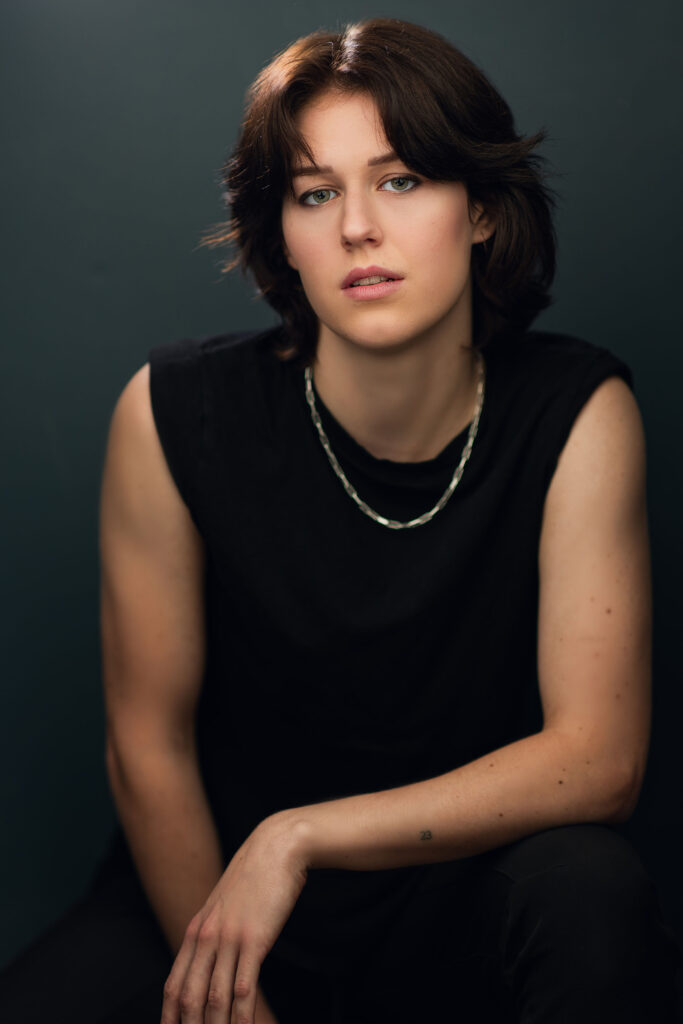
photo by Darnell Bennett Photography
Q: Our upcoming issue focuses on safe spaces. How do you personally define a safe space in the context of theatre, both on stage and off?
A safe space to me is a space where everyone can communicate freely and honestly and be met with openness, generosity, empathy, and care. In a rehearsal room, that means being able to give and receive feedback in a positive way. As an audience member, or even personally, a safe space feels like home. It is somewhere you can live authentically and not just be accepted, but celebrated. There is a big difference between tolerance and true encouragement. A safe space uplifts you and honors who you are fully.
Q: In rehearsals and performances of SIX, how has the creative team built an environment where the cast and crew feel supported and safe?
I have never loved a creative team more in my professional career than the team behind SIX. From the moment I walked into the audition room, I felt respected. The team was diverse, queer, LGBTQIA+ inclusive, and female-led. It was the first time I had ever auditioned with a non-binary pianist in the room. SIX has always prioritized diverse casting, and that alone creates a safe environment for people of all backgrounds, identities, cultures, religions, and beliefs.
During rehearsals, the team was very aware of power dynamics and consistently asked for our feedback. They checked in on how our bodies and voices were feeling and adjusted schedules when needed. Injuries and fatigue were taken seriously. That level of care is rare. The crew is also deeply supported. Load-ins and schedules are structured to prioritize health and safety. It is no surprise that many crew members stay with this production for years. That says everything.
Q: You are an alternate for multiple Queens. How does embodying these roles allow you to explore or express your own sense of identity and safety?
With Aragon, I feel empowered. She is strong, outspoken, and given space to be heard. Women’s voices are often silenced in the world, and through her, I feel safe using my voice fully.
With Boleyn, she reminds me of who I wanted to be when I was 14. Her punk-rock energy and unfiltered honesty feel nostalgic. Playing her feels like giving a voice to my inner child. There is a moment in “Don’t Lose Your Head” where we fully let go, and the note is always “cathartic release.” That moment allows all the tension to leave my body.
With Cleves, I feel the most like myself. She is the most masculine and the most queer of my roles. Cleves is less restrictive, which allows the actor to bring themselves into the character. For me, that means a lower voice, more grounded movement, and more freedom. She feels the most authentic to who I am.
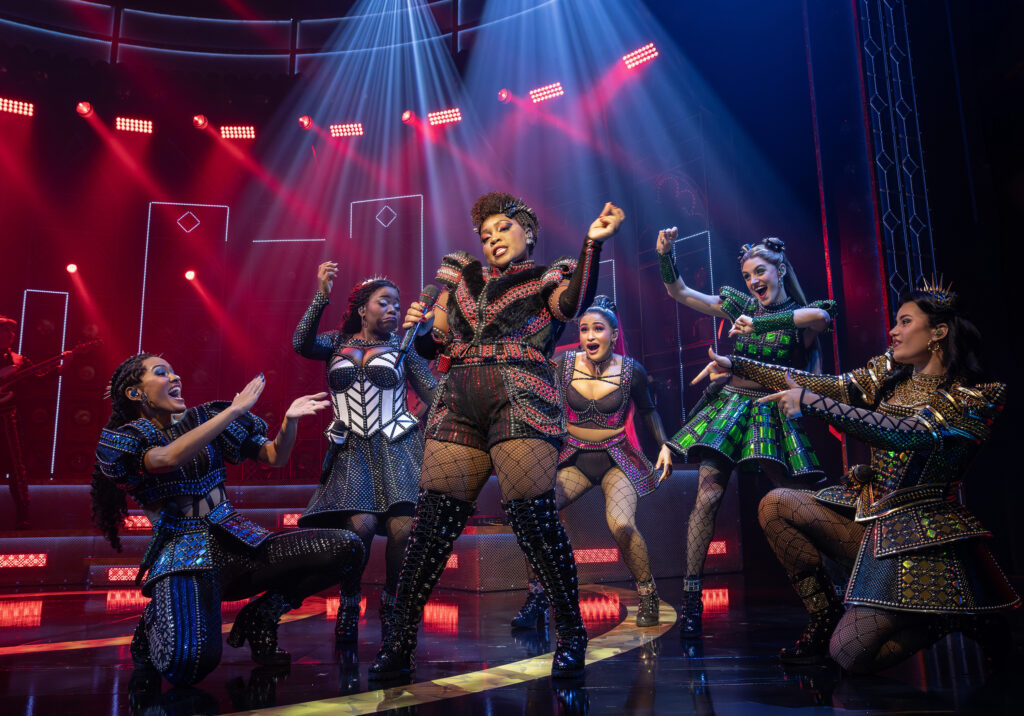
photo by Joan Marcus
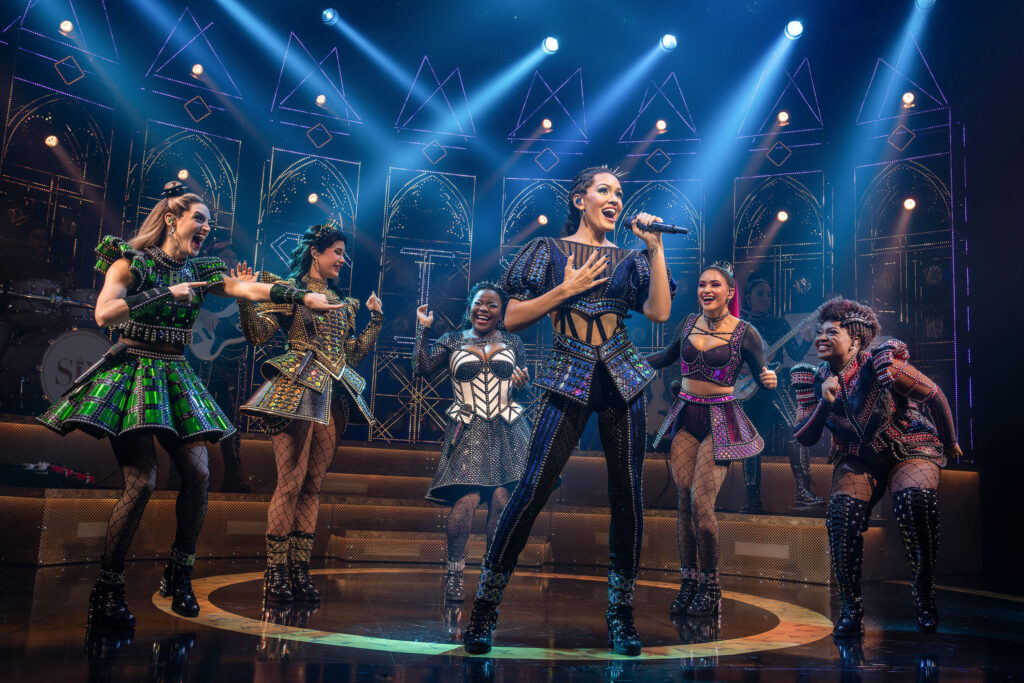
photo by Joan Marcus
Q: What practices help you navigate emotionally charged moments in the show while maintaining your well-being?
That same cathartic release in “Don’t Lose Your Head” is essential for my well-being. It is a moment where perfection does not matter. It is just energy and release.
Another important moment is what we call purgatory, the silent section of the show. It is when the Queens collectively realize they are more than ex-wives defined by a man. We end the show not centered around Henry, but centered around ourselves. That silence allows me to breathe, regulate my nervous system, and remember why we tell this story. It is for everyone who has ever felt their story was written by someone else.
Q: Do you feel SIX creates a safe space for audiences who may be seeing themselves represented for the first time?
Absolutely. SIX being female-led and upbeat automatically creates a safe space for women. At stage door, we see so many women and queer youth. That has never happened to me with other productions.
The show does not care if you are tall, queer, masculine, or non-binary. Those things are not obstacles here. Society often tells women that our worth depends on men. SIX kicks that belief down and says you are safe here. You will see yourself represented. We have women on stage who are Black, Asian, Latina. It reminds me of Hamilton in that way. Representation like this should be the norm, not the exception.
Q: Can you share a moment when you felt especially seen or supported during this production?
As a survivor of sexual assault and domestic violence, Katherine Howard’s story has always been important to me. The way her story is told in SIX is empowering. It does not retraumatize the audience. She has already survived her trauma, and the story focuses on her strength, not her pain. Consent is central in how the scene is staged, and the creative team handled it with great care.
Another moment was meeting a non-binary student at stage door who said they had never seen someone like themselves come through their town before. I did not know I was non-binary at their age. Being on tour and visiting smaller towns, red states, and southern communities makes this work even more meaningful. Representation matters, especially where it is scarce.
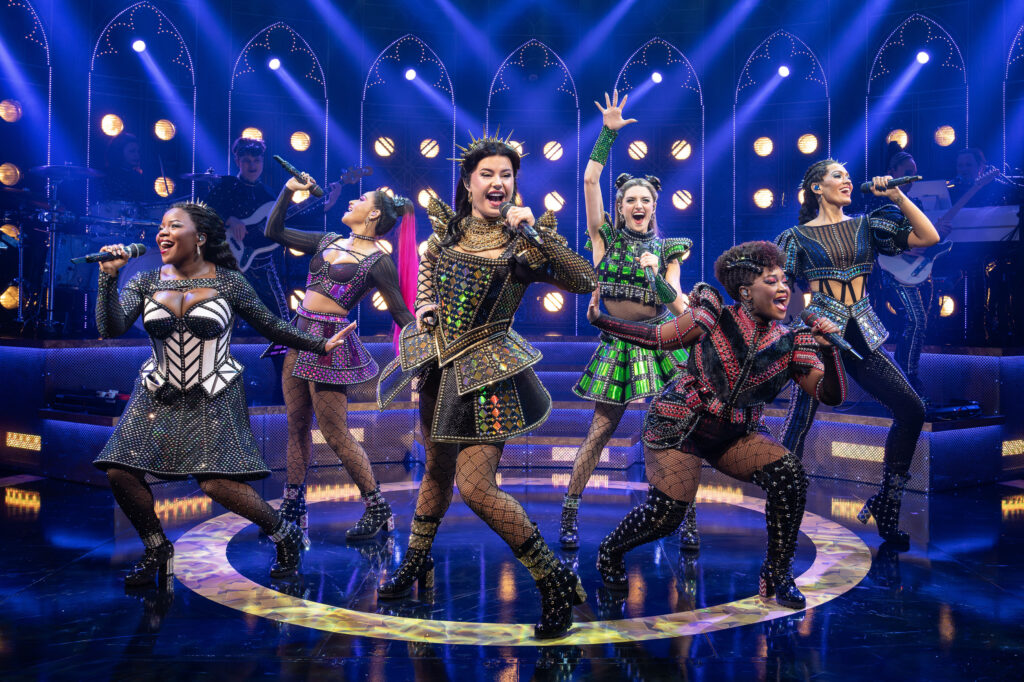
photo by Joan Marcus
Q: What advice would you give to young performers, especially LGBTQIA+ or gender-diverse youth?
First, the theatre community can be a very loving and safe industry for queer and trans people. You will find chosen family here.
Second, never settle. Do not settle for unsafe environments, hostile workplaces, or stories that do not honor you. You deserve better.
There is no single path into this industry. You do not have to follow a specific formula. Do what makes you happy. That might be tap dancing, costuming, stage management, science, or something else entirely. Let what you love set you apart.
Also, do not let money stop you. There are scholarships, grants, donors, and alternative paths. Many artists work regional contracts, bartend, or build careers in ways that work for them. Ask for help. There are people who want to support you.
Q: Is there anything else you would like to add?
Just that you are going to be okay. The starving artist stereotype is not the whole story. There are many ways to survive and thrive in this industry if it is truly what you love.
Reese Cameron, they/them, is an alternate with the touring production of SIX. Their credits include Funny Girl (tour), Wonderful Town (New York City Center), and Diary of a Tap Dancer (A.R.T.). “What a dream,” Reese says. “To the non-binary queer kid in the audience, you belong here.”
Follow Reese on Instagram at @reese.cameron23.
SIX returns to the Orpheum Theatre in Memphis April 21–26.
This marks the show’s second visit to the Orpheum after its 2023 run. From Tudor Queens to pop icons, the wives of Henry VIII remix 500 years of history into a high-energy celebration of empowerment and identity. SIX won the Tony Award for Best Original Score and has become a global sensation.
Tickets and showtimes are available through the Orpheum Theatre box office and website.

