


As immigration enforcement raises questions about public safety and due process, Memphis organizations are providing legal assistance, healthcare, advocacy and support for LGBTQ+ and immigrant neighbors.
by Ray Rico | Focus LGBT Magazine

What does it mean to feel safe in Memphis?
For some residents, safety means fewer violent crimes, safer streets and knowing that law enforcement will respond when they need help.
For others, it also means being able to drive to work without fear, seek medical care without discrimination, speak their language in public or ask for help without worrying about immigration enforcement.
These concerns are not mutually exclusive. A community can expect protection from violence while also demanding that government respect civil rights and due process.
As the Memphis Safe Task Force continues its operations, the conversation about public safety has become increasingly important for immigrant families, LGBTQ+ residents and the organizations serving them.
But beyond the headlines, another question deserves attention:
Who is helping Memphis residents navigate uncertainty, protect their rights and find the services they need?
The answer includes a network of nonprofit organizations, legal advocates, healthcare providers, neighborhood volunteers and community leaders working across the Mid-South.
| Organization | Primary resource | Contact |
|---|---|---|
| Latino Memphis | Immigration services, family support, health and education | Website · 901-366-5882 |
| Advocates for Immigrant Rights | Immigration legal advice, detention and removal defense | Website · 901-729-9560 |
| Vecindarios 901 | Community observation and rapid-response reporting | Website · 901-329-7979 |
| MICAH | Bilingual rights education and emergency planning | Resources |
| ACLU of Tennessee | Civil liberties education and advocacy | Website |
| OUTMemphis | LGBTQ+ services, care navigation and support | Services · 901-278-6422 |
| My Sistah’s House | Transgender housing and community support | Website |
| WeCareTN | Transgender community advocacy and support | Website |
| Friends For All | HIV prevention, care and supportive services | Website |
Memphis Safe Task Force: What the Immigration Arrest Data Shows
Established in September 2025, the Memphis Safe Task Force brings together federal, state and local law enforcement agencies with the stated goal of reducing violent crime, apprehending fugitives and removing illegal firearms from the streets.
The U.S. Marshals Service has reported reductions in several major crime categories and thousands of arrests since the initiative began.
However, independent reporting has raised questions about the immigration enforcement component of the operation.
An October 2026 investigation by the University of Memphis’ Institute for Public Service Reporting examined federal data on 1,575 ICE arrests in Memphis between September 29, 2025, and August 5, 2026.
The investigation found that:
- 59%, or 922 people, had neither criminal convictions nor pending criminal charges.
- 16%, or 249 people, had prior criminal convictions.
- 26%, or 404 people, had pending criminal charges.
- 0.6%, or 10 people, had convictions for violent felonies in the categories examined.
The figures describe ICE arrests in Memphis during the period, not necessarily arrests formally attributed to the task force.
Federal officials have distinguished ICE’s independent enforcement activity from arrests made directly through the task force. The U.S. Marshals Service has also said it had not reviewed the dataset underlying the investigation.
The distinction matters. Immigration enforcement and criminal prosecution are different legal processes, and a person may face immigration proceedings without having been convicted of a crime.
Still, the findings raise questions about how public safety priorities are defined, how enforcement resources are used and what happens to families when someone is detained.
Read the Institute for Public Service Reporting’s investigation and the U.S. Marshals Service’s account of the task force’s first year.
Civil Liberties and Due Process: What Safety Means Beyond Crime Statistics
The American Civil Liberties Union of Tennessee and local immigrant advocates have raised concerns about immigration enforcement practices, detention, identification checks and the protection of constitutional rights.
In September, ACLU-TN publicly criticized reported detention practices connected to the task force, including operations at Memphis nightlife establishments.
Those concerns point to a fundamental question: How can Memphis measure public safety while also ensuring that government actions comply with the law?
Due process is not a privilege reserved for people with a particular immigration status. Constitutional protections apply to people within the United States, although the procedures and legal rights available can vary depending on the circumstances.
People facing immigration detention may need legal representation, accurate information about their cases and assistance communicating with family members.
For residents who are uncertain about their rights, reliable legal guidance can make a critical difference.
The ACLU of Tennessee’s immigrant rights resources provide information about interactions with law enforcement.
LGBTQ+ and Latino Solidarity: Why These Communities’ Concerns Intersect
LGBTQ+ and Latino communities are not separate populations. Many Memphians are both.
LGBTQ+ immigrants may navigate multiple barriers simultaneously, including language access, immigration status, discrimination, healthcare needs and concerns about disclosing their identities.
For transgender immigrants, access to affirming healthcare, identity documents, legal representation and safe housing can present additional challenges.
But solidarity does not require everyone to share the same experience.
It can mean supporting a neighbor’s access to legal counsel, making community resources available in Spanish, offering an affirming environment for someone seeking healthcare or ensuring that an immigrant family knows where to find assistance.
It also means recognizing that Latino communities are diverse. They include U.S. citizens, permanent residents, immigrants with different legal statuses, people of many racial backgrounds, and LGBTQ+ individuals and families.
Effective community support begins by listening to the people directly affected.
“Earlier this year, I felt the need to carry my ID, passport and birth certificate every time I left home,” said a Mexican American Memphis resident who requested anonymity. “I was afraid of being stopped and having my citizenship questioned, even though I was born in the United States.”
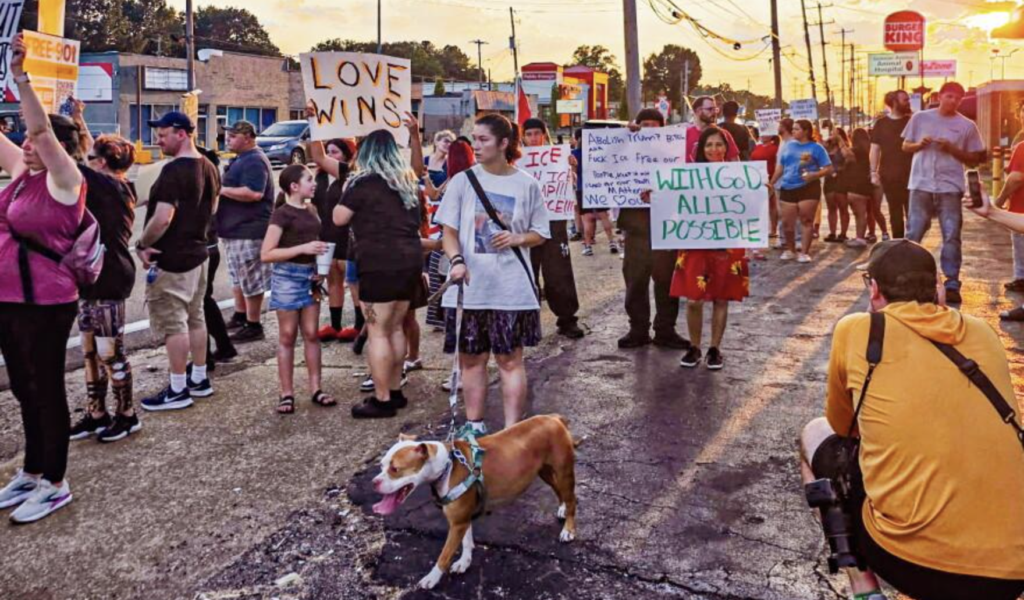
Memphis Immigrant Resources: Legal Help, Rights Education and Family Support
Several Memphis organizations offer services that can help residents understand their rights, prepare for emergencies and navigate immigration-related concerns.
Latino Memphis: Immigration Services and Community Support
Latino Memphis connects Latino residents across the Mid-South with services involving healthcare, education, immigration, employment and community advocacy.
Its Derechos program provides immigration-related legal services, while El Centro connects individuals and families with information and referrals.
Other programs address community health, workforce readiness, family reunification and civic engagement.
Contact: latinomemphis.org | 901-366-5882
Advocates for Immigrant Rights: Immigration Legal Representation
Advocates for Immigrant Rights (AIR) provides immigration legal representation and advocacy, including assistance with detention and removal proceedings.
AIR works with individuals facing immigration court proceedings and people detained in immigration facilities.
Its website explains consultation options, fees and financial assistance.
Contact: airlegal.org | 901-729-9560
For families of detained individuals: 901-206-4440
Vecindarios 901: Community Rapid Response
Vecindarios 901 is a grassroots Memphis network that documents and verifies reports of immigration enforcement activity.
Its volunteers provide community information and coordinate non-interventionist observation efforts.
The network operates a 24-hour hotline for reporting suspected immigration enforcement activity.
Rapid response hotline: 901-329-7979
The hotline is for community reporting and verification, not emergency medical or police response.
MICAH: Know Your Rights and Community Organizing
Memphis Interfaith Coalition for Action and Hope (MICAH) offers an immigrant resource page with information in English and Spanish.
Its materials cover constitutional rights, family emergency planning, identifying judicial warrants, legal resources and community participation.
MICAH also shares information about the Vecindarios 901 hotline and opportunities for volunteers.
ACLU of Tennessee: Civil Liberties and Legal Education
The ACLU of Tennessee monitors civil liberties issues and provides educational materials concerning immigration enforcement, law enforcement interactions and constitutional protections.
Its public resources can help residents understand general legal principles and identify questions to discuss with a qualified attorney.
The organization is also an important source for understanding how enforcement policies may affect civil liberties across Tennessee.
LGBTQ+-Affirming Organizations Helping Memphis Residents
Immigration assistance is one part of community safety. LGBTQ+ residents may also need affirming healthcare, housing support, crisis resources and places where they can find community.
OUTMemphis: LGBTQ+ Community Services and Support
OUTMemphis provides community programs, care navigation, support groups, referrals and HIV-related services.
Its offerings include resources for transgender and gender-diverse residents, LGBTQ+ youth, people living with HIV and others navigating barriers to care.
OUTMemphis also maintains safety resources and connections to affirming providers.
Contact: outmemphis.org | 901-278-6422
My Sistah’s House: Transgender Housing and Community Support
My Sistah’s House supports transgender and gender-diverse people, particularly transgender people of color, through housing-focused and community assistance efforts.
Stable housing and access to affirming support can be essential for people navigating discrimination, economic instability or other challenges.
WeCareTN: Transgender Advocacy and Community Connection
WeCareTN works to support transgender and gender-diverse Tennesseans through community advocacy, education and support.
Organizations such as WeCareTN can help connect residents with community-led information and opportunities to participate in local efforts.
Friends For All: HIV Services and Supportive Care
Friends For All serves people affected by HIV and works to improve access to healthcare, prevention and supportive services.
For LGBTQ+ residents and immigrant families alike, access to confidential, culturally responsive healthcare is an important part of community well-being.
Know Your Rights in Memphis: Where to Start
Knowing your rights can help you make informed decisions when interacting with law enforcement or immigration authorities.
The details of any encounter matter, and general information should not replace advice from a qualified attorney.
A few important principles include:
You can ask whether you are free to leave. If you are not being detained, you may be able to end the interaction. Do not physically resist or obstruct an officer.
You can ask to speak with an attorney. The availability of government-appointed counsel differs between criminal and immigration proceedings. Immigration courts generally do not provide government-funded attorneys.
You may have the right to remain silent. Requirements concerning identification and responses to questions depend on the circumstances and applicable law. Do not provide false documents or false information.
Your home has important legal protections. An administrative immigration warrant is not the same as a judicial warrant authorizing entry into a home. Specific exceptions and circumstances can affect what officers may lawfully do.
Prepare a family emergency plan. Identify trusted contacts, organize important documents and consider legal arrangements for children or dependents if a caregiver is detained.
For detailed guidance, consult the ACLU’s immigrant rights information and MICAH’s bilingual resources.
How Can Memphis Residents Help Keep Their Communities Safe?
Community safety requires more than responding to emergencies. It also involves the everyday work of supporting neighbors and making essential services accessible.
Here are practical ways to participate.
Share verified information. Use established organizations and reliable news sources rather than circulating unconfirmed rumors about immigration activity.
Support local legal services. Donate to or volunteer with organizations providing immigration representation and community education.
Connect people with affirming care. Share LGBTQ+-inclusive healthcare, housing and support resources with people who need them.
Attend public meetings. Follow the Memphis City Council and Shelby County Commission to understand decisions involving law enforcement, public spending and community services.
Ask for transparency. Residents can request information about enforcement policies, agency partnerships, budgets and oversight procedures.
Listen to affected communities. Support opportunities for immigrant and LGBTQ+ residents to share their experiences safely, without pressuring anyone to disclose personal information or immigration status.
Support neighborhood organizations. Community-based groups often provide practical assistance that is not reflected in traditional crime statistics.
Who Keeps Memphis Safe? The Answer Is Bigger Than One Agency
Public safety is a responsibility shared across institutions and communities.
Law enforcement agencies have defined responsibilities to investigate crime and protect residents. Courts have a role in ensuring that legal procedures are followed. Elected officials oversee policies and public resources.
And community organizations help people find legal representation, healthcare, housing, education and support.
These responsibilities are different, but all deserve public scrutiny.
As Memphis continues debating the effects of expanded enforcement, the city also has an opportunity to examine how safety is experienced by people whose perspectives are sometimes missing from the conversation.
That includes LGBTQ+ residents, immigrant families, transgender people, people living with HIV and neighbors who may hesitate to seek assistance.
A safer Memphis should be measured not only by enforcement statistics, but also by whether people can access help, exercise their rights and participate in community life.
The question isn’t only who keeps Memphis safe. It’s whether the systems meant to protect the city are serving all the people who call it home.
Focus LGBT Magazine will continue reporting on civil liberties, immigration enforcement, LGBTQ+ services and the organizations supporting communities across the Mid-South.
This guide provides general information, not individualized legal advice. Services, eligibility, fees and availability may change. Contact organizations directly before visiting or relying on a particular program.

